Key Findings: Record Growth and Emerging Trends
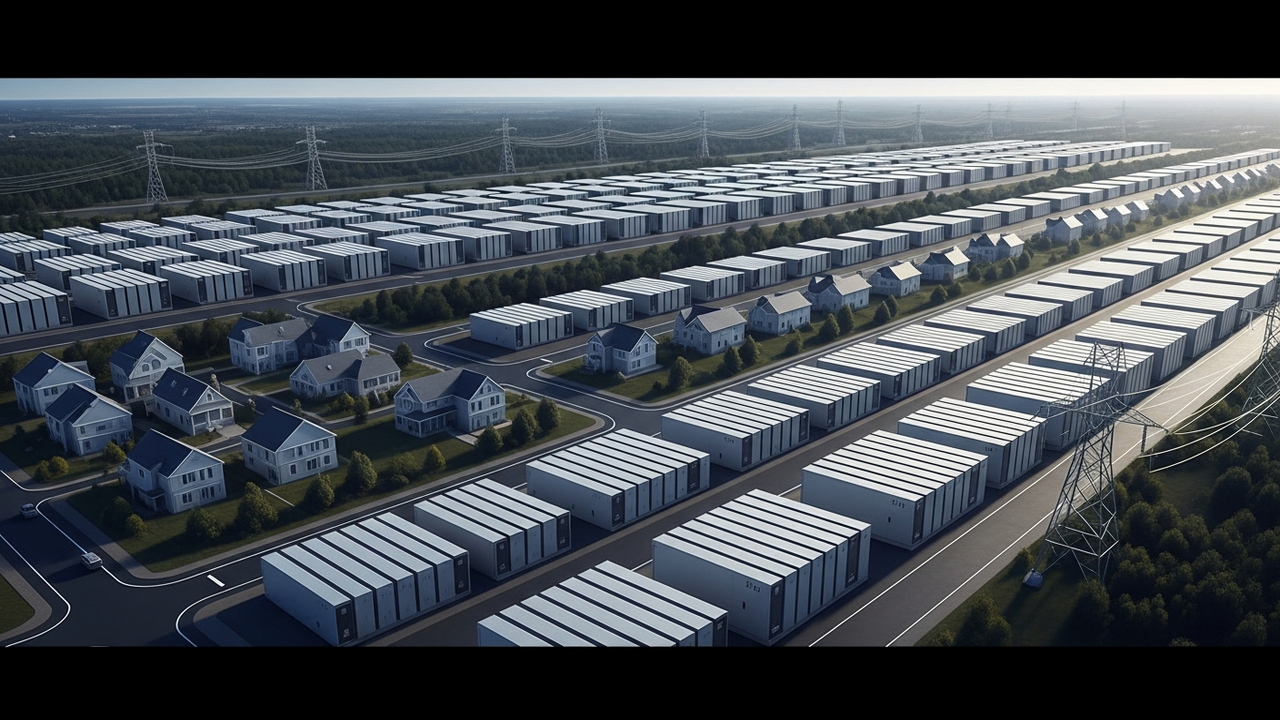
The first quarter of 2026 marked a period of robust expansion for battery energy storage systems (BESS) in the United States, with a substantial 3.3 GW, approximately 8.4 GWh, of new capacity integrated into the grid. This addition significantly bolsters grid flexibility and reliability nationwide. A notable highlight was the residential sector, which set a new quarterly record by deploying nearly 1.3 GWh of storage. This rapid acceleration follows an exceptional 2025, which saw 18.9 GW / 51 GWh of battery energy storage installed across the U.S., representing a 52% increase over 2024 figures. However, despite this impressive growth trajectory, reports, including those from the Wall Street Journal, caution against potential ‘hidden catches’ associated with the speed and scale of BESS deployment.
The surge in residential BESS installations is multifaceted, driven by increasing consumer demand for whole-home backup solutions during power outages, strategic opportunities for rate arbitrage (charging during off-peak, discharging during peak hours), and active participation in utility-led demand response and Virtual Power Plant (VPP) programs. As an illustrative example, companies like Base Power are aggressively deploying approximately 23,000 home batteries, contributing a substantial 550 MWh of distributed storage capacity. These systems not only offer direct benefits to homeowners but are also pivotal in integrating more clean energy and enhancing overall grid stability. The ‘hidden catches’ alluded to by the WSJ likely encompass challenges such as ensuring market sustainability once federal incentives expire, navigating complexities in installation and grid interconnection processes, and mitigating potential supply chain vulnerabilities related to critical materials procurement and end-of-life recycling.
Context, Challenges, and Outlook for U.S. Battery Storage
The U.S. energy landscape is grappling with significant challenges, including the imperative to integrate escalating volumes of intermittent renewable energy sources and the ongoing modernization of aging electricity infrastructure. The proliferation of artificial intelligence (AI) data centers, characterized by their dramatically increasing electricity demand, further accelerates the need for robust BESS deployment. Federal policies, notably the Inflation Reduction Act (IRA), have provided strong catalysts for both domestic BESS manufacturing and deployment. However, ongoing discussions persist regarding the long-term structure and longevity of these crucial incentives.
While the rapid growth of the BESS market represents a critical positive development for the clean energy transition, it simultaneously underscores the need for meticulous attention to technical integration, operational complexities, and the overarching sustainability of the supply chain. The U.S. BESS market is undoubtedly positioned for continued expansion, but achieving long-term sustainability will require concerted efforts from policymakers, industry stakeholders, and technology developers. The widespread adoption of residential BESS, in particular, will continue to deliver a dual benefit: tangible energy cost savings for consumers and invaluable contributions to national grid resilience.
Addressing the identified challenges—especially establishing durable long-term incentive frameworks and fortifying the entire supply chain—is paramount for the successful transformation of the U.S. power system. Ultimately, BESS is rapidly solidifying its role as an indispensable technology, accelerating the transition to a clean energy economy, enhancing critical grid resilience, and empowering consumers with advanced energy management capabilities.
Get our weekly technology intelligence — free
Receive an infographic that lets you judge at a glance whether each field’s analysis report is worth reading.
Subscribe Free — Weekly Tech Intelligence
By subscribing, you’ll receive Troy-Technical’s weekly technology intelligence newsletter.
- Your email and selected fields are used only to deliver the newsletter.
- We never share your information with third parties.
- You can unsubscribe anytime via the link in each email.
See our Privacy Policy for details.
Takes about a minute · Unsubscribe anytime