Key Findings
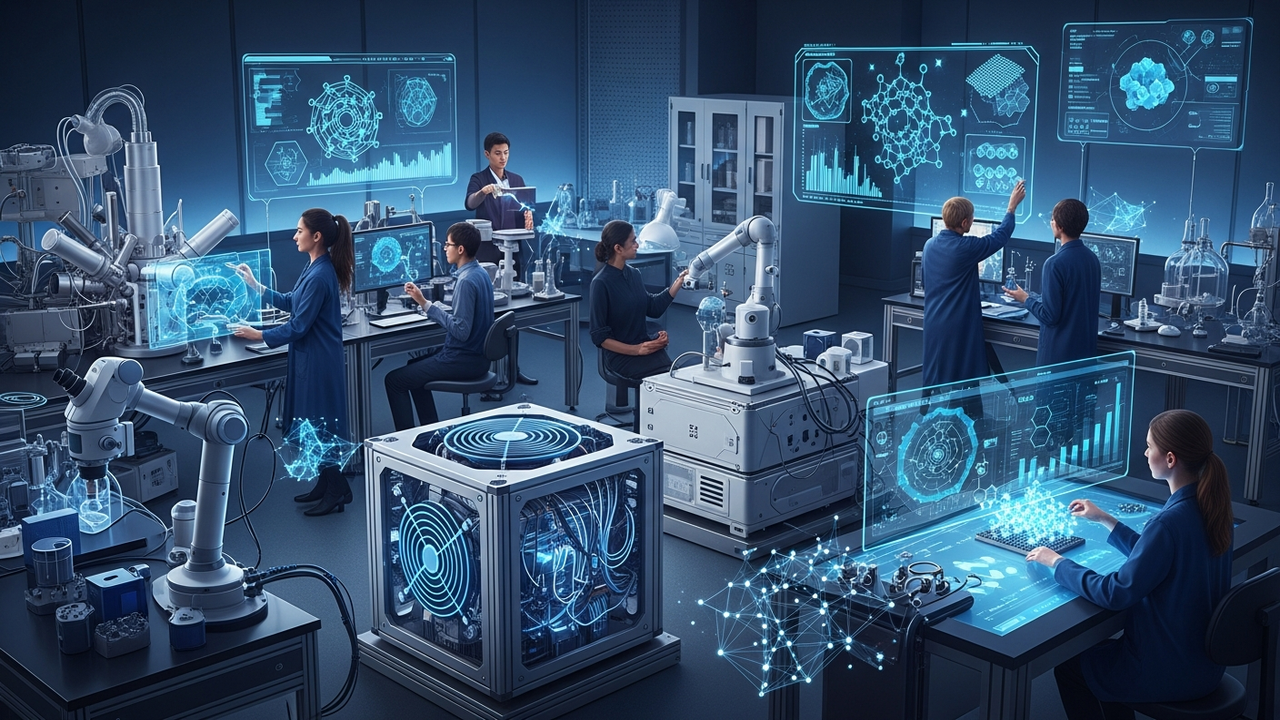
Rice University has secured a substantial $19.9 million grant from the National Science Foundation (NSF) to establish ‘READINESS,’ an AI-driven quantum materials laboratory. This innovative lab aims to dramatically accelerate the discovery and production of quantum and electronic materials by leveraging automated, remote, and cloud-based research platforms.
Technical / Clinical Details
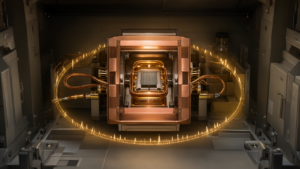
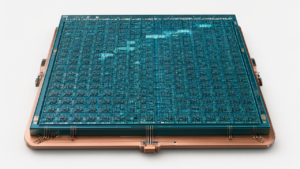
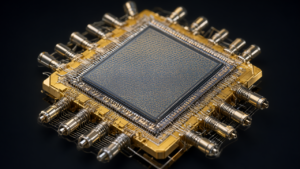
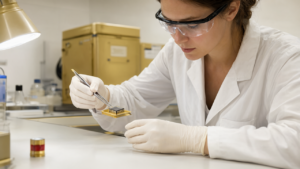
The ‘READINESS’ lab will integrate artificial intelligence (AI) and robotics to fundamentally transform the paradigm of materials science research. Specifically, AI will design candidate quantum materials, while robotic systems will synthesize and characterize these materials. Data will be analyzed in real-time in the cloud, providing feedback for new discoveries. This approach is expected to reduce the conventional materials development cycle, which typically takes several years, to just a few months. Research will primarily focus on materials essential for quantum devices (such as quantum computers and quantum sensors), aiming to develop high-temperature superconductors, topological materials, and low-dimensional materials. The lab will also collaborate with SUNY Polytechnic Institute and the University of Texas at Austin, establishing an interdisciplinary research network.
Background & Context
Quantum materials are at the foundation of innovative technologies across diverse fields, including energy, electronics, medicine, and defense, leading nations worldwide to focus intensely on their research and development. However, the discovery and optimization of new quantum materials have traditionally been highly time-consuming and costly processes due to their complexity. AI and automation are expected to be key in overcoming this challenge and accelerating the pace of discovery in materials science. This NSF grant aligns with the U.S. National Quantum Initiative and the CHIPS and Science Act, which aims to strengthen semiconductor research, marking a crucial effort to enhance U.S. leadership in materials science.
Strategic Significance & Outlook
The establishment of the AI-driven quantum materials lab ‘READINESS’ will be a significant driving force for the commercialization and societal implementation of quantum technology. The materials developed in this lab will be indispensable for the realization of next-generation high-performance quantum computers, energy-efficient devices, and high-precision sensors. Furthermore, automated research platforms will provide researchers with a more efficient experimental environment, accelerating new scientific discoveries. Through this initiative, Rice University and its collaborating institutions are expected to directly contribute to national priorities such as energy, scientific discovery, and national security, thereby fostering the growth of the overall U.S. quantum ecosystem and enhancing international competitiveness. This project concretely demonstrates the future possibilities brought by the fusion of AI and quantum science.
Source: https://innovationmap.com/rice-university-artificial-intelligence-quantum-materials-lab-nsf/
Get our weekly technology intelligence — free
Receive an infographic that lets you judge at a glance whether each field’s analysis report is worth reading.
Subscribe Free — Weekly Tech Intelligence
By subscribing, you’ll receive Troy-Technical’s weekly technology intelligence newsletter.
- Your email and selected fields are used only to deliver the newsletter.
- We never share your information with third parties.
- You can unsubscribe anytime via the link in each email.
See our Privacy Policy for details.
Takes about a minute · Unsubscribe anytime