Key Findings
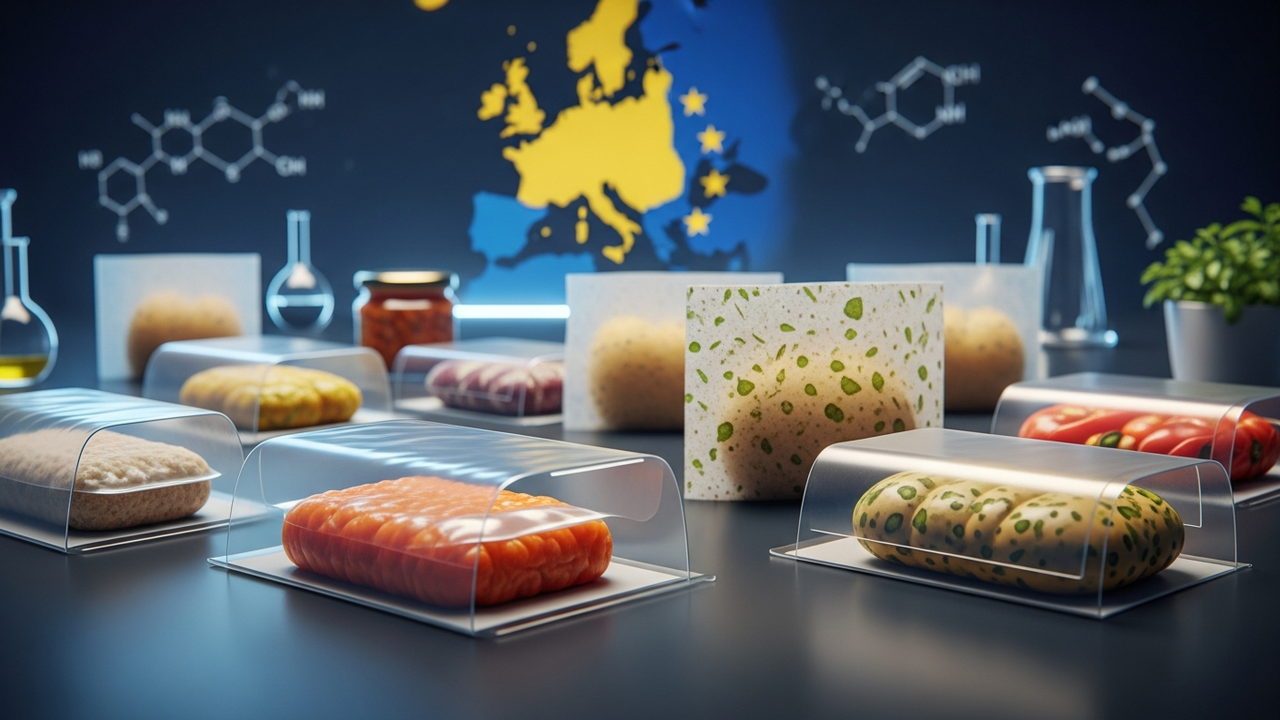
The tightening of PFAS (per- and polyfluoroalkyl substances) regulations across the European Union is significantly accelerating demand for alternative materials, including silicone-based coatings, wax systems, ceramic surfaces, and bio-based barrier technologies. A pivotal moment occurred in August 2026, when the European Commission confirmed restrictions on PFAS in food contact packaging, signaling a massive material transition for the packaging industry.
Technical / Clinical Details
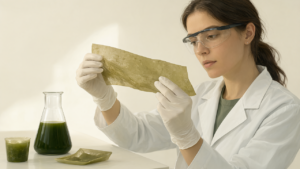
PFAS alternative technologies aim to replicate the functional properties of traditional PFAS—such as water and oil repellency, heat resistance, and chemical stability—with a reduced environmental footprint. Silicone-based coatings offer high heat resistance and flexibility, finding applications as release agents and protective films. Wax systems are increasingly adopted in paper and cardboard packaging to provide water and moisture barriers, particularly in food applications. Ceramic surface technologies, known for their durability and abrasion resistance, are promising for industrial uses and cookware. Bio-based barrier technologies, however, are gaining the most traction, with developments in biodegradable plastics like polylactic acid (PLA) and polyhydroxyalkanoates (PHA), as well as cellulose nanofiber and starch-based materials, for barrier functions in food packaging. These emerging technologies are beginning to match or even surpass PFAS performance in specific applications.
Background & Context
PFAS are known as ‘forever chemicals’ due to their extreme environmental persistence and non-degradability, raising significant concerns about their long-term impact on ecosystems and human health. In response, the European Chemicals Agency (ECHA) endorsed a broad PFAS restriction proposal in March 2026. Furthermore, starting in October of the same year, PFHxA (perfluorohexanoic acid) and its salts and related substances will face restrictions in certain consumer products. The specific limitations on PFAS in food contact materials are especially impactful for the packaging industry, necessitating a fundamental reassessment of materials across the entire supply chain.
Strategic Significance & Outlook
The regulatory trajectory in Europe is expected to define the global trend towards PFAS-free materials in the chemical and materials industries. Investment in alternative materials research and development will intensify, leading to the introduction of more high-performance, sustainable options. Bio-based materials and recyclable solutions are particularly favored by consumer demand and are poised to be significant growth drivers. Companies are increasingly required not only to comply with regulations but also to innovate through environmentally responsible product development, thereby unlocking new market opportunities and enhancing their competitive standing.
Source: https://www.datamintelligence.com/blogs/chemical-substitution-trends-pfas-alternatives
Get our weekly technology intelligence — free
Receive an infographic that lets you judge at a glance whether each field’s analysis report is worth reading.
Subscribe Free — Weekly Tech Intelligence
By subscribing, you’ll receive Troy-Technical’s weekly technology intelligence newsletter.
- Your email and selected fields are used only to deliver the newsletter.
- We never share your information with third parties.
- You can unsubscribe anytime via the link in each email.
See our Privacy Policy for details.
Takes about a minute · Unsubscribe anytime