Key Findings
The field of non-invasive optical glucose sensing has, despite decades of research and substantial investment, yet to yield an FDA-approved product. However, a significant study published in 2026 demonstrated a breakthrough: an in vivo Raman platform was successfully validated in oral glucose tolerance tests (OGTT), showing crucial progress towards real-world reliability in blood glucose monitoring. This achievement marks a substantial step forward for the commercialization of non-invasive technologies.
Technical/Clinical Details
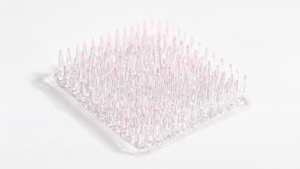
The Raman platform technology non-invasively measures glucose concentration in living tissues by illuminating the tissue with light of specific wavelengths and analyzing the scattered light’s spectrum. The 2026 study successfully demonstrated that this in vivo Raman spectroscopy could accurately track dynamic changes in blood glucose levels under the conditions of an OGTT, a standard method for diagnosing diabetes. This suggests the potential to achieve accuracy comparable to traditional invasive blood sampling methods, but non-invasively. In parallel, minimally invasive alternatives such as microneedle-based and sweat-based wearable electrochemical glucose sensors have significantly matured. These technologies, which measure glucose concentrations in interstitial fluid or sweat, are gaining market traction and some have already secured regulatory approvals, offering a balance of accuracy and convenience.
Background & Context
For individuals with diabetes, daily blood glucose monitoring is critical for disease management, but traditional finger-prick methods are often painful and burdensome. Consequently, the development of non-invasive glucose monitoring technologies has long been considered the ‘holy grail’ in the medical device industry. Optical spectroscopy approaches have shown promise, but significant challenges remained in overcoming measurement errors due to complex biological tissue optics and environmental factors. The successful validation of the in vivo Raman platform addresses some of these technical barriers, representing a vital milestone in enhancing the reliability of optical technologies. The rise of minimally invasive technologies has not hindered the pursuit of non-invasive commercialization but rather illustrates the evolving market needs and technological possibilities.
Strategic Significance & Outlook
The in vivo validation of the Raman platform provides renewed hope for the future of optical non-invasive glucose monitoring technology. This success is expected to spur further large-scale clinical trials and technological optimization aimed at achieving FDA approval. In the long term, the advent of smaller, more cost-effective optical devices could lead to truly non-invasive monitoring, eliminating the need for blood draws. This has the potential to fundamentally improve the quality of life for diabetes patients and transform the paradigm of diabetes care. Furthermore, through competition or complementarity with existing minimally invasive wearable sensors, the market anticipates a diverse range of solutions addressing various patient needs.
Get our weekly technology intelligence — free
Receive an infographic that lets you judge at a glance whether each field’s analysis report is worth reading.
Subscribe Free — Weekly Tech Intelligence
By subscribing, you’ll receive Troy-Technical’s weekly technology intelligence newsletter.
- Your email and selected fields are used only to deliver the newsletter.
- We never share your information with third parties.
- You can unsubscribe anytime via the link in each email.
See our Privacy Policy for details.
Takes about a minute · Unsubscribe anytime