Key Findings
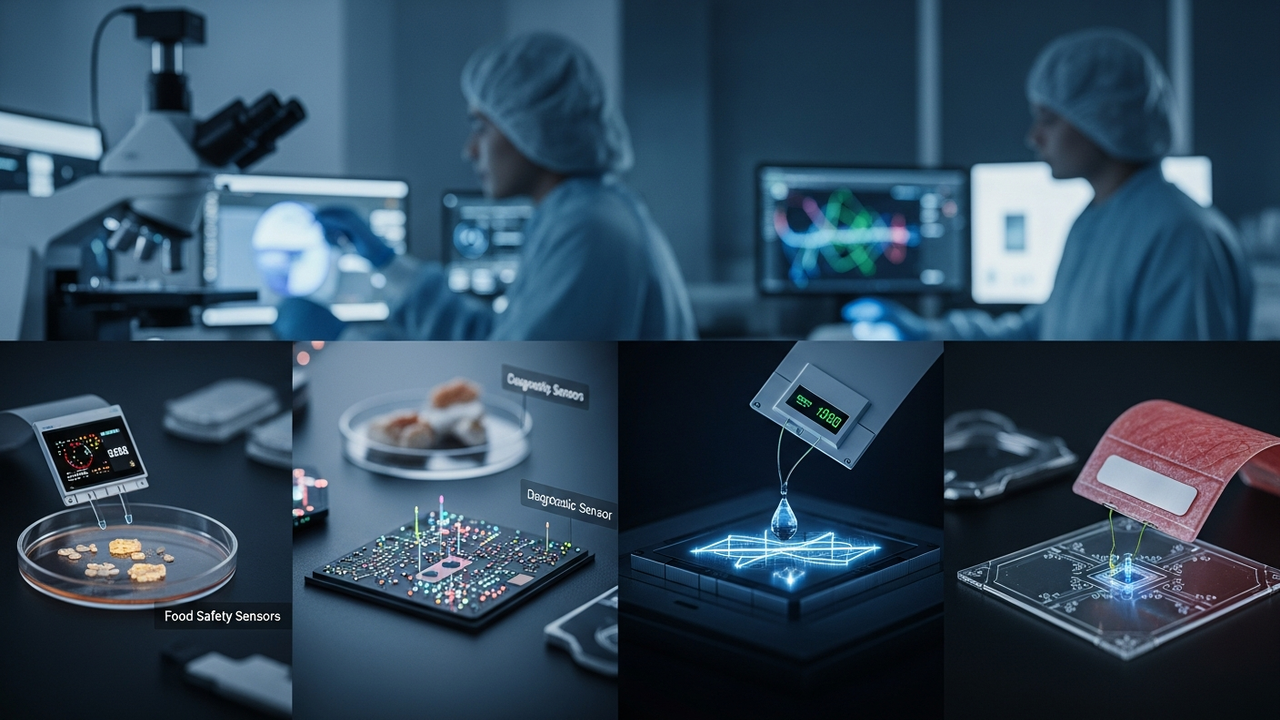
Leading U.S. research institutions have announced multiple breakthrough sensor technologies in the fields of diagnostics and monitoring. The University of Texas at Dallas (UT Dallas) has developed the WaveFlex sensor for food safety, the Massachusetts Institute of Technology (MIT) unveiled a low-cost CRISPR-based DNA sensor for cancer and HIV detection, and Tufts University showcased a tiny dental sensor for real-time nutritional intake monitoring. Each of these technologies represents significant progress in its respective application area, holding the potential to substantially improve the accessibility, cost-effectiveness, and real-time performance of diagnostic tools.
Technical/Clinical Details
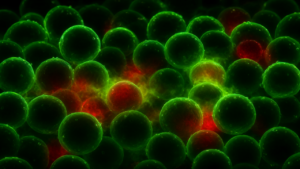
- UT Dallas’s WaveFlex Sensor: This sensor incorporates advanced nanomaterials such as CeO2-NRs, ZnO-NWs, and Cu3Se2@Au-NCs. It is designed for highly sensitive and rapid detection of specific pathogens like Shigella sonnei in food products. Early detection of food contamination is critical for preventing foodborne illnesses and protecting public health.
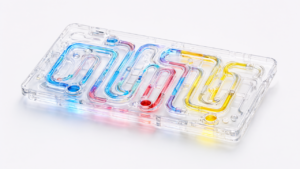
- MIT’s CRISPR-based DNA Sensor: Researchers at MIT have developed a disposable CRISPR-based DNA sensor that can be produced for as little as 50 cents. This sensor demonstrates the capability to accurately detect cancer-related biomarkers and HIV viral DNA from non-invasive samples like saliva and urine. Its low cost and simplicity could be transformative for point-of-care testing (POCT) in developing countries.
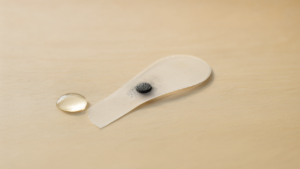
- Tufts University’s Dental Sensor: Developed by Tufts University researchers, this ultra-miniature 2mm x 2mm dental sensor is designed to be worn in the mouth. It continuously and in real-time monitors the user’s intake of salt, glucose, and alcohol. This wearable device is expected to become a groundbreaking tool for personalized health management, assisting with dietary control, blood glucose management for diabetic patients, and monitoring alcohol consumption.
Background & Context
The evolution of diagnostic technology is indispensable across all facets of healthcare, food safety, and environmental monitoring. Traditional detection methods often require expensive equipment, specialized expertise, and considerable time, posing significant barriers, particularly in resource-limited settings. Advancements in nanomaterials, the application of CRISPR technology in diagnostics, and the development of ultra-miniature wearable sensors represent crucial directions for addressing these challenges. These new sensor technologies collectively pursue the common goals of rapidity, low cost, and high sensitivity, contributing to the democratization of healthcare and the enhancement of preventive medicine.
Strategic Significance & Outlook
These innovative sensors are poised to make a substantial impact in their respective fields. The UT Dallas food safety sensor will enhance food supply chain security and help prevent large-scale contamination events. MIT’s CRISPR sensor is expected to enable low-cost, widespread disease screening, particularly increasing early diagnosis rates in regions with limited access. Tufts University’s dental sensor can provide real-time feedback on personal dietary and health behaviors, fostering greater individual health awareness and promoting healthier choices. Further development and commercialization of these technologies will be integral to building a smarter, more connected, and preventive future healthcare system.
Get our weekly technology intelligence — free
Receive an infographic that lets you judge at a glance whether each field’s analysis report is worth reading.
Subscribe Free — Weekly Tech Intelligence
By subscribing, you’ll receive Troy-Technical’s weekly technology intelligence newsletter.
- Your email and selected fields are used only to deliver the newsletter.
- We never share your information with third parties.
- You can unsubscribe anytime via the link in each email.
See our Privacy Policy for details.
Takes about a minute · Unsubscribe anytime