Key Findings
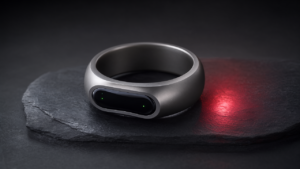
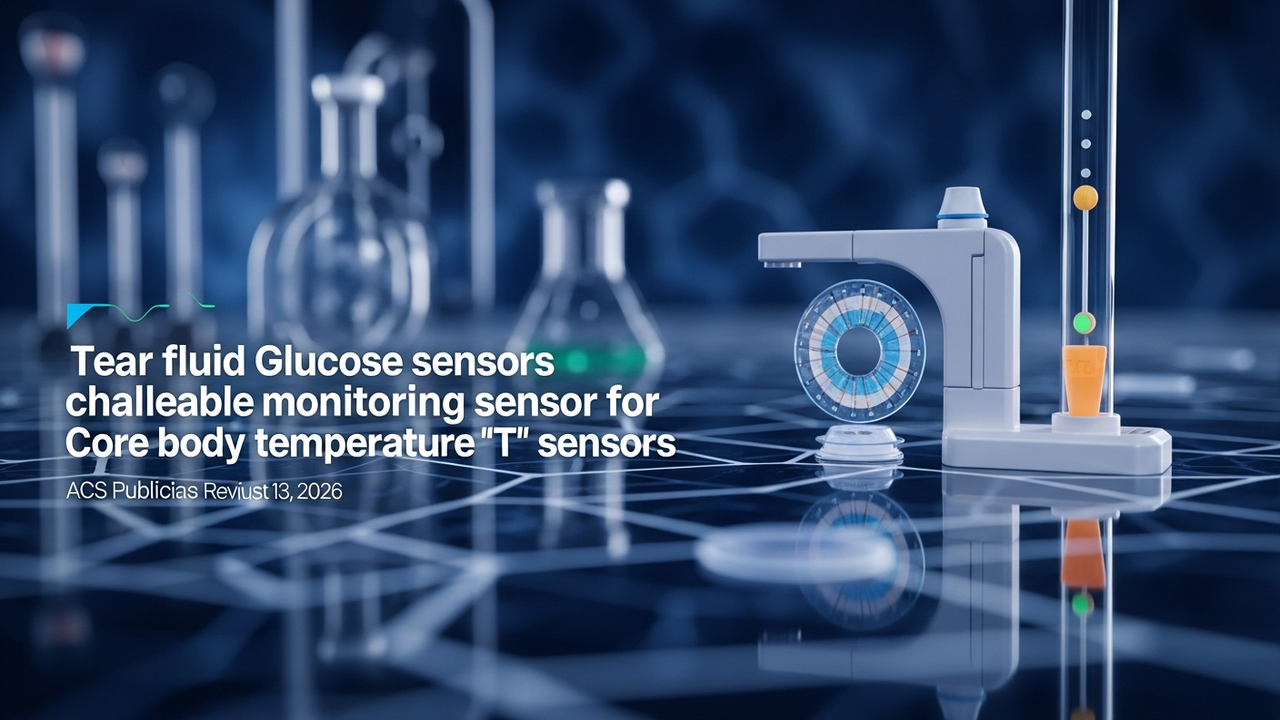
This review article offers a comprehensive analysis of the latest advancements in wearable sensor technology for health monitoring and the accompanying challenges. Of particular note are the developments in wireless soft smart contact lenses designed for non-invasive detection of glucose in tear fluid, and wearable T-sensors applied to the forearm for continuous core body temperature monitoring. These innovative sensors harbor significant potential for personalized ocular health management and continuous, non-invasive surveillance of various physiological parameters, poised to transform traditional medical approaches.
Technical/Clinical Details
The wireless soft smart contact lens integrates microscopic biosensors capable of real-time glucose measurement in tear fluid. Given the correlation between tear glucose and blood glucose levels, this technology presents a potentially pain-free alternative for continuous glucose monitoring in diabetic patients. This innovation is a testament to the advanced fusion of microelectronics and materials science, successfully integrating sensors, data processing units, and wireless communication modules while maintaining the thin, flexible form factor of a contact lens. Meanwhile, wearable T-sensors, when worn on the forearm, provide continuous and highly accurate measurements of core body temperature. This has broad applications, including optimizing sports performance, early detection of fever, and monitoring sleep quality. Compared to traditional thermometers, this T-sensor offers non-invasive yet reliable physiological data that closely approximates deep body temperature.
Background & Context
The wearable sensor market is experiencing rapid growth, driven by increasing interest in personalized medicine, preventive care, and digital health. Patients are actively seeking non-invasive and convenient tools to manage their health more proactively. Blood glucose monitoring, in particular, remains a burden for many diabetic patients due to its invasive nature, fueling high demand for non-invasive solutions. Furthermore, temperature monitoring is gaining importance in early detection of infections, prevention of heatstroke, and sports physiology. These new sensor technologies are realized through the convergence of bioelectronics, nanotechnology, materials science, and wireless communication, pushing the boundaries of current medical devices. However, challenges related to data accuracy, reliability, long-term biocompatibility, and regulatory approval persist.
Strategic Significance & Outlook
Wearable sensor technology is poised to play a crucial role in shaping the future of medicine. If tear glucose contact lenses become a gold standard for diabetes management, the quality of life for millions of patients could dramatically improve. Similarly, wearable T-sensors could serve as early warning systems for fever and temperature anomalies, contributing to public health. The continuous data collected from these sensors, when integrated with AI-driven algorithms, will form the foundation for predicting individual health risks and recommending personalized preventive interventions. In the future, these devices are envisioned to interconnect and integrate with other biometric sensors, potentially building a ‘digital twin’ that comprehensively monitors a user’s health status.
Get our weekly technology intelligence — free
Receive an infographic that lets you judge at a glance whether each field’s analysis report is worth reading.
Subscribe Free — Weekly Tech Intelligence
By subscribing, you’ll receive Troy-Technical’s weekly technology intelligence newsletter.
- Your email and selected fields are used only to deliver the newsletter.
- We never share your information with third parties.
- You can unsubscribe anytime via the link in each email.
See our Privacy Policy for details.
Takes about a minute · Unsubscribe anytime