Key Findings
The HerHealth2026 conference underscored the increasingly central role of Antibody-Drug Conjugates (ADCs) in the treatment of breast and gynecological cancers. Discussions at the conference validated ADCs as a particularly promising strategy against treatment-resistant cancers, signaling a shift towards new therapeutic paradigms.
Technical and Clinical Insights
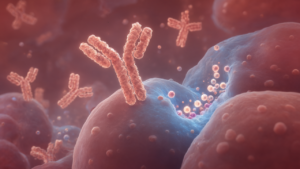
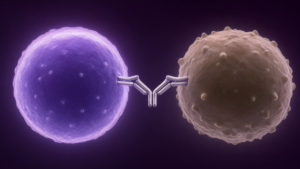
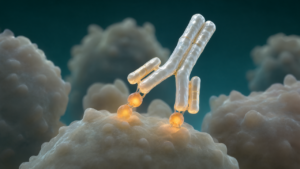
ADCs are sophisticated drugs engineered by linking a potent cytotoxic drug (payload) to a monoclonal antibody via a linker. The antibody is designed to recognize specific antigens on the surface of cancer cells. This design ensures selective binding of the antibody to cancer cells, followed by internalization and subsequent release of the payload within the cell, thereby specifically destroying cancer cells. This mechanism is expected to deliver high anti-tumor efficacy while significantly reducing systemic toxicity. The conference highlighted clinically successful ADCs such as trastuzumab deruxtecan (T-DXd; Enhertu), used for HER2-positive breast cancer and certain gastric cancers, and sacituzumab govitecan (Trodelvy), employed in triple-negative breast cancer and urothelial carcinoma. These agents have demonstrated significant clinical benefits, including improved objective response rates and extended survival, in patients with advanced breast and gynecological cancers resistant to conventional therapies.
Background and Industry Context
Breast and gynecological cancers represent major global health challenges for women, particularly in advanced or metastatic stages where treatment options have historically been limited. While recent advancements in targeted therapies have expanded the possibilities for personalized medicine, many patients still face therapeutic resistance. ADCs, with their unique mechanism of targeted drug delivery to cancer cells, are rapidly gaining prominence as a solution for these unmet medical needs. The evolution of ADC technology is driven by extensive research and development focusing on aspects such as linker stability, payload selection, and optimization of the drug-to-antibody ratio (DAR). This continuous innovation has led to the emergence of diverse ADCs applicable across a range of cancer types. The prominence of ADCs as a central topic at major medical conferences like HerHealth2026 underscores the medical community’s high expectations for their clinical value and future potential.
Future Outlook
ADCs hold the potential to significantly transform the landscape of breast and gynecological cancer treatment. Moving forward, continued clinical trials will evaluate new ADC candidates, while also establishing optimal usage guidelines and combination strategies with other therapies for existing ADCs. Furthermore, the identification of novel target antigens, further refinement of linker technologies, and design optimization leveraging advanced technologies such as AI will accelerate the development of safer and more effective next-generation ADCs. This trajectory promises a future where patients with difficult-to-treat breast and gynecological cancers will benefit from more personalized and effective therapeutic options.
Get our weekly technology intelligence — free
Receive an infographic that lets you judge at a glance whether each field’s analysis report is worth reading.
Subscribe Free — Weekly Tech Intelligence
By subscribing, you’ll receive Troy-Technical’s weekly technology intelligence newsletter.
- Your email and selected fields are used only to deliver the newsletter.
- We never share your information with third parties.
- You can unsubscribe anytime via the link in each email.
See our Privacy Policy for details.
Takes about a minute · Unsubscribe anytime