Background on Primary Sclerosing Cholangitis
Primary Sclerosing Cholangitis (PSC) is a progressive, rare liver disease characterized by chronic inflammation and scarring of the bile ducts, both intrahepatic and extrahepatic. This scarring obstructs bile flow, leading to severe complications and frequently necessitating liver transplantation. A particularly debilitating symptom for PSC patients is cholestatic pruritus (intense itching), which significantly impairs quality of life and often proves refractory to current treatments, highlighting a substantial unmet medical need. The FDA’s Breakthrough Therapy Designation (BTD) accelerates the review of therapies for serious conditions that show a significant clinical improvement over existing options, based on preliminary evidence. Concurrently, Orphan Drug Designation (ODD) incentivizes the development of treatments for rare diseases.
Breakthrough Designations and Key Trial Findings
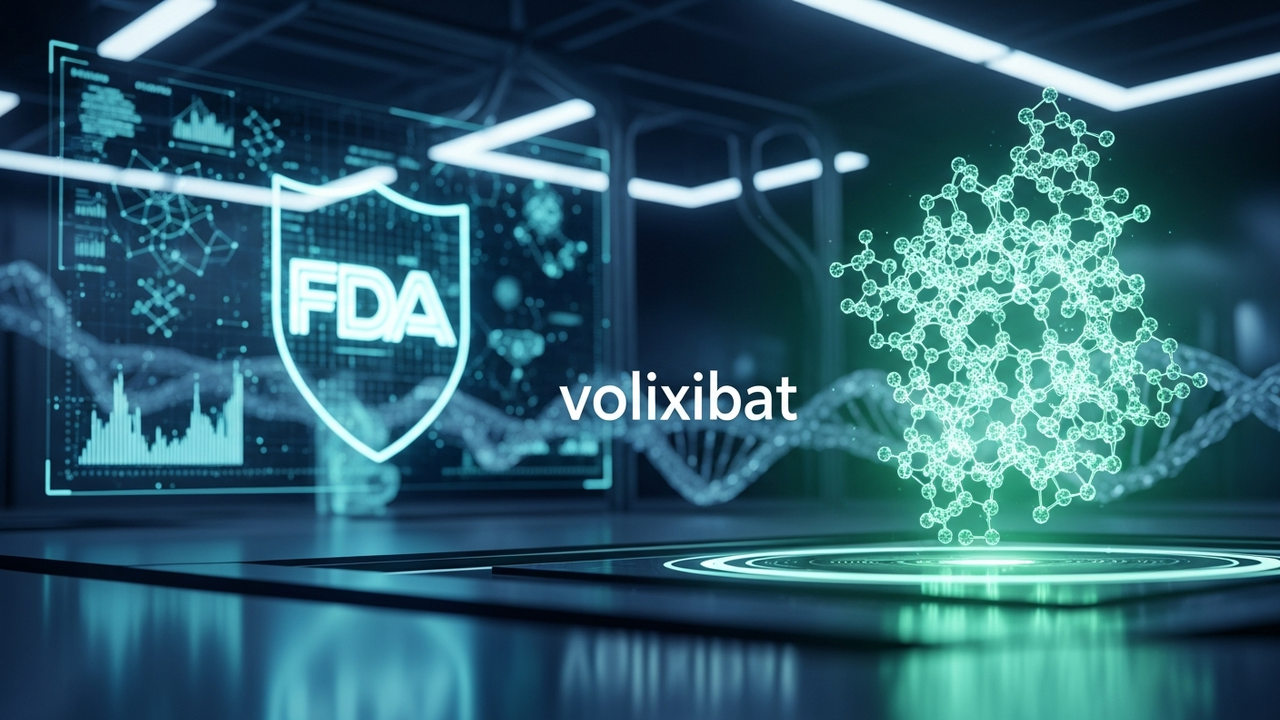
The U.S. Food and Drug Administration (FDA) has awarded both Breakthrough Therapy Designation (BTD) and Orphan Drug Designation (ODD) to volixibat, an investigational ileal bile acid transporter (IBAT) inhibitor, for the treatment of cholestatic pruritus associated with PSC. This dual recognition underscores the FDA’s acknowledgement of volixibat’s significant potential to address a critical unmet medical need in PSC patients. These designations were primarily driven by the compelling topline results from the Phase 2b VISTAS trial. In this study, volixibat-treated PSC patients suffering from moderate-to-severe pruritus showed a statistically significant improvement in itch severity compared to placebo. The trial also reported a substantial reduction in serum bile acid levels in the treatment arm, clinically validating volixibat’s proposed mechanism. Importantly, the safety profile was deemed acceptable.
Mechanism of Action
Volixibat operates as an oral, highly selective inhibitor of the ileal bile acid transporter (IBAT) located in the terminal ileum. This transporter plays a crucial role in the enterohepatic circulation, facilitating the reabsorption of bile acids from the gut back to the liver. In PSC, compromised bile flow leads to the systemic accumulation of bile acids, which is a key driver of the severe cholestatic pruritus experienced by patients. By blocking IBAT, volixibat effectively disrupts this enterohepatic recycling loop, diverting excess bile acids for excretion in the feces. This mechanism is designed to reduce overall serum bile acid levels, thereby mitigating the intensity of pruritus. The observed reduction in serum bile acid levels in the VISTAS trial directly supports the clinical effectiveness of this targeted pharmacological approach.
Industry Impact and Future Outlook
The dual designations for volixibat are expected to significantly accelerate its development timeline and expedite regulatory review. Pending successful outcomes from larger-scale, long-term clinical trials, volixibat could represent a critically awaited new therapeutic option for PSC patients. This progress is also anticipated to catalyze the development of other targeted therapies for intractable hepatobiliary diseases. Furthermore, researchers will likely explore volixibat’s potential applicability to other cholestatic conditions. The hope is that volixibat will not only dramatically improve the quality of life for PSC patients by alleviating pruritus but also potentially slow the progression of this challenging disease.
Source: https://www.hcplive.com/view/fda-grants-volixibat-breakthrough-therapy-orphan-designations-for-psc
Get our weekly technology intelligence — free
Receive an infographic that lets you judge at a glance whether each field’s analysis report is worth reading.
Subscribe Free — Weekly Tech Intelligence
By subscribing, you’ll receive Troy-Technical’s weekly technology intelligence newsletter.
- Your email and selected fields are used only to deliver the newsletter.
- We never share your information with third parties.
- You can unsubscribe anytime via the link in each email.
See our Privacy Policy for details.
Takes about a minute · Unsubscribe anytime