Key Findings
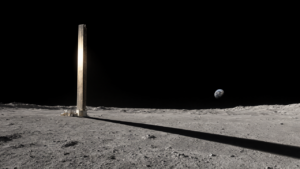
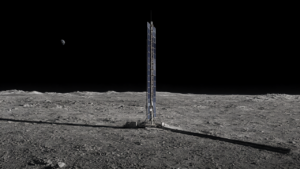
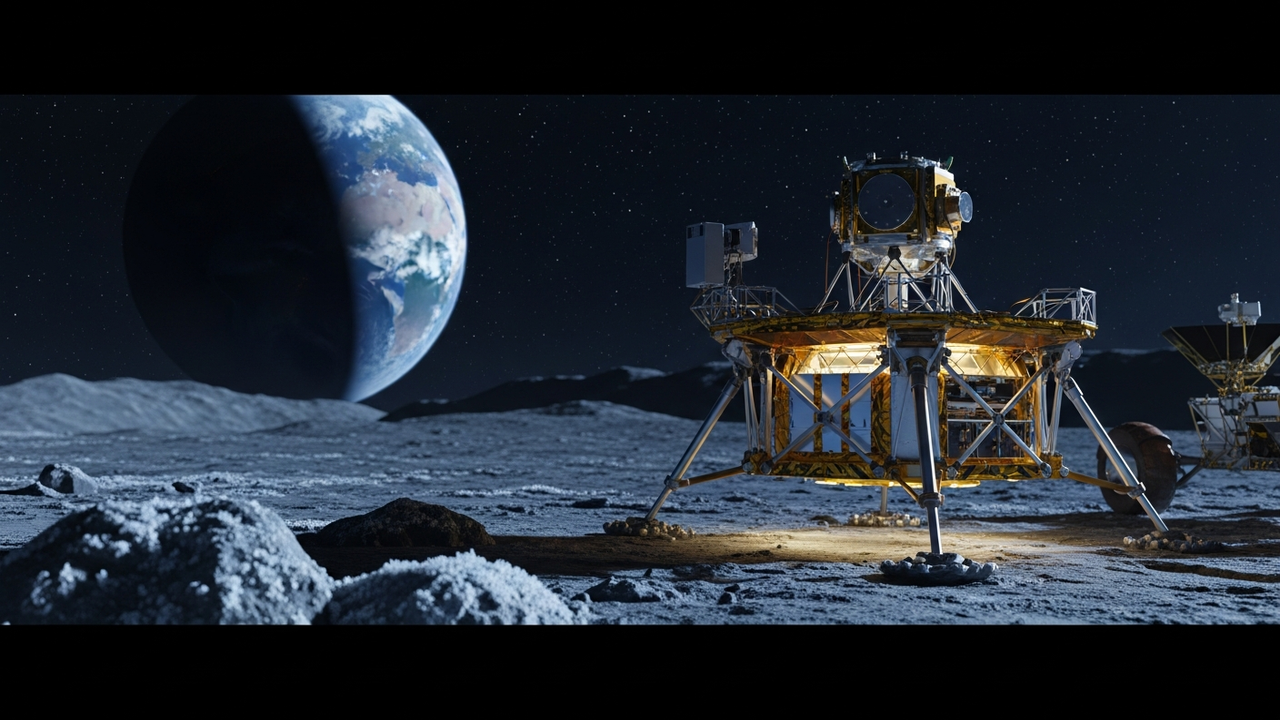
NASA has successfully completed the hardware development and extensive testing for the Lunar Environment Monitoring Station (LEMS) payload, an instrument designed for deployment by Artemis astronauts near the Moon’s South Pole. This groundbreaking device is engineered to provide continuous seismic monitoring, even through the extreme conditions of the two-week-long lunar night, opening new frontiers for lunar scientific exploration.
Technical / Clinical Details
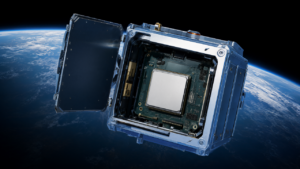
LEMS is specifically developed to continuously monitor the Moon’s seismic environment. Its standout feature is an innovative thermal design that allows it to withstand the extreme cold of the lunar night. To significantly reduce reliance on traditional radioisotope thermoelectric generators (RTGs), LEMS incorporates advanced insulation materials and an autonomous thermal regulator. This system enables internal components to remain within operational temperature ranges without external heat sources, ensuring long-duration mission capabilities. Minimizing the total payload mass and power requirements is crucial for enhancing flexibility in future deep-space mission designs. This technological advancement is expected to directly contribute to the exploration of water ice resources in permanently shadowed regions at the lunar South Pole and geological surveys for future Moon Base construction sites.
Background & Context
The Artemis program aims for a sustainable human presence on the Moon and eventual crewed missions to Mars, envisioning the establishment of long-term lunar habitats. For such extended missions, understanding environmental factors, particularly lunar seismic activity, is paramount for infrastructure design and crew safety. LEMS represents an update to lunar seismic observation capabilities since the Apollo missions, promising new data on the Moon’s internal structure and geological processes. Furthermore, reducing the use of radioisotopes aligns with contemporary space development trends emphasizing sustainability, addressing environmental regulations, cost considerations, and launch complexities.
Strategic Significance & Outlook
Deployed by Artemis astronauts at a strategic location near the lunar South Pole, LEMS will enable scientists to gather unprecedented data on the Moon’s interior, its formation and evolutionary history, and the stability of its surface. This data will directly inform the selection of future Moon Base sites and the assessment of seismic impacts on structures. The lightweight, energy-efficient, and lunar-night-enduring instrument design demonstrated by LEMS holds potential for application beyond the Moon to other solar system bodies, significantly enhancing deep-space scientific exploration capabilities.
Get our weekly technology intelligence — free
Receive an infographic that lets you judge at a glance whether each field’s analysis report is worth reading.
Subscribe Free — Weekly Tech Intelligence
By subscribing, you’ll receive Troy-Technical’s weekly technology intelligence newsletter.
- Your email and selected fields are used only to deliver the newsletter.
- We never share your information with third parties.
- You can unsubscribe anytime via the link in each email.
See our Privacy Policy for details.
Takes about a minute · Unsubscribe anytime