Background
The pharmaceutical industry faces persistent challenges, including low success rates and high costs in new drug development, driving an urgent need for innovative research platforms. Microgravity environments offer unique conditions, difficult to replicate on Earth, which hold significant potential for elucidating unexplored biological mechanisms and developing novel therapies. Previous experiments on the International Space Station (ISS) have demonstrated microgravity’s impact on various human physiological functions—such as bone density loss, immune system alterations, and muscle atrophy—with insights gained proving valuable for developing terrestrial treatments. The European Space Agency (ESA) strategically supports this research through its BioOrbit program, aiming to bolster the competitiveness of Europe’s space biology and biotechnology sectors. With the commercialization of space access driving down costs, microgravity research is becoming an increasingly viable option for a wider array of pharmaceutical companies and research institutions.
Key Findings
The European Space Agency’s (ESA) BioOrbit project is leveraging the unparalleled advantages of microgravity to fundamentally enhance the formulation and delivery methods of antibody-based cancer therapies and other biologics through the production of high-quality protein crystals. Concurrently, the PRICILIA project is advancing next-generation treatments for osteoarthritis by deepening the understanding of gravity-induced mechanosensing in cartilage cells. Complementing these efforts, the MyrSpaceCardio project is developing advanced 3D cardiac tissue models, optimized for microgravity, to significantly boost the predictive accuracy of preclinical drug testing and, by extension, the overall efficiency of the drug discovery process.
Technical Details
Microgravity environments facilitate biological and physical processes that are inherently challenging to replicate on Earth. Specifically, they offer the following distinct technical advantages:
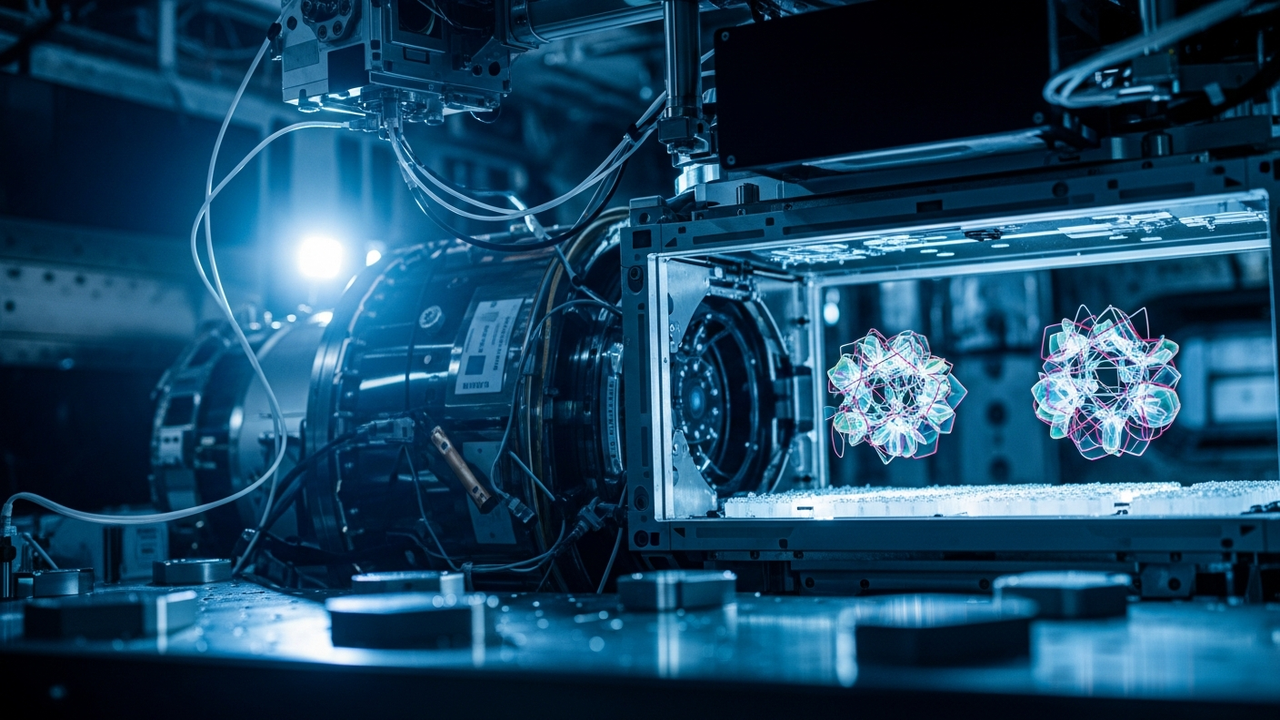
- Improved Protein Crystal Quality: The suppression of gravity-induced convection and sedimentation enables the growth of larger, more uniform, and structurally less defective protein crystals from solution. This significantly enhances the resolution of X-ray crystallography, leading to more precise elucidation of the 3D structures of drug target proteins. Such structural clarity is paramount for the rational design of more effective novel drugs and is also critical for optimizing the target specificity and binding affinity of antibody therapeutics.
- Deepened Mechanosensing Research: The PRICILIA project meticulously observes how cartilage cells respond to gravitational changes within a microgravity environment. By studying cellular behavior in the absence of gravitational mechanical stress, researchers can gain profound insights into the underlying causes of cartilage degeneration in conditions such as osteoarthritis, thereby identifying novel targets for therapeutic intervention.
- Development of Advanced 3D Tissue Models: The MyrSpaceCardio project employs 3D cardiac tissue models, engineered in microgravity, to rigorously evaluate drug cardiotoxicity and efficacy. These sophisticated models are anticipated to exhibit physiological responses more akin to human function compared to traditional 2D cultures or animal models on Earth. This enhanced fidelity is expected to substantially reduce false positives and negatives in preclinical trials, consequently increasing the success rate of subsequent clinical trials.
Collectively, these projects are poised to establish space as a novel and indispensable arena for drug discovery research, making significant contributions to solving global healthcare challenges on Earth.
Strategic Significance
Should these ambitious ESA projects achieve their objectives, the microgravity environment will be firmly established as an indispensable research tool for the development of next-generation pharmaceuticals, particularly complex biologics and personalized medicine therapies. The high-quality protein crystals produced by BioOrbit will significantly advance structural biology, enabling more precise and rational drug design. Outcomes from the PRICILIA project hold the potential for groundbreaking advancements in osteoarthritis treatment, while MyrSpaceCardio’s 3D cardiac tissue models are poised to elevate global drug screening standards. By effectively translating these space-based research findings back to terrestrial applications, substantial contributions are anticipated in treating intractable diseases, streamlining drug discovery processes, and accelerating the advent of personalized medicine. Long-term, the commercial development of in-orbit pharmaceutical manufacturing and research facilities envisions a future where space directly contributes to human health and well-being, emerging as a new industrial frontier.
Source: https://bsgn.esa.int/usecases/drug-development/
Get our weekly technology intelligence — free
Receive an infographic that lets you judge at a glance whether each field’s analysis report is worth reading.
Subscribe Free — Weekly Tech Intelligence
By subscribing, you’ll receive Troy-Technical’s weekly technology intelligence newsletter.
- Your email and selected fields are used only to deliver the newsletter.
- We never share your information with third parties.
- You can unsubscribe anytime via the link in each email.
See our Privacy Policy for details.
Takes about a minute · Unsubscribe anytime