Key Findings
A recent report from the U.S. Energy Information Administration (EIA) highlights the phenomenal growth in the U.S. utility-scale battery energy storage system (BESS) market. By mid-2026, the operational BESS capacity in the U.S. had already reached approximately 52 gigawatts (GW), expanding at an impressive average annual rate of 70% over the past three years. Furthermore, the EIA forecasts that an additional 54GW of BESS capacity is planned to come online by 2028, effectively doubling the total U.S. BESS capacity to 106GW. Of this planned expansion, 14GW is expected to be commissioned in the latter half of 2026 alone.
Technical & Clinical Details
The report primarily focuses on the growth of utility-scale BESS, with key technical trends and deployments including:
- Rapid Deployment: The 70% average annual growth rate in BESS capacity between 2023 and mid-2026 strongly reflects the escalating demand for renewable energy integration and enhanced grid flexibility.
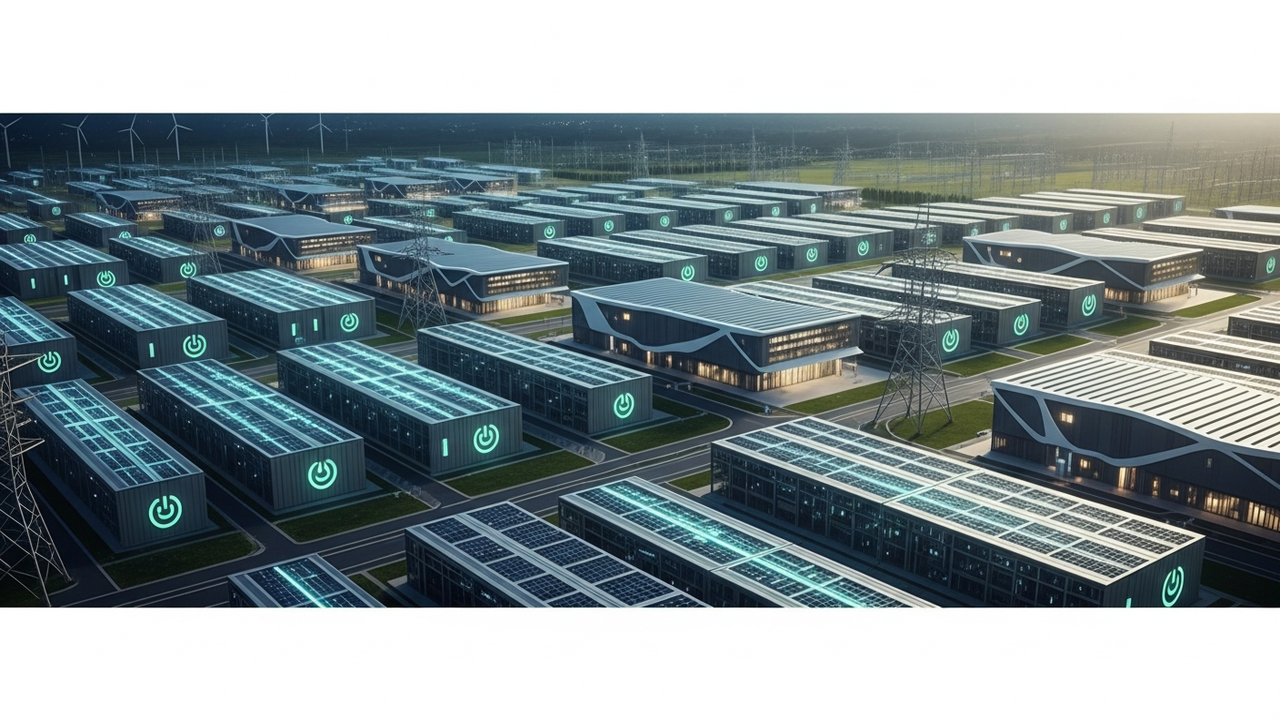
- Co-located with Solar PV: A significant portion of BESS units deployed in the U.S. are co-located with solar photovoltaic (PV) plants. This configuration allows for the mitigation of solar intermittency, storing surplus energy during daytime generation for discharge during evening peaks or when sunlight is unavailable. Projects like California’s Bellefield Solar and Energy Storage Farm serve as prime examples of this effective model.
- Future Growth Trajectory: The planned 14GW for the second half of 2026, followed by substantial additions through 2027 and 2028, indicates sustained market momentum. This growth is driven by continuous technological innovation, cost reductions, and supportive federal and state policies such as investment tax credits.
- LFP Chemistry Dominance: Lithium Iron Phosphate (LFP) chemistry remains prevalent in utility-scale BESS due to its superior safety profile, longer lifespan, and cost-effectiveness.
These deployments are playing an indispensable role in the stable integration of renewable energy and the construction of a more resilient power grid.
Background & Context
The United States is aggressively pursuing renewable energy deployment to achieve its climate change mitigation goals and enhance energy independence. However, the large-scale integration of variable renewable sources like wind and solar presents challenges to maintaining stable power supply and frequency regulation within the grid. BESS stands as one of the most effective solutions to address these issues. Federal policies, such as the Inflation Reduction Act (IRA), have significantly strengthened investment incentives for battery storage projects, powerfully accelerating their deployment. This growth clearly demonstrates the U.S. power system’s transition from traditional fossil fuel-based generation towards a more decentralized and cleaner paradigm.
Strategic Significance & Outlook
The projection of doubling U.S. BESS capacity by 2028 represents a substantial business opportunity for companies entering the energy storage market. This rapid growth will stimulate investment and job creation across battery manufacturing, system integration, grid services, and the entire related supply chain. As more BESS units are integrated into the grid, it is expected to stabilize electricity prices, reduce the risk of power outages, and minimize renewable energy curtailment. The U.S. is poised to solidify its position as a leading market for energy storage technology, playing a critical role in driving the global energy transition. This trend is expected to accelerate further in the coming years, fundamentally transforming the U.S. power system.
Source: https://www.energy-storage.news/us-double-bess-capacity-2028-eia-reports/
Get our weekly technology intelligence — free
Receive an infographic that lets you judge at a glance whether each field’s analysis report is worth reading.
Subscribe Free — Weekly Tech Intelligence
By subscribing, you’ll receive Troy-Technical’s weekly technology intelligence newsletter.
- Your email and selected fields are used only to deliver the newsletter.
- We never share your information with third parties.
- You can unsubscribe anytime via the link in each email.
See our Privacy Policy for details.
Takes about a minute · Unsubscribe anytime