Key Findings
A report from GEM Mining Consulting, cited by IndexBox, issues a stern warning that the critical mineral supply chains essential for batteries will face severe risks through 2035, primarily in the processing stage rather than solely in extraction volumes. The analysis forecasts that projected supply will meet only 68% of lithium demand, 74% of cobalt demand, and 75% of copper demand. Furthermore, even minerals like graphite and magnet rare earths, despite having higher demand coverage projections, are assigned top fragility ratings due to persistent processing challenges. This assessment, drawing on the IEA Global Critical Minerals Outlook 2026, underscores the critical need for diversified processing options and mineral-specific supply chain strategies to avert future shortages.
Technical & Clinical Details
The report meticulously analyzes where each critical mineral faces vulnerabilities in its supply chain:
- Lithium, Cobalt, Copper: For these metals, supply shortfalls are anticipated across all stages—from mining to refining and processing—relative to the projected demand through 2035. Lithium demand, in particular, is surging due to the rapid growth of electric vehicles (EVs) and energy storage systems, leading to a significant projected supply gap.
- Graphite, Magnet Rare Earths: While extraction volumes for these minerals are projected to meet demand, the concentration of processing capacity in specific countries constitutes a major supply chain bottleneck. For instance, graphite is predominantly processed in China, making its supply vulnerable to geopolitical shifts or changes in environmental regulations. Rare earths face similar dependencies on refining and processing capabilities in limited regions.
- Definition of Processing Risks: Processing risks encompass factors such as:
- Geographical Concentration: Processing facilities being clustered in a few countries or regions.
- Technological Complexity: High-purity processing often requires advanced techniques, making it difficult to rapidly establish new facilities.
- Environmental Regulations: Processing often involves environmentally intensive steps, where tightening regulations could constrain supply.
- Capital Intensiveness: Requires significant upfront investment, posing barriers to new entrants.
This analysis is grounded in data from the International Energy Agency’s (IEA) Global Critical Minerals Outlook 2026.
Background & Context
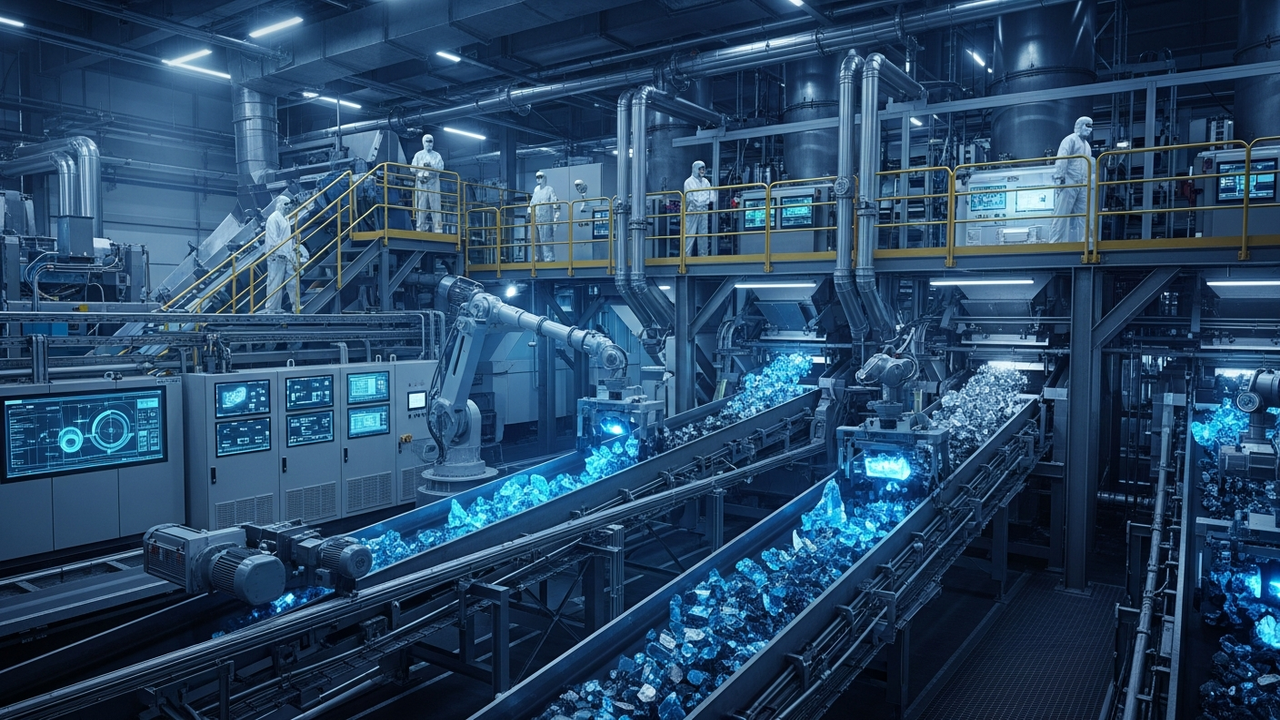
With accelerated global decarbonization and electrification, the demand for batteries (especially for EVs and stationary storage) has exploded, making the supply of critical minerals like lithium, cobalt, nickel, and graphite an urgent concern. Many governments and corporations are investing in mining projects to secure these mineral sources. However, this report clearly indicates that the capacity to process these raw minerals into battery-grade materials may become an even more severe bottleneck than mining itself. Supply chain vulnerabilities heighten the risks of geopolitical tensions and trade disputes, potentially slowing the pace of the clean energy transition.
Strategic Significance & Outlook
The warning from this report strongly urges governments and industries worldwide to reassess their critical mineral supply chain strategies for batteries. Future efforts must focus on:
- Diversifying Processing Capacity: Geographically dispersing refining and processing facilities, not just mining operations, to enhance supply chain resilience.
- Technological Innovation: Developing more efficient and environmentally friendly processing technologies, and strengthening the ability to produce high-p purity materials from diverse raw sources.
- Recycling and Circular Economy: Maximizing the recovery of critical minerals from end-of-life batteries to reduce reliance on primary resources.
- International Cooperation and Coordination: Building collaborative frameworks between resource-rich and consumer countries to ensure transparent and stable supply chains.
Failure to address these processing risks successfully could mean that battery supply constraints continue to severely impact the global clean energy transition, significantly influencing future policy decisions and industrial investments.
Source: https://www.indexbox.io/blog/critical-mineral-supply-chains-face-processing-risks-through-2035/
Get our weekly technology intelligence — free
Receive an infographic that lets you judge at a glance whether each field’s analysis report is worth reading.
Subscribe Free — Weekly Tech Intelligence
By subscribing, you’ll receive Troy-Technical’s weekly technology intelligence newsletter.
- Your email and selected fields are used only to deliver the newsletter.
- We never share your information with third parties.
- You can unsubscribe anytime via the link in each email.
See our Privacy Policy for details.
Takes about a minute · Unsubscribe anytime