Key Findings
Pasqal, a French company and global leader in neutral atom quantum computing, is set to become a publicly traded company through a business combination with the Special Purpose Acquisition Company (SPAC) Bleichroeder Acquisition Corp. II. The deal values Pasqal at a pre-money valuation of $2 billion and is accompanied by a $200 million convertible note financing.
Technical / Clinical Details
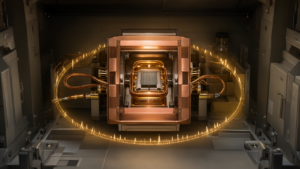
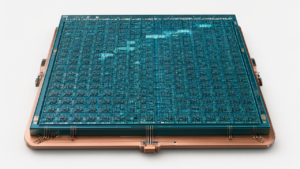
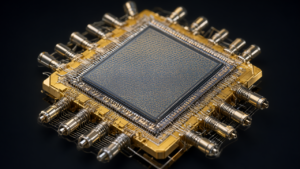
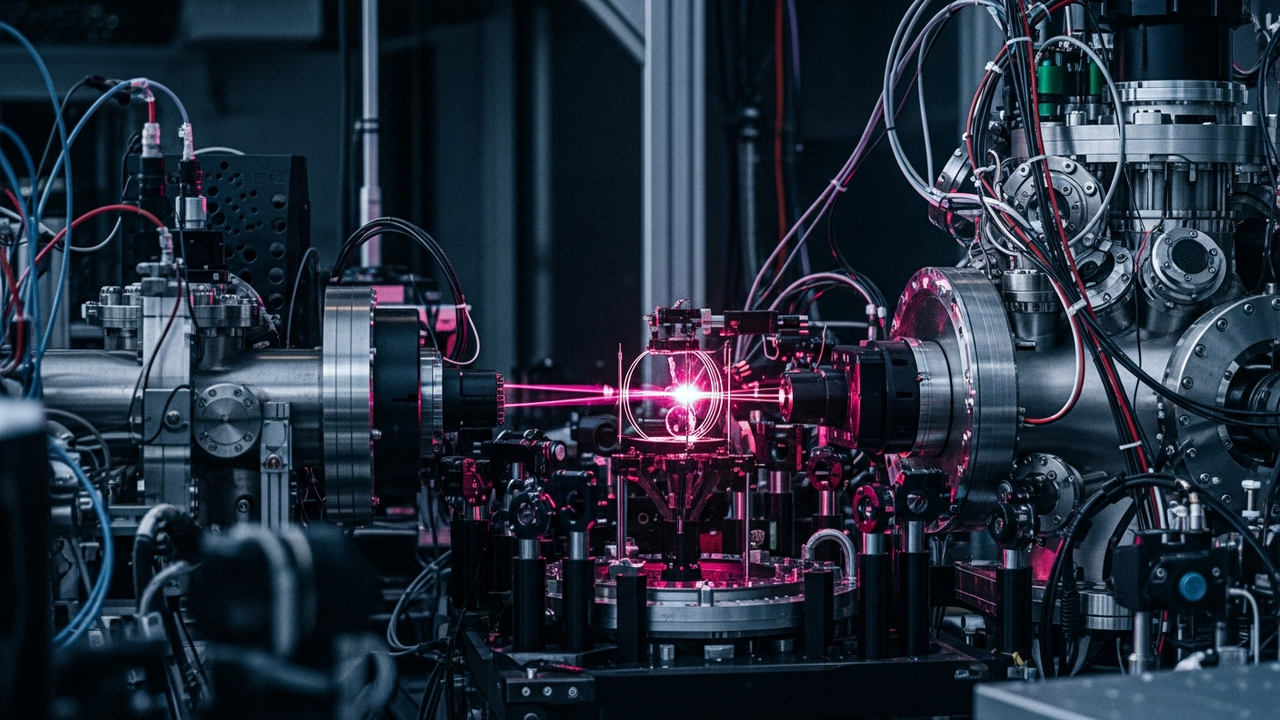
Pasqal specializes in utilizing laser-cooled neutral atoms as qubits, a technology offering high connectivity and significant scalability potential, with ongoing development of processors boasting hundreds of qubits. This capital influx from the public listing is expected to substantially accelerate the company’s R&D investments and advance its roadmap towards achieving fault-tolerant quantum computing. Fault-tolerant quantum computing, which integrates quantum error correction, is the ultimate goal for enabling large-scale, robust quantum computations resilient to noise. The secured funds will be deployed to enhance quantum processor performance, develop the software stack, and strengthen collaborations with industrial partners, including global players in automotive, energy, and defense sectors.
Background & Context
The quantum computing landscape is highly competitive, with companies like IBM, Google, and IonQ exploring diverse approaches such as superconducting circuits and ion traps. Neutral atom technology, however, stands out for its potential in scaling up qubit numbers and offering relatively long coherence times, making it a promising contender. Pasqal’s $2 billion valuation is remarkably high for a quantum tech startup, signaling strong market confidence in neutral atom technology and the company’s specific technological advantages. Going public via a SPAC allows for a faster capital raise compared to traditional IPOs, positioning Pasqal strategically to maintain its lead in the rapidly evolving quantum technology market.
Strategic Significance & Outlook
Pasqal plans to leverage the capital raised from its public listing to accelerate the development of fault-tolerant quantum computers and drive the adoption of quantum applications across various industries. Key target areas for application include optimization problems, materials science, and drug discovery. This IPO is poised to invigorate investment interest across the entire quantum computing industry, potentially encouraging more companies to enter the commercialization phase of this transformative technology. Following the expected completion of the transaction in late 2026, Pasqal is anticipated to solidify its position as a major player in the global quantum computing market.
Get our weekly technology intelligence — free
Receive an infographic that lets you judge at a glance whether each field’s analysis report is worth reading.
Subscribe Free — Weekly Tech Intelligence
By subscribing, you’ll receive Troy-Technical’s weekly technology intelligence newsletter.
- Your email and selected fields are used only to deliver the newsletter.
- We never share your information with third parties.
- You can unsubscribe anytime via the link in each email.
See our Privacy Policy for details.
Takes about a minute · Unsubscribe anytime