Background
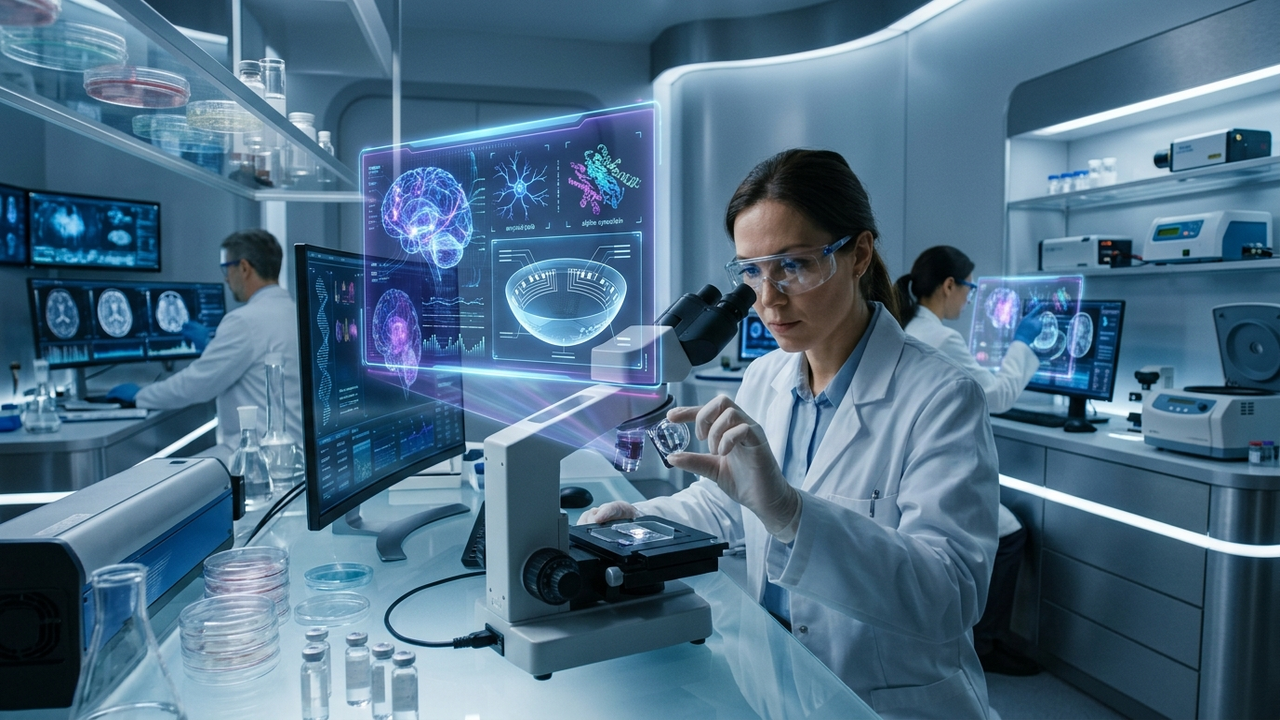
A significant hurdle in managing neurodegenerative diseases stems from the extended latency between disease onset and definitive diagnosis, a period during which irreversible brain damage frequently advances. Timely and accurate diagnosis is paramount for maximizing treatment efficacy and mitigating disease progression. Existing diagnostic methodologies, however, are often invasive, prohibitively expensive, or lack the requisite sensitivity for early-stage detection. In this context, smart contact lenses represent a transformative solution, offering non-invasive, continuous monitoring capabilities for both screening and tracking the progression of neurodegenerative disorders. This innovation underscores a broader trend: the evolution of wearable technology from mere lifestyle-tracking gadgets into sophisticated medical diagnostic and therapeutic platforms.
Key Findings
Researchers are leveraging smart contact lens technology, originally developed for continuous glucose monitoring in diabetes, to pioneer early detection of neurodegenerative diseases such as Alzheimer’s, Parkinson’s, and multiple sclerosis. These innovative lenses embed nanoscale biosensors and wireless transmitters, enabling continuous, non-invasive monitoring of health biomarkers directly from tear fluid. Tear fluid, an easily accessible biological sample, is rich in biomarkers that correlate with blood concentrations, allowing for the detection of specific proteins or metabolites indicative of neurodegenerative conditions.
The embedded nanosensors exhibit exceptional sensitivity, capable of identifying minute quantities of these biomarkers. Data collected is then wirelessly transmitted to external devices for real-time analysis, facilitating the capture of subtle physiological shifts at the very earliest stages of disease progression. Beyond their diagnostic utility, some advanced prototypes integrate augmented reality (AR) displays for user-interface applications and automatic insulin release mechanisms, demonstrating a comprehensive approach that spans both diagnostics and therapeutic intervention.
Looking ahead, these advancements position smart contact lenses as a cornerstone for the future of personalized medicine. The long-term vision includes developing these lenses into ‘in-eye mini-labs’ capable of detecting a vast spectrum of disease biomarkers for comprehensive health surveillance. Further enhancements in AR functionalities and sophisticated drug delivery systems could transform these devices into fully integrated healthcare platforms, seamlessly connecting diagnosis, prevention, and treatment, ultimately improving patient quality of life and public health outcomes globally.
Get our weekly technology intelligence — free
Receive an infographic that lets you judge at a glance whether each field’s analysis report is worth reading.
Subscribe Free — Weekly Tech Intelligence
By subscribing, you’ll receive Troy-Technical’s weekly technology intelligence newsletter.
- Your email and selected fields are used only to deliver the newsletter.
- We never share your information with third parties.
- You can unsubscribe anytime via the link in each email.
See our Privacy Policy for details.
Takes about a minute · Unsubscribe anytime