Key Findings
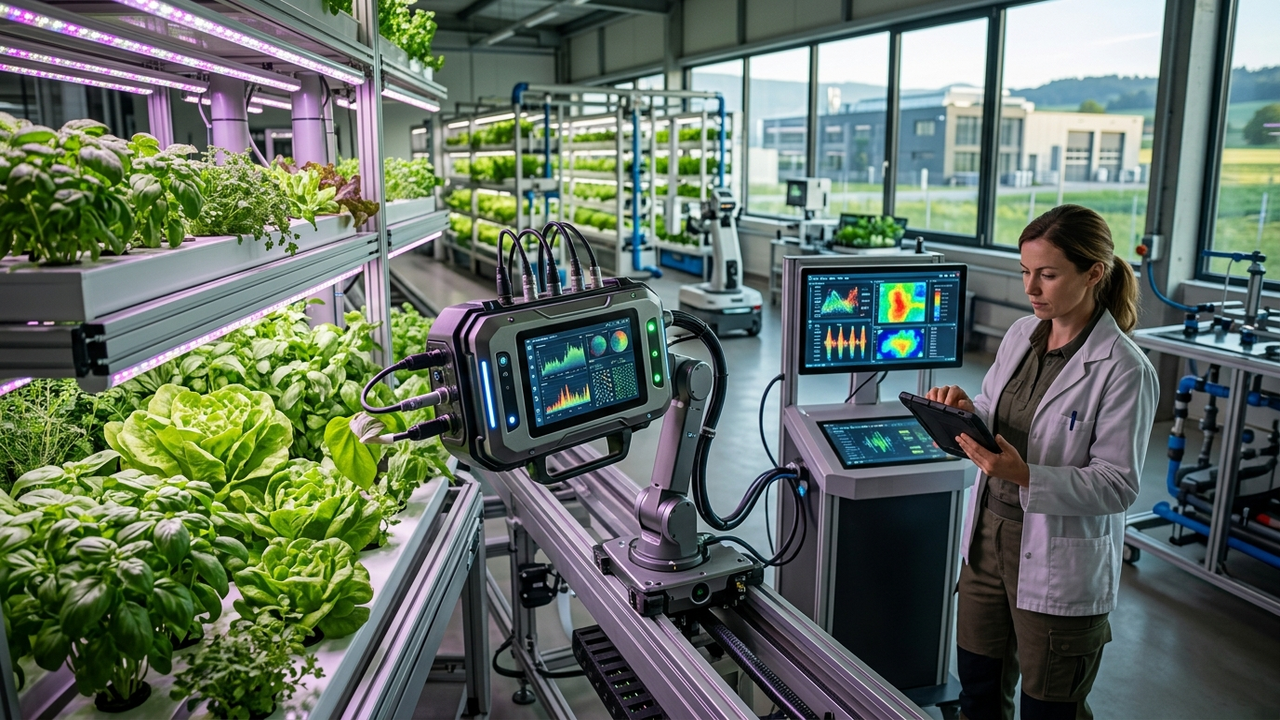
AI-enabled sustainable biosensors have been integrated into smart agriculture and food systems, demonstrating the capability for real-time, multiplex detection of threats such as pathogens, contaminants, and pesticides. This technological innovation holds the potential to fundamentally transform the safety and efficiency of the entire food supply chain, from farm to fork.
Technical / Clinical Details
This system is designed by leveraging the latest advancements in nanotechnology, incorporating materials like graphene, carbon nanotubes, and quantum dots. These nanomaterials dramatically enhance the sensitivity and specificity of the biosensors, allowing for highly accurate detection of even minute quantities of target molecules. AI algorithms play a crucial role in analyzing the vast amounts of data collected by the sensors, identifying anomalous patterns, and pinpointing the types and concentrations of contaminants. Furthermore, integration with wearable electronics facilitates on-site, real-time monitoring, while microfluidic platforms offer the capacity for rapid, multi-analyte analysis with small sample volumes. Specifically, the technology has been demonstrated to quickly and accurately detect specific pathogens in crops (e.g., Salmonella, E. coli), heavy metals in water, and pesticide residues in soil. This capability significantly reduces the risk of contaminated food entering the market and enhances pre-harvest quality control of agricultural products.
Background & Context
Modern agricultural and food systems face complex challenges including globalization, climate change, and population growth, making food safety assurance and production efficiency urgent priorities. Traditional testing methods are time-consuming and costly, and the delay from sampling to results hinders real-time decision-making. The integration of AI and sustainable biosensors offers a powerful solution to these challenges. Notably, the selection of environmentally conscious materials and designs that minimize waste addresses the growing demand for sustainability in food production.
Strategic Significance & Outlook
This AI-enabled sustainable biosensor will shape the future of smart sensing across the entire “farm-to-fork” food supply chain. By enabling real-time threat detection and rapid, evidence-based decision-making, it can prevent foodborne illness outbreaks, promote judicious pesticide use, and reduce resource waste. In the future, the technology holds potential for detecting a wider range of threats (e.g., allergens, nutrient levels), broader environmental monitoring applications, and integration with blockchain technology to enhance food traceability. This technology is expected to have a significant societal impact as an indispensable tool for building safe and sustainable food supply systems.
Source: https://www.frontiersin.org/articles/10.3389/fsufs.2026.1927273
Get our weekly technology intelligence — free
Receive an infographic that lets you judge at a glance whether each field’s analysis report is worth reading.
Subscribe Free — Weekly Tech Intelligence
By subscribing, you’ll receive Troy-Technical’s weekly technology intelligence newsletter.
- Your email and selected fields are used only to deliver the newsletter.
- We never share your information with third parties.
- You can unsubscribe anytime via the link in each email.
See our Privacy Policy for details.
Takes about a minute · Unsubscribe anytime