Key Findings
NASA’s High-Performance Spaceflight Computing (HPSC) processor has demonstrated an astounding 500-fold increase in processing speed compared to the radiation-hardened chips currently used in spaceflight, during rigorous testing at the Jet Propulsion Laboratory (JPL). This groundbreaking achievement is critical for enabling future spacecraft to make autonomous, AI-driven decisions and significantly reducing their reliance on long-distance communication with Earth.
Technical / Clinical Details
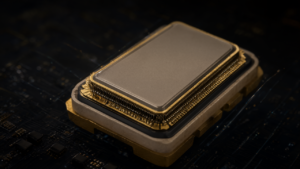
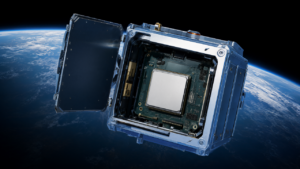
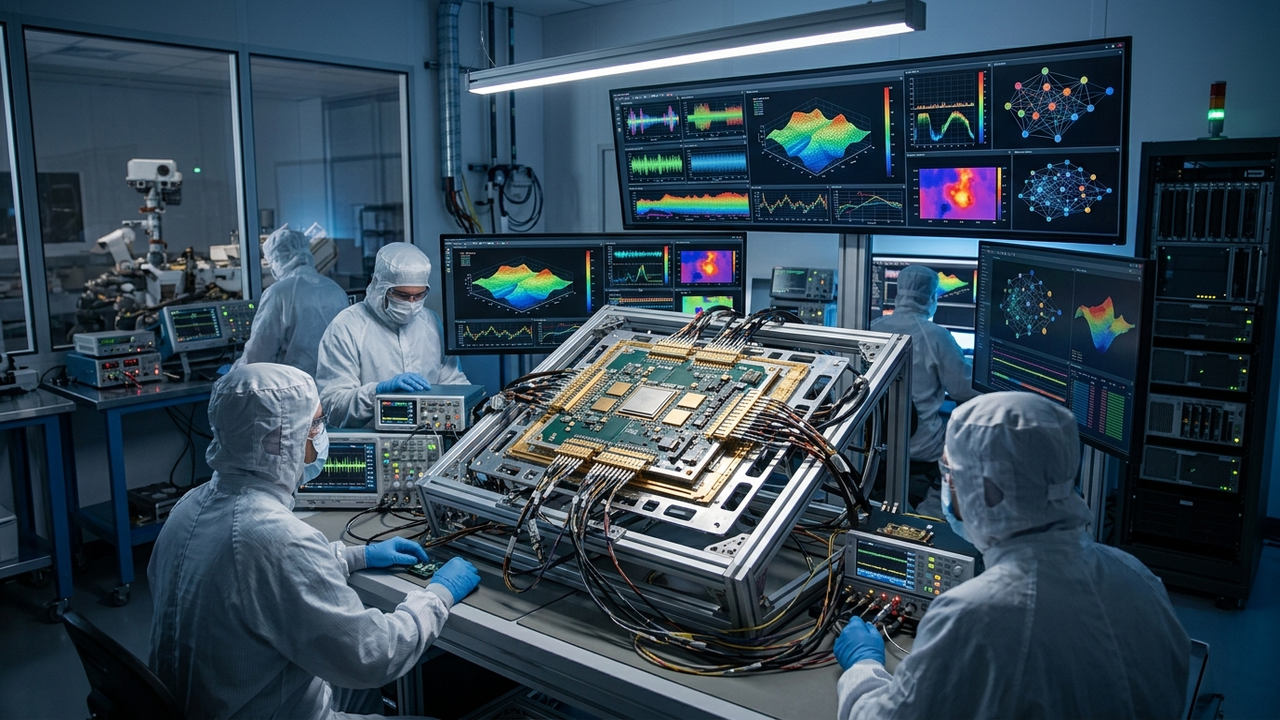
Co-designed with Microchip Technology, the HPSC processor packs unprecedented computational power into a palm-sized form factor. It is specifically engineered to be radiation-tolerant, ensuring stable operation in the extremely harsh environment of outer space. The 500x performance leap is not just about raw speed; it empowers spacecraft to run complex AI algorithms onboard, analyze data in real-time, and make autonomous judgments. Furthermore, the HPSC integrates advanced fault-tolerance mechanisms and error-correction capabilities, protecting against data corruption and system failures caused by radiation events and other space-specific perturbations. This opens the door for spacecraft to continue missions autonomously and make new discoveries even when real-time control from Earth is challenging, such as in deep-space exploration missions.
Background & Context
Modern space missions generate vast amounts of scientific data and require complex operational scenarios. Traditional spaceflight computers, designed primarily for radiation hardness, have lagged significantly behind terrestrial consumer chips in terms of processing power. However, with the rapid advancements in AI technology and the increasing demand for more autonomous missions, improving onboard computing capabilities for spacecraft has become an urgent priority. NASA’s HPSC program was initiated to bridge this gap, laying the foundation for achieving more ambitious scientific and exploratory goals, including next-generation lunar and Martian exploration, asteroid missions, and deep-space telescopes. This technology has the potential to fundamentally transform space exploration, reducing the need for human intervention and increasing mission efficiency and success rates.
Strategic Significance & Outlook
The success of the NASA HPSC processor will provide a significant impetus for the evolution of space AI and autonomous systems. This technology is expected to play a crucial role in future Artemis program operations for lunar bases and crewed missions to Mars. Spacecraft will be able to respond to environmental changes in real-time and maximize scientific discovery opportunities without relying on delayed communication from Earth. Furthermore, this processor can be applied to Earth observation and communication satellites, improving the quality of services from space by providing more advanced onboard data processing and intelligence. The HPSC is not merely a faster chip; it represents an indispensable step towards accelerating humanity’s expansion into space and opening new frontiers for activities in the cosmos.
Source: https://spacedaily.com/t-nasa-hpsc-processor-500-times-faster-spaceflight-ai/
Get our weekly technology intelligence — free
Receive an infographic that lets you judge at a glance whether each field’s analysis report is worth reading.
Subscribe Free — Weekly Tech Intelligence
By subscribing, you’ll receive Troy-Technical’s weekly technology intelligence newsletter.
- Your email and selected fields are used only to deliver the newsletter.
- We never share your information with third parties.
- You can unsubscribe anytime via the link in each email.
See our Privacy Policy for details.
Takes about a minute · Unsubscribe anytime