Key Findings
NASA’s Johnson Space Center has issued a call for research proposals focused on the Hot Isostatic Pressing (HIP) optimization of GRX-810, an innovative superalloy. This initiative aims to precisely tune the thermal and pressure treatment parameters of GRX-810 to maximize its mechanical properties and durability. The successful outcome of this research is expected to establish GRX-810 as a critical next-generation material for operations in future extreme space environments.
Technical / Clinical Details
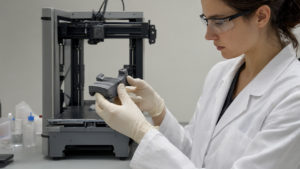
GRX-810 is a novel oxide dispersion strengthened (ODS) alloy developed by NASA, reported to possess superior strength and durability at significantly higher temperatures compared to conventional alloys. HIP is a crucial process used to increase the density of parts manufactured via powder metallurgy and composite materials, eliminating internal defects. The proposal solicitation targets the optimization of GRX-810’s HIP process parameters, specifically temperature, pressure, and holding time, to gain a detailed understanding of the relationship between these parameters and the alloy’s microstructure and mechanical performance (e.g., strength, fatigue life, creep resistance). The research will encompass the fabrication of high-performance test specimens, extensive material characterization, and the development of predictive numerical models. These optimized processes are indispensable for ensuring GRX-810 meets the stringent requirements for ultra-high temperature and high-stress environments, such as rocket engine components, re-entry systems, and lunar infrastructure.
Background & Context
The progression of space exploration, particularly the Artemis program for lunar landings and the increasing duration of Mars missions, has led to a dramatic surge in demand for high-performance materials capable of withstanding extreme environments. Components like rocket engines, re-entry vehicles, and lunar base structures must operate reliably under severe conditions, including extreme temperatures, radiation, and vacuum. Superalloys such as GRX-810 are key to providing high performance and reliability in these challenging settings. This research solicitation by NASA is part of a broader national strategy to lead U.S. space technology and accelerate innovation through collaboration with private industry and academic institutions. Leveraging International Space Station (ISS) utilization opportunities may also provide avenues for studying material behavior in microgravity.
Strategic Significance & Outlook
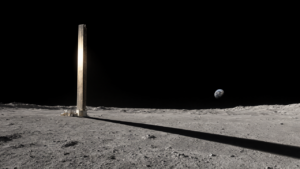
Successful HIP optimization of GRX-810 will enable the space industry to manufacture components with enhanced performance and extended lifespans, thereby facilitating the realization of more ambitious and sustainable space missions. For instance, GRX-810 has the potential to improve the performance of mission-critical components such as engine nozzles for lunar landers and heat-resistant parts for Mars rovers. This alloy is also anticipated to serve as a high-strength, heat-resistant structural material for future lunar base construction, becoming a foundational technology for supporting a permanent human presence in space. The outcomes of this research are expected to have ripple effects not only in aerospace engineering but also in the development of materials for extreme environments on Earth.
Source: https://console.sweetspotgov.com/federal-contracts/8b4731bc-0565-5105-96a8-3978c794759f
Get our weekly technology intelligence — free
Receive an infographic that lets you judge at a glance whether each field’s analysis report is worth reading.
Subscribe Free — Weekly Tech Intelligence
By subscribing, you’ll receive Troy-Technical’s weekly technology intelligence newsletter.
- Your email and selected fields are used only to deliver the newsletter.
- We never share your information with third parties.
- You can unsubscribe anytime via the link in each email.
See our Privacy Policy for details.
Takes about a minute · Unsubscribe anytime