Key Findings
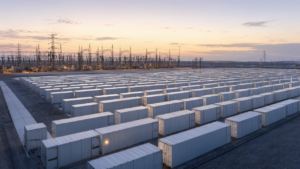
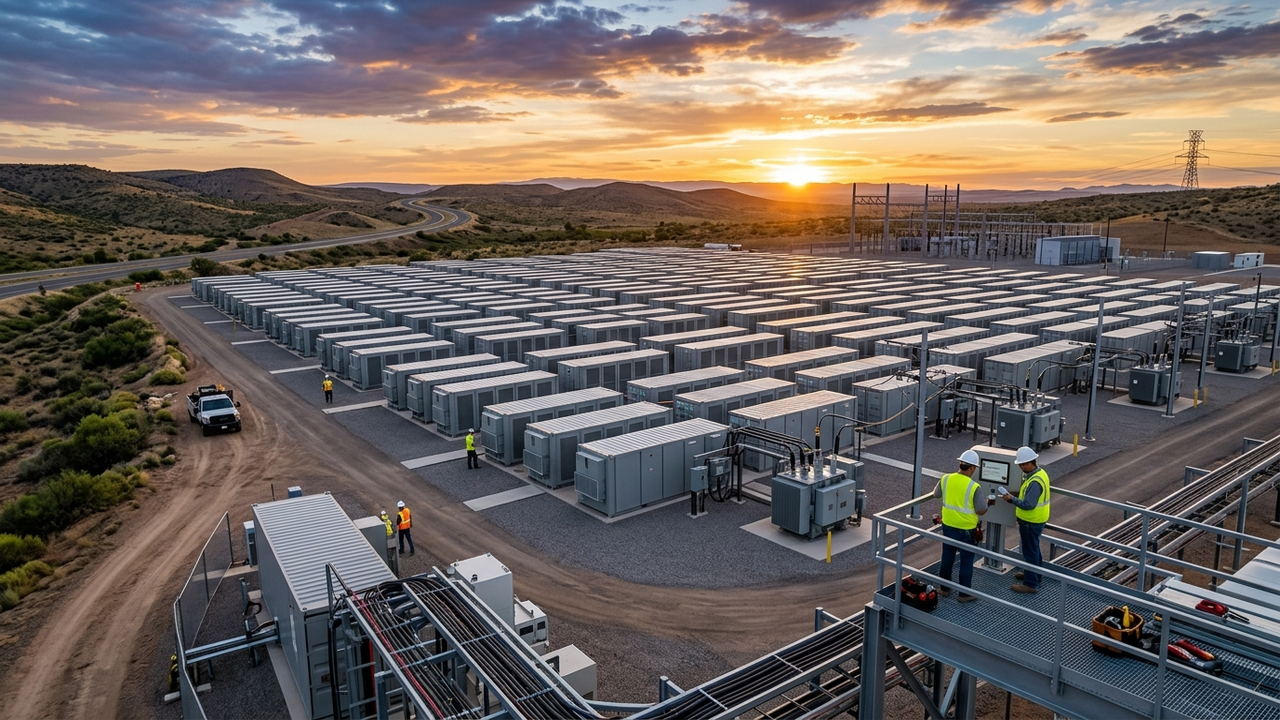
According to the latest data from the U.S. Energy Information Administration (EIA), U.S. utility-scale battery storage capacity reached approximately 52 gigawatts (GW) by mid-2026. This represents a remarkable average annual growth rate of 70% over the past three years, clearly indicating the accelerating transition to clean energy. Developers have announced plans to add another 54 GW of storage capacity by 2028, suggesting continued market growth.
Technical Details
- **Surge in Capacity**: In just three years, from 2023 to mid-2026, utility-scale battery storage capacity has dramatically increased, reaching 52 GW. This is the result of a synergistic effect of cost reductions and performance improvements in lithium-ion battery technology, coupled with policy incentives.
- **Co-location with Solar PV**: A primary driver of storage capacity expansion is the ‘co-location’ with solar PV facilities. Combining solar generation with battery storage allows electricity to be stored and maximizes the value of renewable energy through wholesale price arbitrage (buying when cheap, selling when expensive). It also smooths out output fluctuations, contributing to grid stability.
- **Future Plans**: Developers plan to add another 54 GW of battery storage capacity by 2028, in addition to the currently operational capacity. Specifically, 14 GW is scheduled for deployment in the latter half of 2026, indicating continued high growth in the short term. This plan demonstrates a strong commitment to achieving U.S. long-term energy storage goals.
- **Market Impact**: Such large-scale additions to storage capacity enhance grid reliability and further accelerate the integration of renewable energy. This reduces reliance on fossil fuel generation like coal and natural gas, contributing to greenhouse gas emission reductions.
Background and Industry Context
The U.S. is pursuing a national strategy to transition to clean energy and modernize its power grid, with Battery Energy Storage Systems (BESS) playing a central role. Federal policies such as the Infrastructure Investment and Jobs Act (IIJA) and the Inflation Reduction Act (IRA) provide substantial subsidies and tax credits, strongly encouraging BESS deployment. With the increasing penetration of intermittent renewable energy sources (solar, wind), storage technologies are essential for balancing supply and demand and maintaining grid stability. The rising power demand from AI workloads in data centers is also creating new demand for BESS.
Strategic Significance and Outlook
The U.S. utility-scale battery storage market is projected to maintain high growth rates. Further improvements in cost-efficiency through technological innovation, continued policy support, and demand from new applications (e.g., AI data centers) will be key factors sustaining this momentum. This expansion will lay a crucial foundation for the U.S. to build a clean energy economy and lead global decarbonization efforts. However, new factors like Foreign Entity of Concern (FEOC) regulations may also influence the market.
Source: https://energiesmedia.com/us-battery-storage-capacity-2026-energy/
Get our weekly technology intelligence — free
Receive an infographic that lets you judge at a glance whether each field’s analysis report is worth reading.
Subscribe Free — Weekly Tech Intelligence
By subscribing, you’ll receive Troy-Technical’s weekly technology intelligence newsletter.
- Your email and selected fields are used only to deliver the newsletter.
- We never share your information with third parties.
- You can unsubscribe anytime via the link in each email.
See our Privacy Policy for details.
Takes about a minute · Unsubscribe anytime