Key Findings
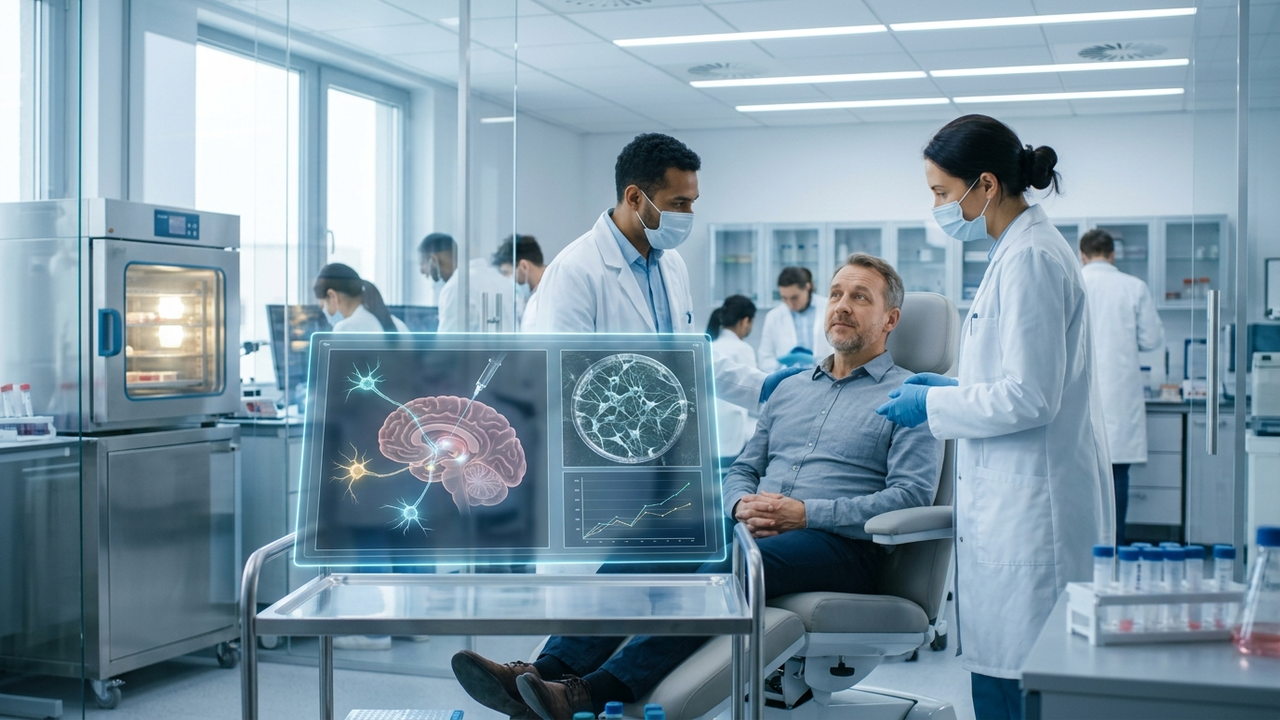
Keck Medicine of USC announced the initiation of a Phase 1 REPLACE™ clinical trial in 2026 for Parkinson’s disease. This pioneering regenerative medicine approach involves transplanting patient-specific iPSC (induced pluripotent stem cell)-derived dopaminergic neural cells (investigational product code: RNDP-001) into the brain to replenish lost dopamine and restore motor function.
Technical/Clinical Details
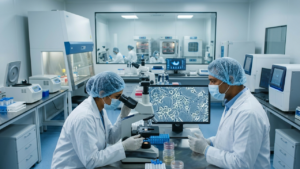
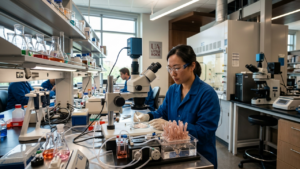
Parkinson’s disease is a progressive neurodegenerative disorder characterized by the degeneration and loss of dopamine-producing neurons in the brain, leading to motor symptoms such as tremor, rigidity, and bradykinesia. Current treatments primarily focus on symptomatic relief, such as administering dopamine precursor drugs, without addressing the underlying disease progression. In the REPLACE™ clinical trial, iPSCs are first generated from the patient’s own adult somatic cells, such as skin cells. The autologous nature of these iPSCs provides a significant advantage by minimizing the risk of immune rejection post-transplantation. Subsequently, these iPSCs are efficiently differentiated into dopamine-producing neural cells under specific culture conditions, prepared as RNDP-001, and verified against stringent quality control standards. The RNDP-001 cells are then surgically transplanted into the dopamine-depleted regions of the brain, primarily the basal ganglia, including the striatum. The primary objective of this Phase 1 trial is to evaluate the safety and tolerability of the transplanted cells, while also carefully monitoring for early efficacy signals, such as improvements in the Unified Parkinson’s Disease Rating Scale (UPDRS) scores. iPSC technology, combining indefinite self-renewal and pluripotency, is considered a highly practical cell source, bypassing the ethical concerns associated with embryonic stem cells.
Background & Context
Parkinson’s disease poses a growing public health burden in aging societies, significantly impairing quality of life, which underscores the urgent need for novel therapeutic developments. Past attempts with fetal brain cell transplantation faced limitations due to ethical and supply issues, preventing widespread implementation. The advent of iPSC technology opened a new avenue to overcome these challenges and enable patient-specific personalized medicine. In Japan, research groups, notably from Kyoto University, have already initiated clinical trials for iPSC-derived dopaminergic neural cell transplantation, attracting global attention. The commencement of this USC trial marks a significant milestone in the development of iPSC-based Parkinson’s treatments in the United States.
Strategic Significance & Outlook
If the initial data from the REPLACE™ clinical trial, particularly the safety profile, proves favorable, it is anticipated to progress to larger Phase 2 and Phase 3 studies. Should this therapy succeed, Parkinson’s patients could potentially benefit from not only symptom alleviation but also the restoration of lost motor function and slowing of disease progression—a truly transformative outcome. iPSC-derived neural cell transplantation holds the potential to fundamentally shift the Parkinson’s disease treatment paradigm and serve as a precedent, accelerating research into other neurodegenerative disorders such as Alzheimer’s disease and ALS.
Source: https://marielaguna.com/parkinsons-stem-cell-breakthrough-usc-ipsc-trial-2026/
Get our weekly technology intelligence — free
Receive an infographic that lets you judge at a glance whether each field’s analysis report is worth reading.
Subscribe Free — Weekly Tech Intelligence
By subscribing, you’ll receive Troy-Technical’s weekly technology intelligence newsletter.
- Your email and selected fields are used only to deliver the newsletter.
- We never share your information with third parties.
- You can unsubscribe anytime via the link in each email.
See our Privacy Policy for details.
Takes about a minute · Unsubscribe anytime



Comments