
Key Findings
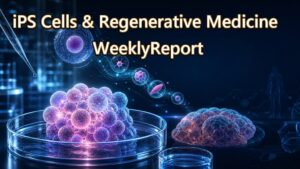
The 6th iPSC Drug Development Summit is convening to discuss the latest advancements and challenges surrounding the clinical and commercial viability of iPSC (induced pluripotent stem cell)-derived therapeutics. This summit aims to accelerate the market translation of iPSC-based treatments by focusing particularly on manufacturability, regulatory alignment, and the establishment of cost-efficient, scalable development models.
Technical/Clinical Details
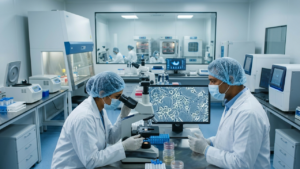
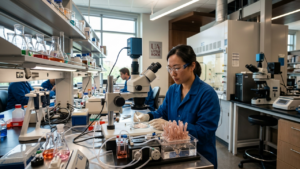
The development of iPSC-derived therapies faces numerous manufacturing complexities as it transitions from fundamental laboratory research to real-world clinical applications. The summit is expected to delve deeply into several technical and clinical aspects. Firstly, automation and scale-up of iPSC manufacturing will be a central discussion point. The shift from labor-intensive, costly manual culture processes to closed, automated systems using technologies like bioreactors is crucial for ensuring product uniformity, consistent quality, and substantial reductions in production costs. Secondly, optimization of differentiation protocols and quality control will be shared, covering advancements in efficiently and purely differentiating iPSCs into specific therapeutic cell types (e.g., neurons, cardiomyocytes, immune cells), along with rigorous GMP (Good Manufacturing Practice) compliant quality control strategies. Furthermore, the development of hypoimmunogenic iPSCs is a critical agenda item, with genetic engineering approaches to mitigate immune rejection risks in allogeneic cell therapies being explored. Updates on clinical trial progress will also be shared, presenting safety and preliminary efficacy data for iPSC-derived therapeutics across multiple disease areas, including Parkinson’s disease, heart failure, diabetes, and various ocular conditions.
Background & Context
iPSC technology is globally recognized as a core technology poised to shape the future of regenerative medicine. However, translating its innovativeness into actual treatments requires addressing not only technical challenges but also multifaceted issues such as regulatory engagement, manufacturing cost optimization, and the establishment of complex supply chains. This summit serves as an essential platform to consolidate collective industry knowledge, share successful case studies, and disseminate best practices for tackling these challenges. As the overall stem cell market continues to expand, iPSCs offer distinct advantages over embryonic stem cells (ESCs) and adult somatic stem cells, notably their ethical superiority and diverse cell source options.
Strategic Significance & Outlook
International conferences like the iPSC Drug Development Summit are indispensable venues for industry stakeholders to collaborate, solve common challenges, and shape future therapies. The discussions are expected to lead to an expansion of the iPSC-derived therapeutic clinical pipeline, streamlined approval processes, and ultimately improved patient access. With advancements in scalable development models and regulatory harmonization, iPSC-based therapeutics are anticipated to become established as a mainstream medical option, holding the potential to transform the lives of countless patients suffering from intractable diseases.
Get our weekly technology intelligence — free
Receive an infographic that lets you judge at a glance whether each field’s analysis report is worth reading.
Subscribe Free — Weekly Tech Intelligence
By subscribing, you’ll receive Troy-Technical’s weekly technology intelligence newsletter.
- Your email and selected fields are used only to deliver the newsletter.
- We never share your information with third parties.
- You can unsubscribe anytime via the link in each email.
See our Privacy Policy for details.
Takes about a minute · Unsubscribe anytime



Comments