Key Findings
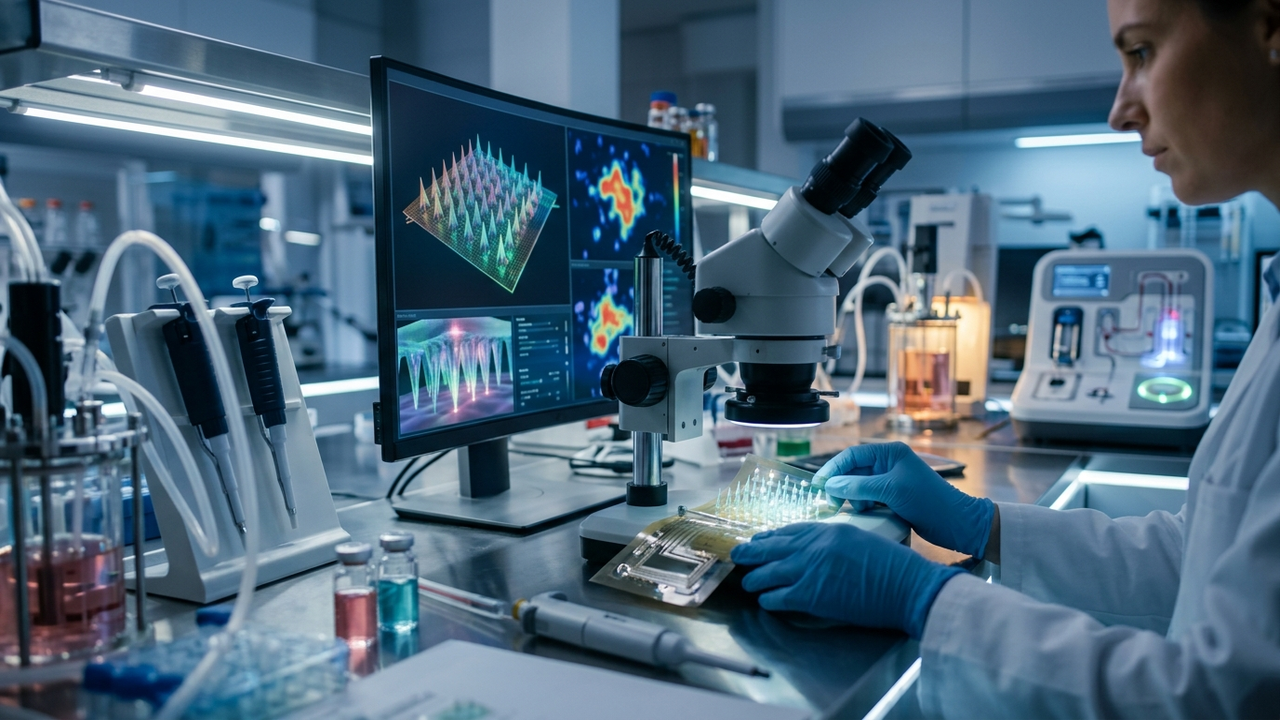
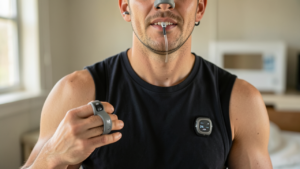
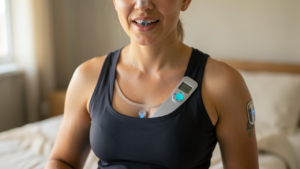
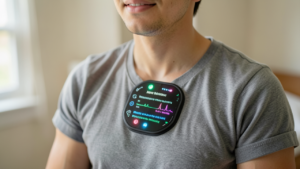
Microneedle (MN) technology is at the forefront of its evolution, projected to transcend its traditional role as a passive transdermal drug delivery platform and transform into a multifunctional integrated system capable of drug administration, biomarker sensing, and real-time health monitoring. This comprehensive review highlights that the strategic fusion of microneedles with wearable biosensors and digital healthcare technologies is expected to enable the continuous analysis of biomarkers present in the skin’s interstitial fluid. This advancement is anticipated to significantly facilitate ultra-early disease detection, the development of personalized treatment strategies tailored to individual patients, and rapid diagnostics performed outside conventional medical settings (Point-of-Care Testing, POCT).
Technical / Clinical Details
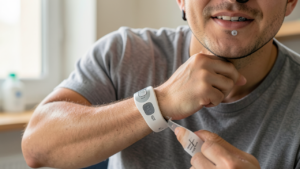
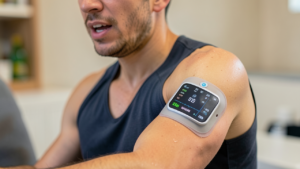
Microneedles typically consist of arrays of microscopic needles, often less than a few hundred micrometers in length, designed to painlessly penetrate the stratum corneum (outermost layer of the skin) and directly access the underlying interstitial fluid. This interstitial fluid contains various biomarkers (e.g., glucose, lactate, electrolytes, specific proteins, drugs) that correlate closely with blood concentrations. MN patches can be engineered to perform both drug delivery and biosensing functions. For biosensing, recognition elements like enzymes or antibodies are incorporated at the MN tips, which react with target biomarkers to generate electrical or optical signals. When fused with wearable biosensors, these signals are collected in real-time and transmitted wirelessly to smartphones or cloud systems. This enables patients to continuously monitor their health status, and clinicians to adjust treatment plans based on objective data. Applications include continuous glucose monitoring for diabetic patients and monitoring of specific drug concentrations in the bloodstream.
Background & Context
Conventional drug delivery methods (injections, oral medications) and diagnostic approaches (blood draws, laboratory tests) are often invasive, uncomfortable for patients, and can lead to compliance issues. Microneedle technology offers a minimally invasive and user-friendly alternative to these challenges. Furthermore, the rising prevalence of chronic diseases and the aging global population are driving the demand for continuous health monitoring and personalized healthcare solutions. Digital healthcare advancements, particularly in AI and IoT (Internet of Things), are enhancing the ability to translate large volumes of data from wearable biosensors into meaningful insights, thereby accelerating the clinical adoption of MN technology. The development in this field is underpinned by interdisciplinary progress in materials science, microfabrication, biochemistry, and information technology.
Strategic Significance & Outlook
Microneedle-based integrated systems are poised to play a central role in the future of healthcare. Future developments are expected to lead to multiplex MN patches capable of simultaneously measuring multiple biomarkers with high accuracy, as well as self-powered and even closed-loop “smart patches” that can autonomously control drug delivery. This could dramatically improve early detection and management of chronic diseases such as diabetes, heart disease, kidney disease, and cancer. The proliferation of POCT diagnostics will enhance healthcare access in remote areas and regions with limited medical resources, contributing to global health initiatives. This technology is expected to be a crucial foundation for advancing patient-centric healthcare and increasing the overall efficiency and sustainability of medical systems globally.
Get our weekly technology intelligence — free
Receive an infographic that lets you judge at a glance whether each field’s analysis report is worth reading.
Subscribe Free — Weekly Tech Intelligence
By subscribing, you’ll receive Troy-Technical’s weekly technology intelligence newsletter.
- Your email and selected fields are used only to deliver the newsletter.
- We never share your information with third parties.
- You can unsubscribe anytime via the link in each email.
See our Privacy Policy for details.
Takes about a minute · Unsubscribe anytime


Comments