Key Findings
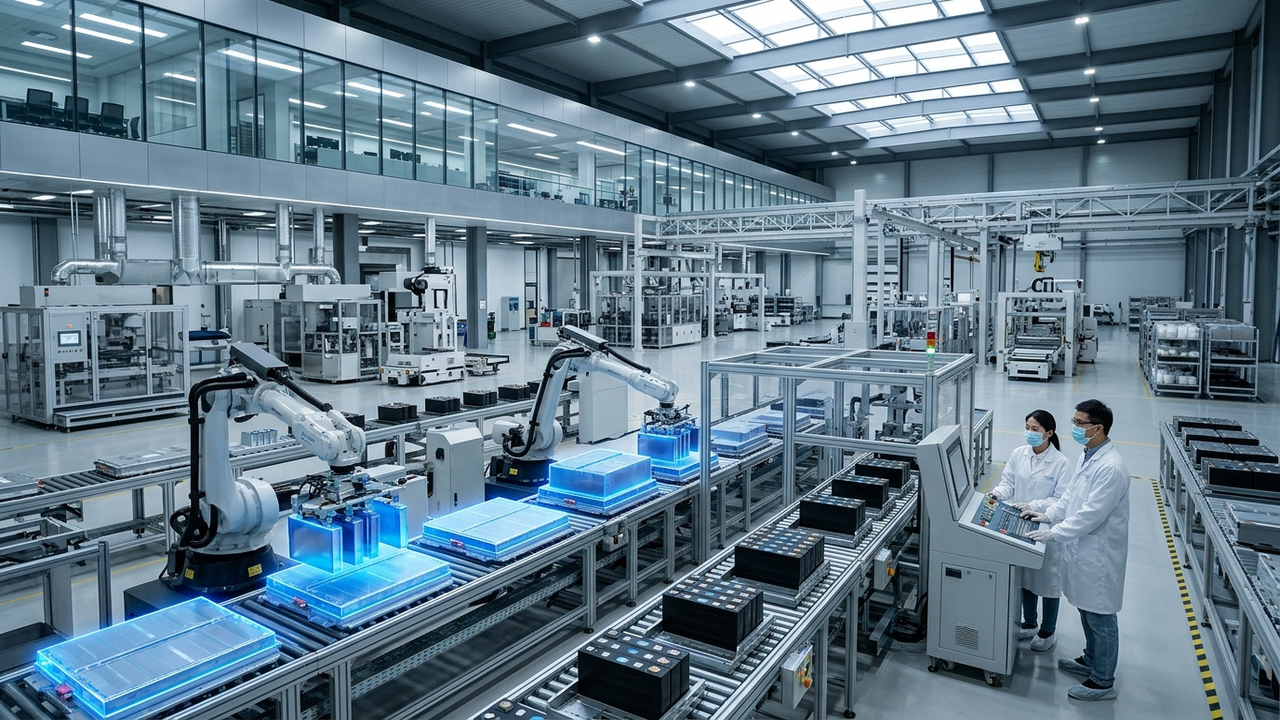
Contemporary Amperex Technology Co. Limited (CATL), the world’s largest EV battery manufacturer based in China, has announced its expectation that the manufacturing cost of sodium-ion batteries will reach parity with lithium iron phosphate (LFP) batteries by the end of 2026. This forecast indicates that sodium-ion batteries (NIBs) are set to become a formidable competitor to LFPs in mainstream battery markets, particularly for electric vehicles (EVs) and large-scale stationary energy storage systems. Leveraging abundant and inexpensive sodium resources, this achievement promises to stabilize battery supply chains and enable sustained cost reductions, thereby creating a groundbreaking impact across the entire battery industry.
Technical / Clinical Details
LFP batteries are widely adopted in entry-level EVs, commercial vehicles, and stationary storage systems due to their excellent safety, long cycle life, and relatively low cost. CATL’s objective is for NIBs to not only match these key advantages of LFP batteries but also achieve cost equivalence. While NIBs typically offer lower energy density than lithium-ion batteries, they present advantages in superior low-temperature performance and faster charging speeds. The attainment of cost parity is anticipated through optimization of electrode materials, streamlining of manufacturing processes, and the realization of economies of scale. CATL is actively developing proprietary high-capacity cathode materials, high-performance anode materials, and optimized electrolyte technologies to narrow the performance gap with LFP batteries while establishing a decisive cost advantage.
Background & Context
The battery industry is currently grappling with rising lithium prices and geopolitical supply risks, driving increased interest in lithium-free alternative technologies. Sodium-ion batteries have been extensively researched for years as a promising alternative to lithium, but their practical application and commercialization have been hindered by challenges in balancing cost and performance. CATL, with its immense production capacity and R&D capabilities, is actively overcoming these hurdles to position NIBs as a core product in the market. Achieving cost parity with LFP batteries means NIBs will no longer be a niche option but a viable solution in the mainstream market, contributing to the diversification and stabilization of battery raw material markets.
Strategic Significance & Outlook
CATL’s achievement of cost parity for sodium-ion batteries with LFP is poised to usher in a new era of competition in the battery industry. This development is expected to accelerate the proliferation of more affordable EVs and enhance the economic viability of large-scale storage projects crucial for renewable energy integration. Consumers will benefit from a wider array of choices and greater stability in battery prices. Furthermore, this shift could stimulate investment in non-lithium resources, potentially leading to a more resilient and sustainable battery supply chain. All eyes will be on how CATL achieves this ambitious goal and how the market responds to these transformative changes.
Get our weekly technology intelligence — free
Receive an infographic that lets you judge at a glance whether each field’s analysis report is worth reading.
Subscribe Free — Weekly Tech Intelligence
By subscribing, you’ll receive Troy-Technical’s weekly technology intelligence newsletter.
- Your email and selected fields are used only to deliver the newsletter.
- We never share your information with third parties.
- You can unsubscribe anytime via the link in each email.
See our Privacy Policy for details.
Takes about a minute · Unsubscribe anytime





Comments