Background
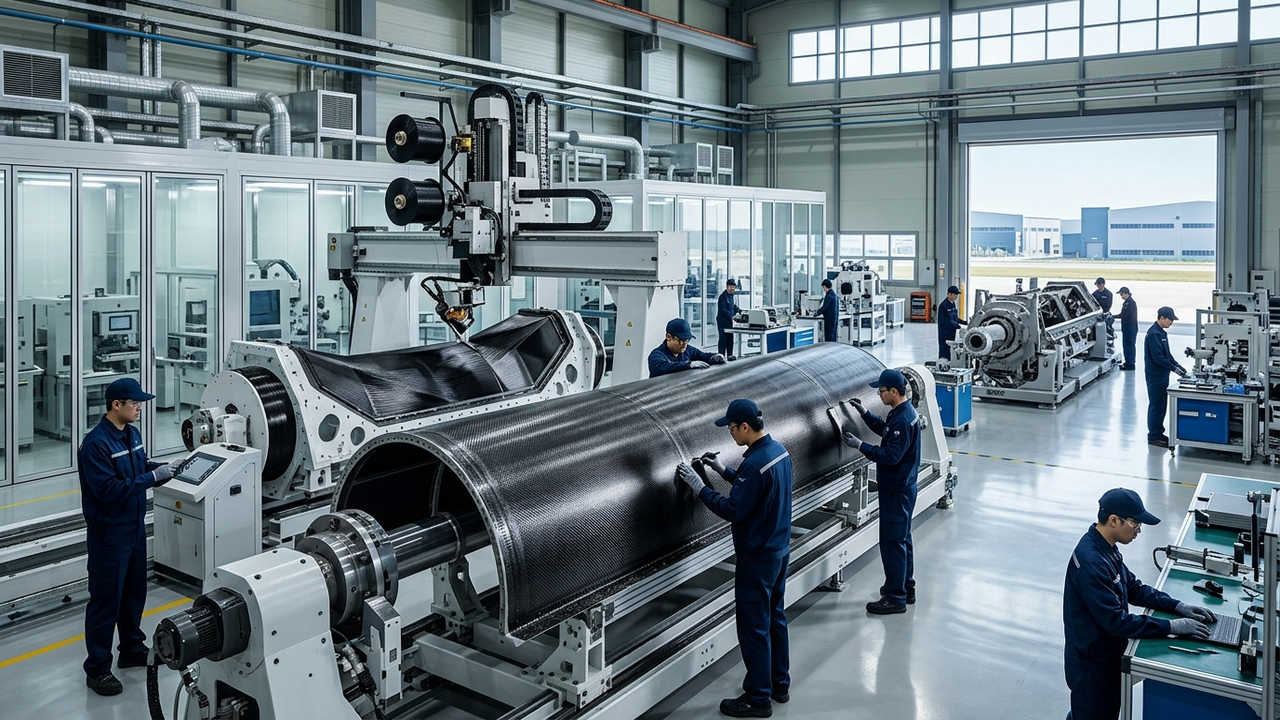
The global space industry is experiencing unprecedented expansion, driven by both ambitious government exploration initiatives and a growing private sector pursuing ventures like satellite internet constellations and space tourism. South Korea is a significant player in this landscape, aggressively advancing its national space development strategy with ambitious goals, including a crewed lunar landing by 2032 and a Mars landing by 2045. This ambitious roadmap fuels an exponential demand for high-performance materials like Carbon Fiber Reinforced Polymers (CFRP), which are critical for achieving the necessary lightweighting and enhanced performance of spacecraft and satellites. Toray Advanced Materials Korea (TAK)’s move into this sector is not merely about material supply; it signifies a strategic commitment to deep engagement within Korea’s nascent space industry ecosystem, fostering technological partnerships crucial for the nation’s self-reliance in space technology.
Key Findings
Toray Advanced Materials Korea (TAK) is poised to aggressively expand its carbon fiber composite materials (CFRP) business to support South Korea’s rapidly growing space industry. This strategic initiative directly addresses the accelerating pace of national space development projects, including the recent establishment of the Korea AeroSpace Administration (KASA), often referred to as Korea’s NASA. TAK’s advanced composite materials are positioned as indispensable components for enabling the next generation of Korean space technology.
Technical Deep Dive
Space applications present an extreme environment, necessitating materials with exceptional reliability and performance characteristics. TAK’s CFRP offerings are engineered to meet these demands, boasting superior specific strength, specific stiffness, inherent lightweight properties, excellent heat resistance, and a low coefficient of thermal expansion. These attributes make them ideal for a broad spectrum of space applications, from primary rocket structures capable of enduring immense launch G-forces, to satellite antennas and panels, and various critical components for deep-space probes operating under severe thermal cycles. TAK plans to leverage its extensive, long-standing expertise in carbon fiber and advanced composite material technology to deliver highly customized material solutions, precisely tailored to the stringent and unique requirements of each customer and mission.
Strategic Implications & Future Outlook
Toray Advanced Materials Korea’s strategic pivot into the space industry’s CFRP market is poised to become a significant new growth engine for the company’s high-performance materials division. TAK plans to deepen collaborations with key stakeholders, including KASA, established defense contractors, and emerging private space ventures across Korea, thereby expanding the application scope of its advanced CFRP solutions in space. This initiative is expected to yield substantial benefits for Korean space technology, including reducing rocket launch costs, extending satellite operational lifespans, and enhancing the performance of future space probes. Furthermore, this move is a critical step in establishing TAK’s robust presence within the global space industry. Looking ahead, TAK’s advanced composite materials are anticipated to play a pivotal role in even more ambitious future projects, from the construction of lunar bases to manned Mars exploration missions.
Source: https://chemicaldaily.com/archives/845051
Get our weekly technology intelligence — free
Receive an infographic that lets you judge at a glance whether each field’s analysis report is worth reading.
Subscribe Free — Weekly Tech Intelligence
By subscribing, you’ll receive Troy-Technical’s weekly technology intelligence newsletter.
- Your email and selected fields are used only to deliver the newsletter.
- We never share your information with third parties.
- You can unsubscribe anytime via the link in each email.
See our Privacy Policy for details.
Takes about a minute · Unsubscribe anytime







Comments