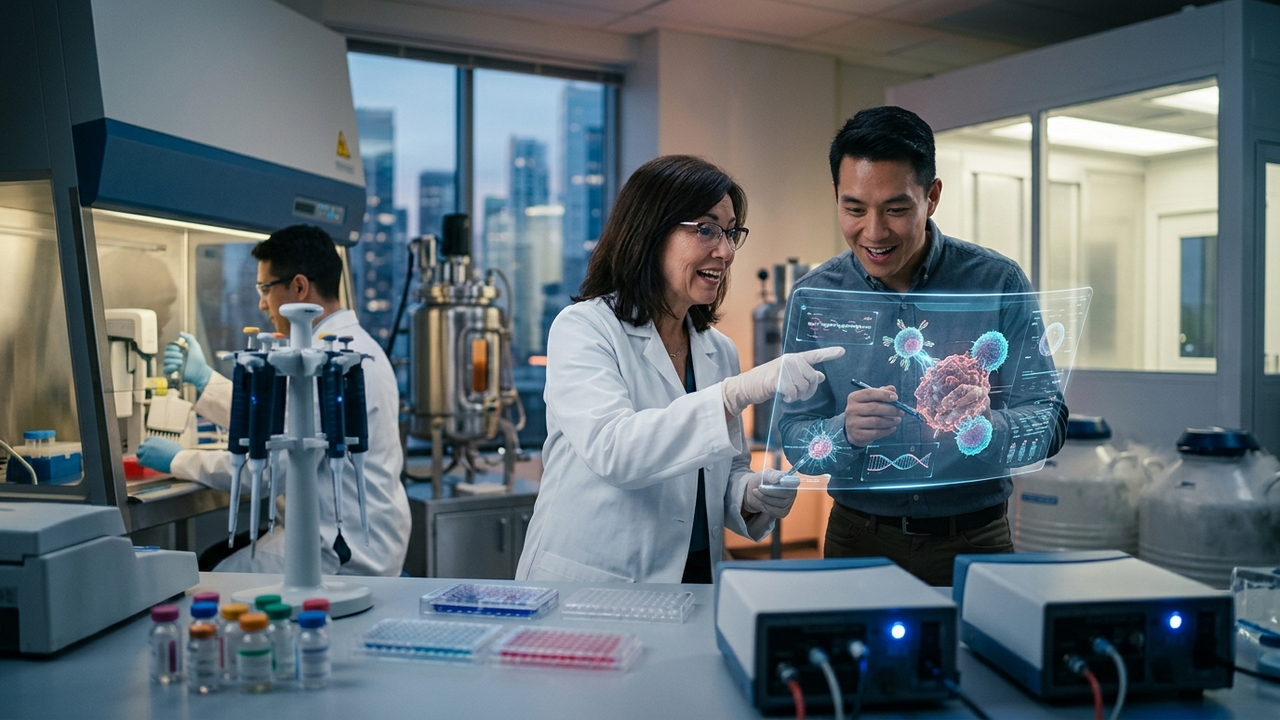
Key Finding: T-MAXIMUM’s Allogeneic CAR T-Therapy MT027 Granted FDA Fast Track Designation for Recurrent Glioblastoma
T-MAXIMUM PHARMACEUTICAL announced that its B7-H3-targeted allogeneic CAR T-cell therapy, MT027, has received Fast Track Designation (FTD) from the U.S. Food and Drug Administration (FDA) for the treatment of recurrent glioblastoma. This designation is intended to expedite the development and review of innovative therapies for serious conditions.
Technical & Clinical Details: Advancing Allogeneic CAR T for Intracranial Solid Tumors
MT027 is an allogeneic CAR T-cell therapy targeting B7-H3, a tumor-associated antigen widely expressed in intracranial solid tumors. Unlike autologous therapies that use a patient’s own cells, allogeneic CAR T-cell therapies can be manufactured in advance from healthy donor cells and stored, allowing for “off-the-shelf” availability. This offers significant advantages, including reduced manufacturing complexity and rapid patient supply. MT027 previously received Orphan Drug Designation for recurrent high-grade glioma and approval to conduct a Phase II clinical trial in recurrent glioblastoma. The granting of FTD accelerates the development process, with the expectation of earlier access for glioblastoma patients who have high unmet needs.
Background & Industry Context: Hopes for a Glioblastoma Treatment Breakthrough
Glioblastoma is one of the most aggressive brain tumors, with a very poor prognosis using existing treatments, thus demanding new therapeutic options. Treating brain tumors presents numerous challenges, such as the blood-brain barrier impeding CAR T-cell infiltration. MT027’s targeting of B7-H3 and its development as an allogeneic CAR T-cell therapy hold the potential to overcome these obstacles. The FDA’s FTD indicates that this therapy is recognized as addressing unmet medical needs and has the potential to offer substantial clinical benefits.
Future Outlook: Accelerated Global Development and Market Entry
The FTD status will significantly accelerate the global clinical development of MT027. It will enable closer collaboration with the FDA, facilitating faster data collection and review processes. The progress of MT027’s clinical trials and the public release of data will be closely watched. If successful, allogeneic CAR T-cell therapy could revolutionize the treatment of intracranial solid tumors, potentially launching as a groundbreaking therapy to improve prognosis for glioblastoma patients. This marks a critical step for cell therapeutics in establishing a new treatment paradigm in the challenging field of solid tumors, particularly brain cancers.
Get our weekly technology intelligence — free
Receive an infographic that lets you judge at a glance whether each field’s analysis report is worth reading.
Subscribe Free — Weekly Tech Intelligence
By subscribing, you’ll receive Troy-Technical’s weekly technology intelligence newsletter.
- Your email and selected fields are used only to deliver the newsletter.
- We never share your information with third parties.
- You can unsubscribe anytime via the link in each email.
See our Privacy Policy for details.
Takes about a minute · Unsubscribe anytime




Comments