
Background
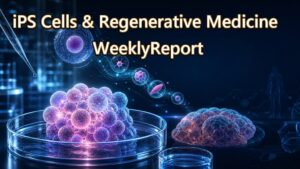
Induced Pluripotent Stem Cells (iPSCs) are hailed as a cornerstone of future regenerative medicine, offering versatile platforms for disease modeling, drug screening, and cell replacement therapies. However, transitioning these promising therapies from preclinical stages to widespread clinical use and commercial viability presents a unique set of hurdles. These challenges extend beyond scientific efficacy to encompass regulatory pathways, manufacturing scalability, and patient accessibility.
Key Findings
- The primary challenges for commercializing iPSC-based therapeutics include achieving regulatory compliance and ensuring broad patient accessibility.
- A significant issue is that many iPSC therapies originate in academic settings, where initial process design often does not account for large-scale production or rigorous regulatory requirements.
- While the U.S. FDA has implemented pathways to offer a more rapid approval timeline for iPSC programs, the development of a robust and scalable manufacturing process remains absolutely critical even after initial approval to ensure therapies can reach patients.
- Innovation, particularly through gene editing, is highlighted as a key enabler for improving therapeutic accessibility, such as by producing low-immunogenicity cell lines that can overcome transplantation challenges.
Significance & Outlook
The successful commercialization of iPSC therapeutics demands a paradigm shift from purely research-driven development to a strategy deeply integrated with manufacturing and regulatory considerations from the earliest stages. The disconnect between academic origins and commercial realities underscores the need for “design for manufacturability” principles to be embedded early on. Expedited regulatory pathways are beneficial, but their full potential can only be realized if manufacturing bottlenecks are proactively addressed. The development of low-immunogenicity iPSC lines through gene editing represents a transformative technological advance that could unlock “off-the-shelf” allogeneic therapies, dramatically improving patient access and reducing treatment costs. Future success in this sector will depend on seamless collaboration between researchers, developers, and regulators to build scalable, compliant, and accessible manufacturing ecosystems for these complex, life-changing therapies.
Get our weekly technology intelligence — free
Receive an infographic that lets you judge at a glance whether each field’s analysis report is worth reading.
Subscribe Free — Weekly Tech Intelligence
By subscribing, you’ll receive Troy-Technical’s weekly technology intelligence newsletter.
- Your email and selected fields are used only to deliver the newsletter.
- We never share your information with third parties.
- You can unsubscribe anytime via the link in each email.
See our Privacy Policy for details.
Takes about a minute · Unsubscribe anytime




Comments