Key Findings
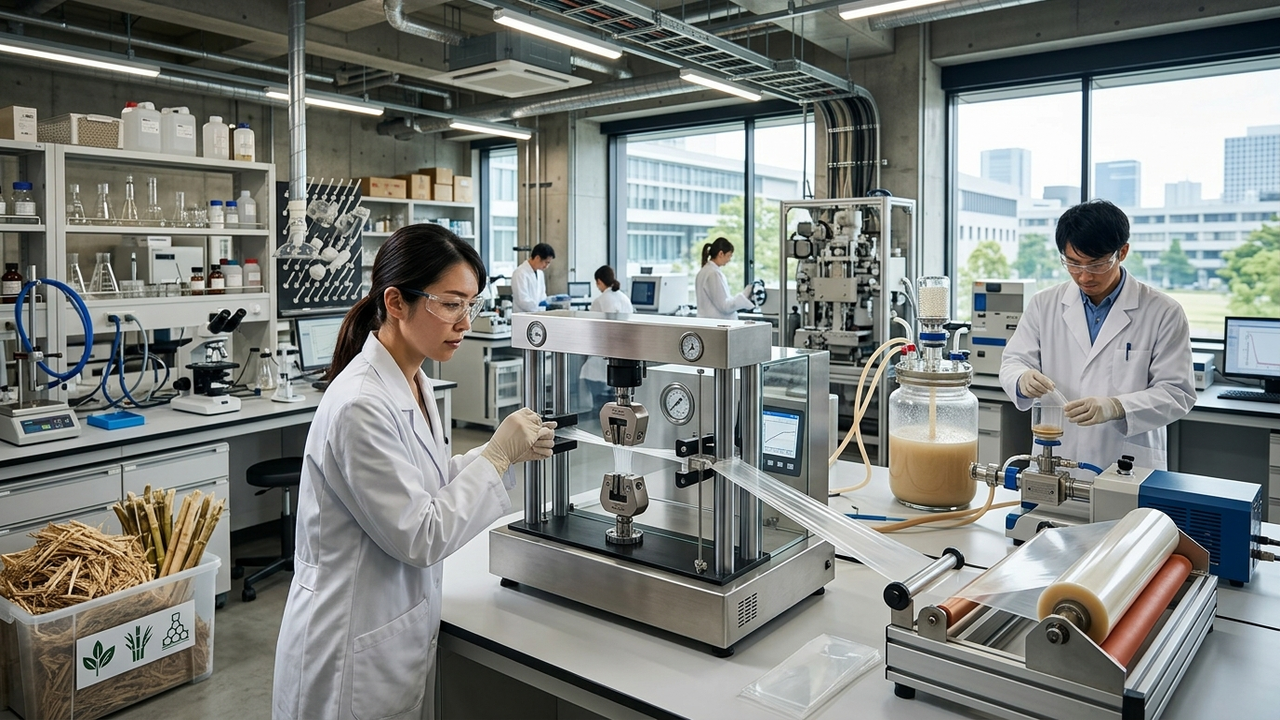
Sugarcane waste, specifically bagasse, has been successfully valorized into biodegradable nanocellulose-reinforced films that demonstrate a tensile strength exceeding 70 megapascals (MPa). This strength is comparable to that of low-density polyethylene (LDPE), positioning these films as a highly promising sustainable alternative to conventional plastic packaging materials.
Technical / Clinical Details
The innovative process involves extracting nanocellulose from sugarcane bagasse to form the foundational matrix of the film. The high crystallinity and intricate networking of nanocellulose fibers impart exceptional mechanical strength to the film. Beyond its robust mechanical properties, the film exhibits enhanced water vapor barrier characteristics, making it effective for protecting contents from moisture. Furthermore, it possesses an inherent resistance to oils and greases, broadening its potential applications, particularly in food packaging. Unlike traditional plastic packaging, which persists in the environment for centuries and contributes to microplastic pollution, these nanocellulose films are biodegradable, significantly reducing their environmental footprint.
Background & Context
Plastic pollution represents one of the most urgent global environmental crises, with an escalating demand for sustainable alternatives to single-use plastic packaging. Sugarcane bagasse, an abundant agricultural waste product generated annually, offers a valuable resource for circular economy initiatives. While biodegradable plastics have been developed previously, they often suffered from inadequate mechanical strength or barrier properties, limiting their practical utility. This development of nanocellulose-reinforced films addresses these performance shortfalls, establishing a viable pathway for practical substitutes.
Strategic Significance & Outlook
This biodegradable nanocellulose-reinforced film is poised to make a substantial impact in the market for eco-friendly packaging materials. Although challenges related to production costs and scalability currently exist, ongoing research and process optimization are expected to overcome these hurdles. Future efforts will likely focus on refining commercial manufacturing processes and developing applications for films with diverse shapes and functionalities. Widespread adoption of this technology could displace traditional plastics in numerous sectors, including food packaging, medical packaging, and disposable tableware, thereby contributing significantly to mitigating the global plastic pollution crisis.
Get our weekly technology intelligence — free
Receive an infographic that lets you judge at a glance whether each field’s analysis report is worth reading.
Subscribe Free — Weekly Tech Intelligence
By subscribing, you’ll receive Troy-Technical’s weekly technology intelligence newsletter.
- Your email and selected fields are used only to deliver the newsletter.
- We never share your information with third parties.
- You can unsubscribe anytime via the link in each email.
See our Privacy Policy for details.
Takes about a minute · Unsubscribe anytime







Comments