Key Findings
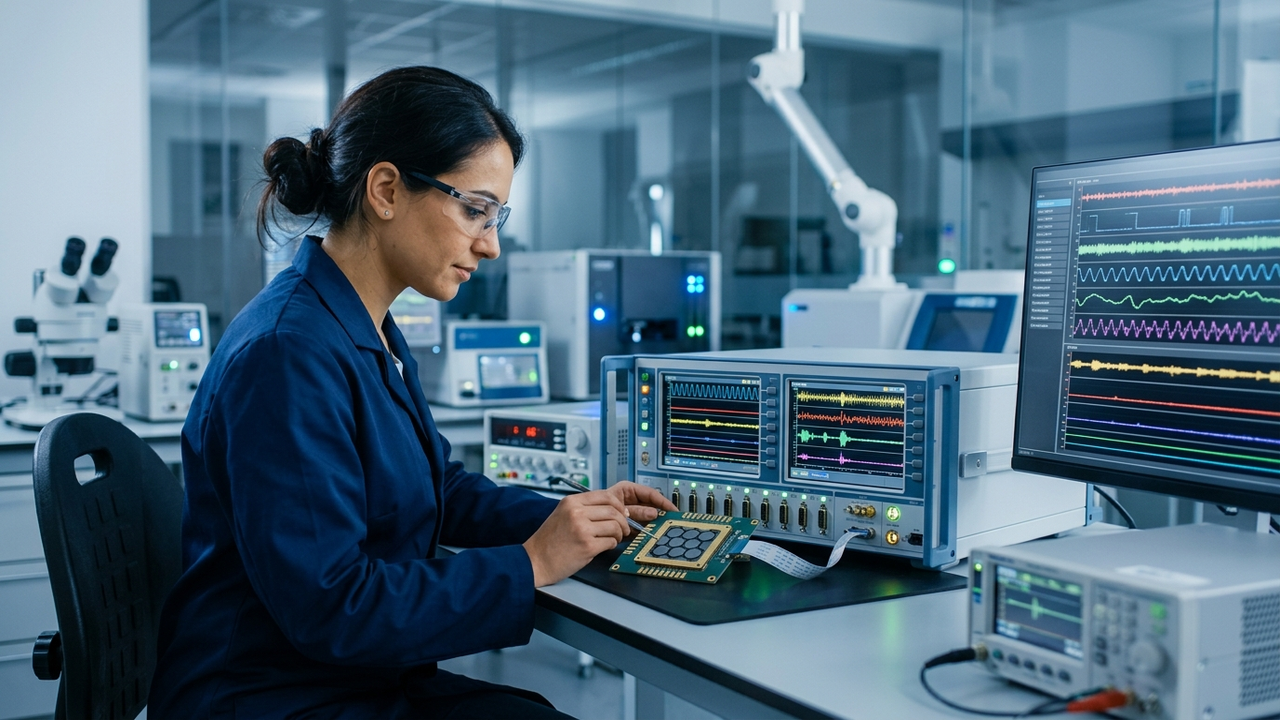
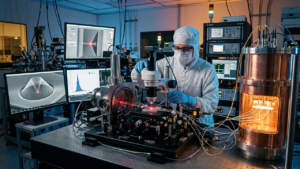
Paragraf, a pioneer in graphene electronics, has unveiled two groundbreaking new products for researchers and diagnostic developers: the 12-channel Graphene Field Effect Transistor (GFET) platform, designated ‘PMF2002’, and the ‘Enterprise Reader’, a data acquisition system offering direct electronic readout and real-time analysis. This simultaneous launch is set to accelerate the development of graphene-based sensors and diagnostic devices, marking a significant advancement in the nanotechnology sector.
Technical & Clinical Details
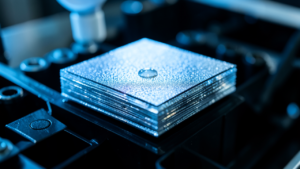
The ‘PMF2002’ platform provides a highly sensitive, multi-channel GFET array, enabling precise measurements for a variety of applications, including biomolecule detection, gas sensing, and environmental monitoring. Graphene, with its high electron mobility and exceptional surface-area-to-volume ratio, offers superior sensitivity, capable of detecting even trace amounts of target analytes. The ‘Enterprise Reader’ complements this by providing real-time data collection and analysis from the GFET platform, facilitating rapid experimental results and data interpretation. Both products are manufactured at Paragraf’s world-first device foundry dedicated to graphene and 2D material electronics in Huntingdon, UK, ensuring high quality and reproducibility.
Background & Context
Graphene-based sensor technologies offer numerous advantages over traditional silicon-based sensors, including higher sensitivity, smaller footprint, lower power consumption, and flexibility. In the field of biodiagnostics, in particular, they hold the potential to contribute to early disease detection and advancements in personalized medicine. For environmental and industrial sensing applications, real-time, high-precision monitoring is crucial for enhancing safety and optimizing processes. Paragraf’s new platform is expected to accelerate R&D in these areas and further advance the commercialization of graphene electronics.
Strategic Significance & Outlook
This integrated platform from Paragraf empowers research institutions and biotechnology companies to rapidly prototype and test graphene devices. This will shorten development cycles for new diagnostic methods and sensor technologies, accelerating their market introduction. Broad applications are anticipated across various fields, including the discovery of new biomarkers in life sciences, the enhancement of industrial IoT device functionalities, and the precise detection of environmental pollutants. Paragraf aims to maximize the potential of graphene, often referred to as a ‘wonder material’, and contribute to the advancement of next-generation electronics.
Get our weekly technology intelligence — free
Receive an infographic that lets you judge at a glance whether each field’s analysis report is worth reading.
Subscribe Free — Weekly Tech Intelligence
By subscribing, you’ll receive Troy-Technical’s weekly technology intelligence newsletter.
- Your email and selected fields are used only to deliver the newsletter.
- We never share your information with third parties.
- You can unsubscribe anytime via the link in each email.
See our Privacy Policy for details.
Takes about a minute · Unsubscribe anytime



Comments