Key Findings
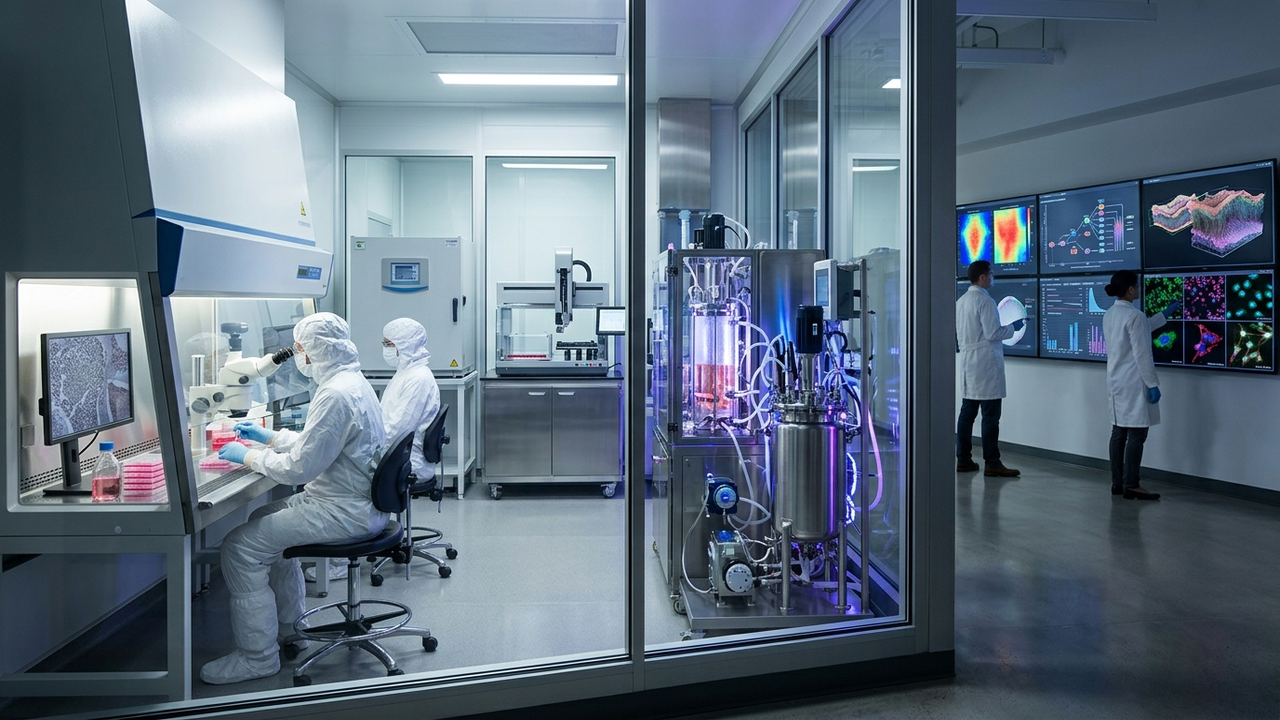
Induced pluripotent stem cell (iPSC)-derived regenerative therapies are rapidly establishing retinal diseases as a pivotal proving ground for next-generation treatments. A report from BioProcess International highlights that advancements in iPSC technology are successfully overcoming long-standing challenges in cellular therapeutic commercialization, particularly regarding scalable manufacturing, stringent quality control, and regulatory compliance. This positions iPSCs to bridge the gap between scientific innovation and tangible patient benefits, with retinal disorders at the forefront of this regenerative medicine revolution.
Technical/Clinical Details
- Scalable Manufacturing: iPSC technology facilitates scalable manufacturing processes capable of producing large quantities of uniform, high-quality cells. This establishes a critical foundation for consistently supplying the cell volumes required for therapeutic applications.
- Master Cell Bank (MCB) Establishment: The use of iPSCs simplifies the creation of master cell banks, which are indispensable for ensuring the quality and safety of regenerative medicine products. This capability is vital for reducing batch-to-batch variability and guaranteeing product consistency.
- Robust Quality Control Systems: iPSC manufacturing allows for the implementation of rigorous quality control systems comparable to those found in modern biopharmaceutical production. Extensive quality assessments, including genetic stability, sterility, and differentiation potential, are routinely performed.
- Retinal Disease Suitability: The retina’s accessibility and the relative ease of evaluating cell transplantation outcomes make it an ideal target for the development and clinical testing of iPSC-derived therapies. This accelerates the development cycle and allows for earlier assessment of clinical significance, particularly for conditions like age-related macular degeneration.
Background & Context
For many years, the regenerative medicine sector has grappled with significant hurdles related to cell source availability, manufacturing complexity, and high costs. Autologous cell therapies, being personalized, have often faced difficulties in scaling production and tend to be expensive. iPSCs, with their inherent capacity for indefinite proliferation and differentiation into various cell types, have long been considered a promising solution. The current analysis indicates that iPSC technology is now maturing to overcome these challenges, preparing to integrate into mainstream biopharmaceutical manufacturing.
Strategic Significance & Outlook
Successful deployment of iPSC-derived therapies in retinal diseases is expected to pave the way for applications in other complex regenerative medicine fields, such as neurodegenerative and cardiac disorders. The establishment of scalable manufacturing processes and validated quality control frameworks offers a versatile blueprint for broader therapeutic use. Favorable clinical trial outcomes in retinal diseases would accelerate the transformation of regenerative medicine, bringing hope to a greater number of patients suffering from currently untreatable conditions. For investors and engineers, this trend signals expanding opportunities in manufacturing technologies and quality control solutions for the cell and gene therapy sector.
Get our weekly technology intelligence — free
Receive an infographic that lets you judge at a glance whether each field’s analysis report is worth reading.
Subscribe Free — Weekly Tech Intelligence
By subscribing, you’ll receive Troy-Technical’s weekly technology intelligence newsletter.
- Your email and selected fields are used only to deliver the newsletter.
- We never share your information with third parties.
- You can unsubscribe anytime via the link in each email.
See our Privacy Policy for details.
Takes about a minute · Unsubscribe anytime






Comments