Key Findings: PhD Programs Launch to Drive Bioprocess Innovation with AI/ML and Digital Twins
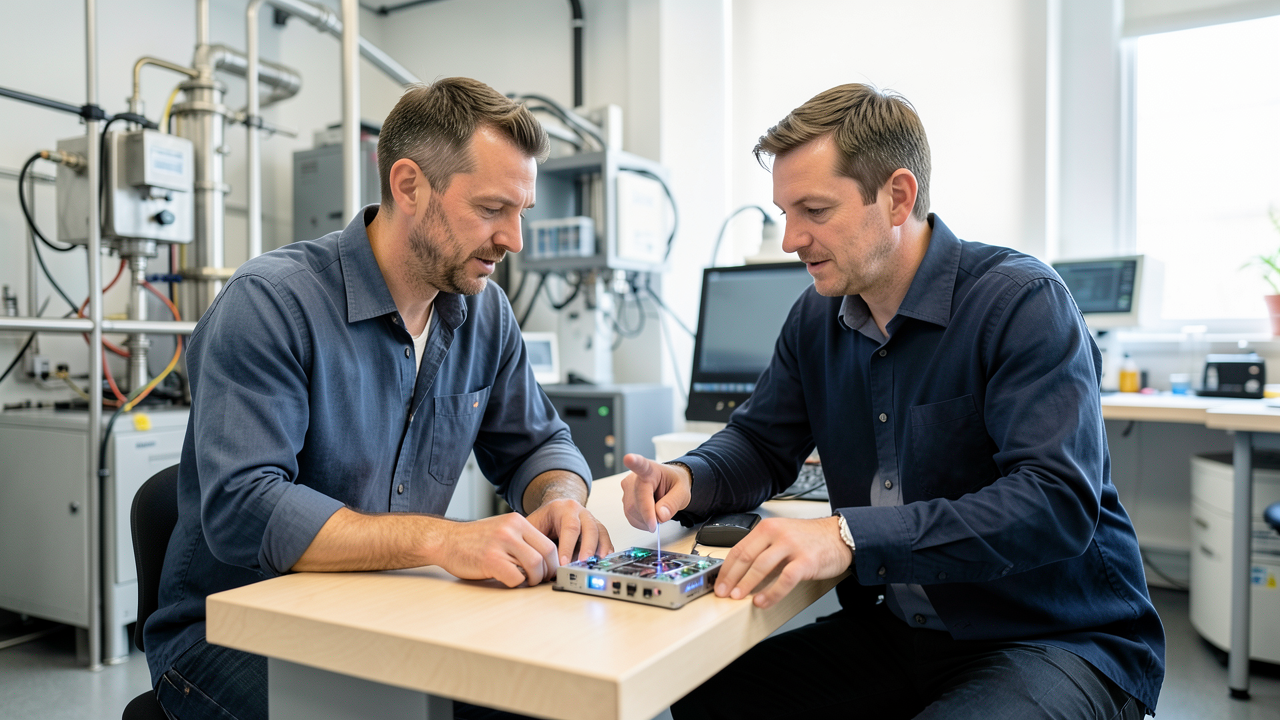
The Norwegian University of Life Sciences (NMBU) and University College Dublin (UCD) have announced several PhD scholarship programs designed to advance bioprocess digitalization using AI/Machine Learning (ML) frameworks. These initiatives aim to revolutionize microbial lipid production and the design of novel biomanufacturing processes by integrating AI-driven digital twins for process optimization.
Technical / Clinical Details
- NMBU’s “fermentAtIon” Project:
- **Objective:** Optimize microbial lipid production through AI-controlled fermentation.
- **Technological Focus:** Development of AI-driven digital twins for real-time fermentation monitoring, predictive modeling, and advanced control systems. This approach seeks to reduce batch-to-batch variability and maximize production efficiency.
- **Application:** Targets microbial-based lipid production, which is crucial for sustainable alternative resources in food, feed, and biofuel industries.
- UCD Project:
- **Objective:** Design novel downstream biomanufacturing processes using a combination of generative AI, ML, and Computational Fluid Dynamics (CFD).
- **Technological Focus:** AI and ML will streamline traditional trial-and-error process development, while CFD simulates physical phenomena to accelerate the design and optimization of purification and separation steps.
- **Application:** Critical for enhancing the efficiency and cost-effectiveness of biopharmaceutical and bio-based product manufacturing.
Background & Context
The biomanufacturing sector faces persistent challenges including process complexity, scalability issues, and high operational costs. Biological processes like cell culture and fermentation are particularly susceptible to numerous influencing parameters, making consistent reproducibility and efficiency difficult. AI and digital twin technologies are emerging as powerful tools to address these challenges, offering significant potential to enhance process robustness and productivity through real-time data analysis, predictive modeling, and automated control.
These programs underscore Europe’s strategic commitment to fostering a sustainable bioeconomy. By cultivating a new generation of bioprocess engineers and researchers, these initiatives are poised to strengthen the region’s innovation ecosystem and leadership in advanced biomanufacturing technologies.
Strategic Significance & Outlook
Successful execution of these research programs promises substantial benefits, including reduced costs and increased productivity in microbial lipid production, accelerating the shift towards sustainable resources. Furthermore, the optimization of downstream processes through generative AI will directly contribute to shorter development timelines and lower manufacturing costs for biopharmaceuticals, making innovative therapies more accessible. This focus on AI/ML and digital twins in biomanufacturing represents a critical trend for researchers, engineers, and investors, signaling a future where advanced digital tools drive efficiency and innovation in the bio-industrial landscape.
Get our weekly technology intelligence — free
Receive an infographic that lets you judge at a glance whether each field’s analysis report is worth reading.
Subscribe Free — Weekly Tech Intelligence
By subscribing, you’ll receive Troy-Technical’s weekly technology intelligence newsletter.
- Your email and selected fields are used only to deliver the newsletter.
- We never share your information with third parties.
- You can unsubscribe anytime via the link in each email.
See our Privacy Policy for details.
Takes about a minute · Unsubscribe anytime







Comments