Background: The Rise of Sodium-Ion Batteries
The global energy storage landscape has long been dominated by lithium-ion battery technology. However, increasing concerns over the cost volatility and geopolitical concentration of lithium and cobalt resources, alongside the inherent safety challenges of high-energy lithium-ion cells, have spurred intensive research into alternative chemistries. Sodium-ion batteries (SIBs), leveraging abundant and inexpensive sodium, have emerged as a highly promising candidate for next-generation energy storage solutions, particularly for applications where cost-effectiveness and safety are paramount. Chinese battery giant CATL has been at the forefront of this commercialization push.
Key Developments and Technical Achievements
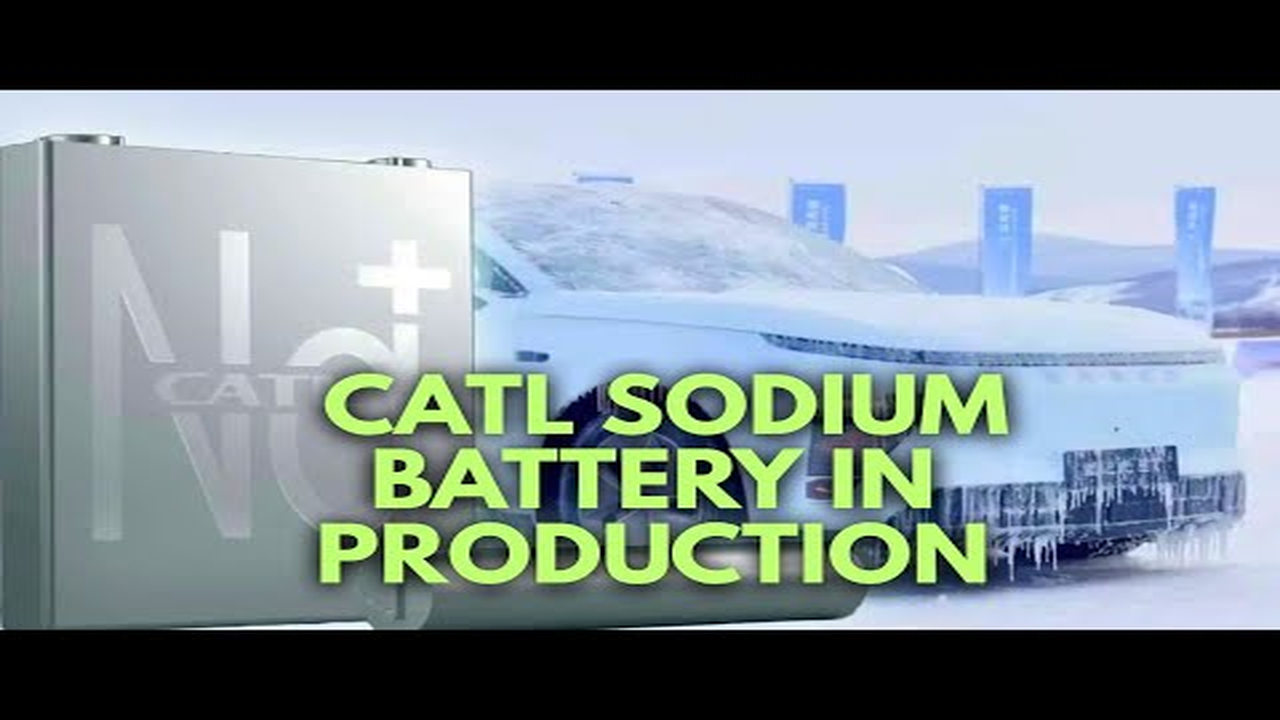
CATL has unveiled comprehensive details and commenced mass production of its advanced sodium-ion battery platform, “Naxtra.” The Naxtra battery cells have achieved an impressive energy density of 175 Wh/kg, marking the highest figure for mass-produced SIBs to date. This performance metric notably exceeds that of some conventional Lithium Iron Phosphate (LFP) cells, including BYD’s Blade Battery.
- Automotive Integration: The first mass-produced passenger EV to feature this technology is the Changan Nevo A06, co-developed by Changan Automobile and CATL, launched in early 2026. Another GAC Aion model is also slated for Naxtra cell integration in Q2 2026. The Changan Nevo A06, equipped with a 45 kWh sodium-ion battery pack, offers a driving range exceeding 400 km.
- Commercial Scale-Up: CATL has secured a substantial 60 GWh supply contract for sodium-ion energy storage systems with Beijing HyperStrong. HyperStrong, a key partner, announced overcoming critical production bottlenecks by late 2026, enabling large-scale manufacturing.
- Performance and Safety: Naxtra cells are designed to meet China’s stringent EV battery safety standard GB 38031-2025, ensuring superior fire safety. They also exhibit excellent environmental adaptability and robust low-temperature performance, maintaining significant capacity even in sub-zero conditions, which is crucial for broad deployment.
- Investment and Capacity Expansion: To support the escalating demand and commercial rollout, CATL is investing approximately $735 million to significantly expand its production capacity for sodium-ion batteries, having already secured orders totaling 60 GWh.
Technical Significance and Outlook
The successful commercialization and high energy density of CATL’s Naxtra platform underscore a pivotal shift in the battery industry. SIBs offer a compelling alternative to LFP batteries, particularly for entry-to-mid-range EVs, urban mobility solutions, and stationary energy storage systems, where cost, safety, and broad operational temperature ranges are critical. The reduced reliance on constrained lithium resources mitigates supply chain risks and offers a pathway to more sustainable battery production.
China’s rapid advancement in SIB technology leadership is set to accelerate the global diversification of battery chemistries and propel the transition towards a more resilient and environmentally friendly energy infrastructure. The ability of Naxtra to deliver competitive energy density and performance at a lower cost positions sodium-ion batteries as a significant player in the future of electrified transport and grid-scale storage.





Comments