
Key Findings
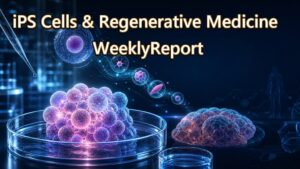
This article summarizes a market research report published by BioInformant, titled “The Pipeline for iPSC-Derived Cell Therapeutics in 2026.” The report provides a comprehensive overview of the current landscape of induced pluripotent stem cell (iPSC)-derived cell therapeutics, analyzing the progress and remaining hurdles for broader clinical application. While iPSCs are widely utilized in disease modeling and drug discovery, their transition into widely available patient therapies still faces significant challenges, particularly regarding safety and scalability.
Technical and Clinical Details
The BioInformant report highlights that although iPSCs are foundational for disease modeling and drug discovery, a considerable journey remains before iPSC-derived cell types achieve widespread patient use. Leading companies in this space, including Fate Therapeutics, Exacis Biotherapeutics, Ernexa Therapeutics, and FUJIFILM Cellular Dynamics, are actively developing a diverse range of iPSC-derived cell therapies, such as NK cells, CAR-T cells, and iMSCs. The report underscores that critical parameters like tumorigenicity (the potential to form tumors), dose toxicity, and immunogenicity (the propensity to elicit an immune response) must be thoroughly assessed and understood in ongoing and future clinical trials. These safety considerations are paramount for regulatory approval and successful commercialization, differentiating iPSC-derived products from other advanced therapies.
Background and Industry Context
The regenerative medicine sector is rapidly expanding, with iPSCs positioned as a versatile source for various cell types that could revolutionize treatments for degenerative diseases, cancers, and autoimmune disorders. The ability of iPSCs to proliferate indefinitely and differentiate into virtually any cell type makes them an attractive universal starting material for allogeneic cell therapies, which can be manufactured at scale and supplied off-the-shelf. However, controlling differentiation purity, ensuring genetic stability during expansion, and mitigating immune rejection remain active areas of research. Regulatory bodies globally are developing frameworks to guide the development and approval of these complex therapies, with safety being a primary concern for both regulators and developers. The insights from BioInformant’s report provide valuable context for investors and pharmaceutical companies navigating this innovative but technically demanding therapeutic landscape.
Strategic Significance and Outlook
The report’s emphasis on safety parameters like tumorigenicity, dose toxicity, and immunogenicity serves as a crucial guide for companies aiming to advance their iPSC-derived cell therapy candidates. Overcoming these challenges through robust preclinical and clinical data will be key to gaining regulatory approval and commercial success. The ongoing efforts by leading firms to address these issues signify a maturing field, with an increasing focus on translating early-stage promise into viable, safe, and effective treatments. Strategic investments in manufacturing scalability and quality control will also be vital to ensure these therapies can reach a broad patient population. The long-term outlook for iPSC-derived therapeutics remains promising, contingent upon addressing these critical developmental hurdles effectively.
Source: https://bioinformant.com/ipsc-derived-cell-therapeutics/
Get our weekly technology intelligence — free
Receive an infographic that lets you judge at a glance whether each field’s analysis report is worth reading.
Subscribe Free — Weekly Tech Intelligence
By subscribing, you’ll receive Troy-Technical’s weekly technology intelligence newsletter.
- Your email and selected fields are used only to deliver the newsletter.
- We never share your information with third parties.
- You can unsubscribe anytime via the link in each email.
See our Privacy Policy for details.
Takes about a minute · Unsubscribe anytime




Comments