Key Findings
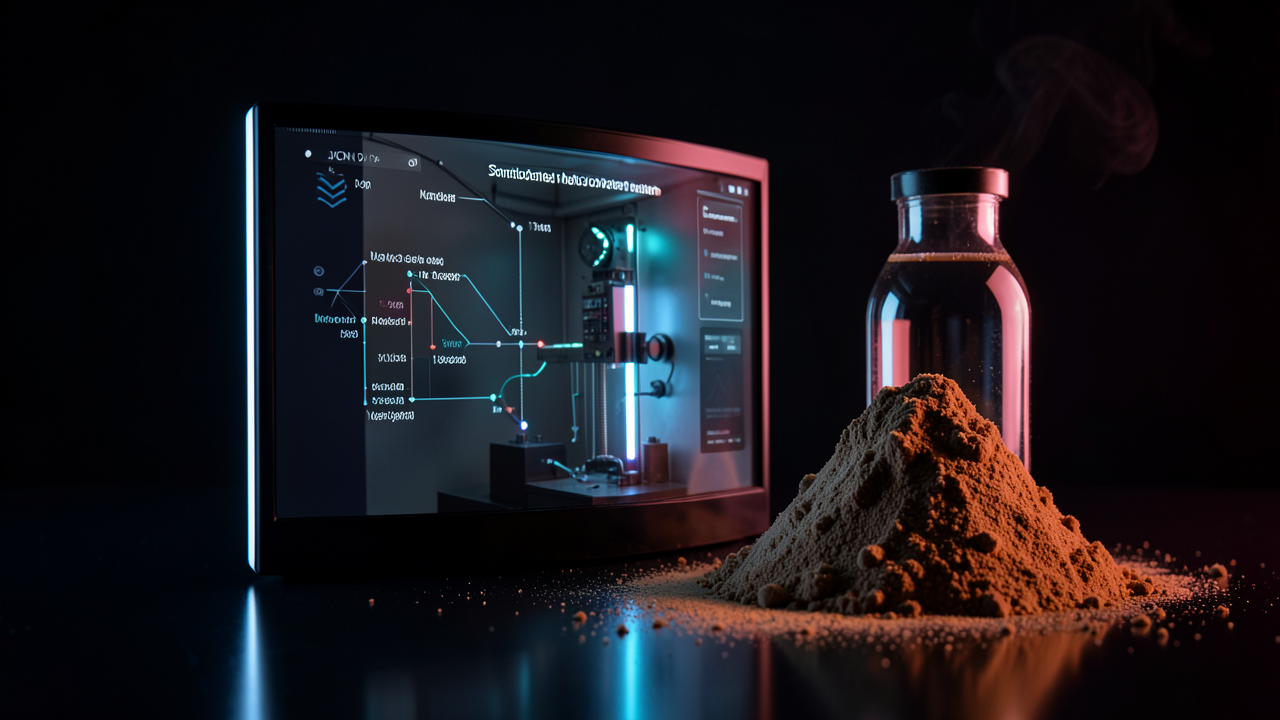
In the field of materials science, four domain-expert-reviewed JSON schemas have been released to describe experimental and simulation processes for Atomic Layer Deposition (ALD) and Atomic Layer Etching (ALE). This standardized data description method aims to help researchers structure and easily share their experimental and simulation data. This initiative is expected to enhance the comparability of scientific literature, promote data-driven research including machine learning applications, and significantly shorten the development cycle for new materials and processes, especially within the semiconductor industry.
Technical / Clinical Details
The published JSON schemas comprehensively define the main components that constitute ALD and ALE processes, such as the precursor materials used, reaction temperature, pressure, number of cycles, substrate type, deposition/etching rates, and characterization results of the films. Each schema focuses on the following four key aspects:
- Materials: Identifiers, purity, and delivery methods for all chemicals used (precursors, reaction gases, carrier gases).
- Process Conditions: Temperature, pressure, flow rates, pulse times, and cycle sequences within the reaction chamber.
- Configuration: Experimental setup, reactor type, and substrate preparation status.
- Results: Measured film thickness, composition, crystal structure, electrical properties, and simulated predicted values.
These schemas enable the efficient exchange and integration of ALD/ALE data generated by different research groups and institutions in a common format. This will facilitate data mining and machine learning algorithms for optimizing new processes and predicting material properties more easily than ever before.
Background & Context
ALD and ALE are critical technologies that enable precise film formation and patterning at the nanoscale, widely utilized in semiconductor device manufacturing, microelectronics, and nanotechnology. These processes are essential for determining the performance of next-generation transistors, memories, sensors, and quantum computing devices. However, the diverse ways in which different research groups report experimental data have made it difficult to compare and database results. This data fragmentation has hindered research progress. Standardization via JSON schemas removes these information sharing barriers and provides a clear framework to accelerate data-driven innovation in line with open science principles.
Strategic Significance & Outlook
The introduction of JSON schemas for ALD/ALE process descriptions will significantly improve the efficiency of materials development in the semiconductor industry. Researchers will be able to more quickly explore and optimize new processes using standardized datasets. This will promote the development of informatics research using artificial intelligence (AI) and machine learning models, reducing the number of experimental trials in the laboratory and cutting development costs and time. In the future, widespread adoption of these schemas as industry standards is expected to further accelerate global collaborative research, leading to faster market introduction of higher-performance and more innovative nanodevices. This is a crucial step in advancing the digital transformation of materials science and contributing to the establishment of a robust data ecosystem.
Source: https://papers.cool/arxiv/2609.12139
Get our weekly technology intelligence — free
Receive an infographic that lets you judge at a glance whether each field’s analysis report is worth reading.
Subscribe Free — Weekly Tech Intelligence
By subscribing, you’ll receive Troy-Technical’s weekly technology intelligence newsletter.
- Your email and selected fields are used only to deliver the newsletter.
- We never share your information with third parties.
- You can unsubscribe anytime via the link in each email.
See our Privacy Policy for details.
Takes about a minute · Unsubscribe anytime







Comments