Key Findings
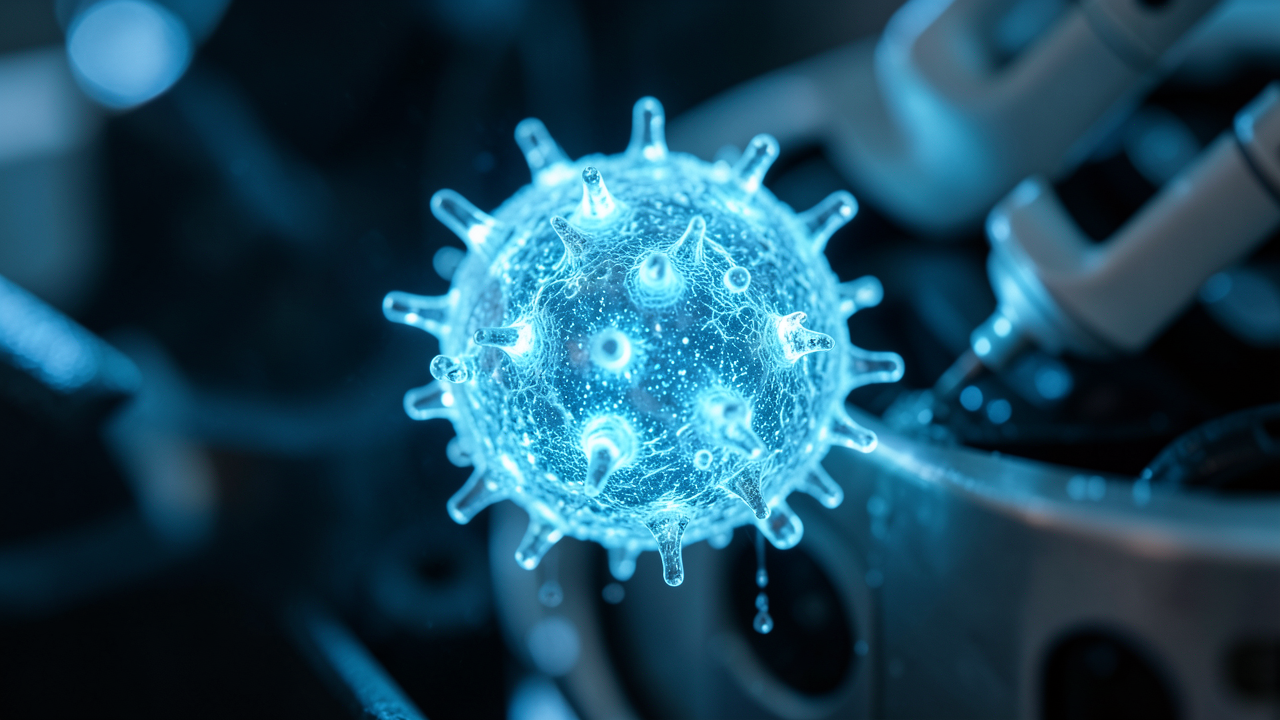
Smart materials, especially nanomedicines, are highlighted for their critical role in cancer diagnosis and therapy. These materials function as “targeted nanomedicines” by specifically recognizing and binding to molecular targets on cancer cell surfaces, leading to more efficient and selective drug delivery. This approach has the potential to improve the therapeutic index of drugs and significantly reduce side effects compared to conventional chemotherapy.
Technical / Clinical Details
Targeted nanomedicines are engineered to overcome several challenges in cancer treatment. Their primary advantages include:
- Enhanced Drug Delivery Efficiency: Nanoparticles increase accumulation in tumor tissues (EPR effect) and promote intracellular uptake of therapeutic agents.
- Prolonged Circulation Time: Nanoparticles protect drugs from degradation and clearance in the body, increasing their stability in the bloodstream.
- Protection from Biodegradation: Encapsulation prevents rapid inactivation of drugs within the body.
- Controlled Drug Release: They can incorporate smart mechanisms that release drugs in response to specific stimuli (e.g., pH, temperature, enzymes).
These features are achieved by conjugating ligands (such as antibodies, peptides, or aptamers) to the surface of nanoparticles. These ligands bind to cancer-specific receptors (e.g., HER2, EGFR, folate receptor), delivering the drug directly to target cells. This strategy minimizes damage to healthy cells while achieving high drug concentrations in cancer cells, maximizing therapeutic efficacy and reducing adverse effects. The responsive functionalities of smart materials also open avenues for “theranostics,” integrating both diagnosis (imaging agent delivery) and therapy (drug delivery).
Background & Context
Traditional cancer treatments, particularly chemotherapy, have faced significant challenges due to non-specific drug distribution leading to unavoidable systemic side effects. With the advent of personalized medicine, there is a growing demand for more precise therapies tailored to individual patient genetic profiles and tumor characteristics. Nanotechnology has emerged as an indispensable tool for realizing this precision medicine, promising innovation at every stage of cancer care, from diagnosis to treatment and monitoring. Research and development investments in this field are robust, with strengthening collaborations between academia and industry.
Strategic Significance & Outlook
Research and development in smart materials and nanomedicines are projected to accelerate. Next-generation nanomedicines will likely evolve to possess more complex bioresponsiveness, multi-functionality, and biocompatibility. For instance, the integration with novel therapeutic modalities, such as nanoparticles combined with immunotherapy or nanocarriers loaded with gene editing tools, is highly probable. These advancements are expected to fundamentally transform the cancer treatment paradigm, providing more effective, personalized, and patient-friendly therapeutic options, thereby significantly improving the prognosis and quality of life for cancer patients.
Get our weekly technology intelligence — free
Receive an infographic that lets you judge at a glance whether each field’s analysis report is worth reading.
Subscribe Free — Weekly Tech Intelligence
By subscribing, you’ll receive Troy-Technical’s weekly technology intelligence newsletter.
- Your email and selected fields are used only to deliver the newsletter.
- We never share your information with third parties.
- You can unsubscribe anytime via the link in each email.
See our Privacy Policy for details.
Takes about a minute · Unsubscribe anytime






Comments