
Key Findings
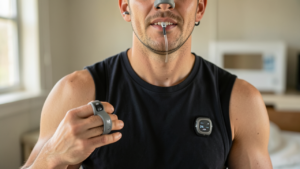
The U.S. Food and Drug Administration (FDA) has granted 510(k) clearance to iNOS, an innovative intraoral biosensor developed by Achaemenid LLC. This prescription medical device is approved for reducing nocturnal snoring and treating mild-to-moderate obstructive sleep apnea (OSA) in adults, while simultaneously providing continuous physiological monitoring capabilities.
Technical / Clinical Details
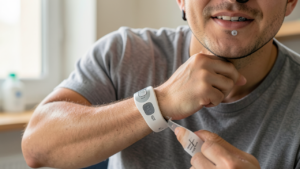
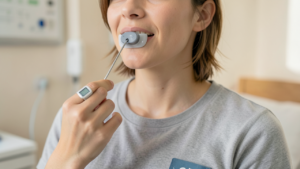
The iNOS device is designed to be worn comfortably within the oral cavity during sleep. It detects airway obstructions and delivers subtle vibratory stimuli to maintain airway patency. A key feature is its integrated medical-grade pulse oximeter, which allows for the measurement, display, storage, and transmission of arterial blood oxygen saturation (SpO2). This capability provides clinicians with detailed insights into a patient’s nocturnal respiratory status and oxygen levels, enabling precise evaluation of treatment efficacy and tailored adjustments. Clinical data demonstrated iNOS reduced OSA-related events by approximately 30% on average, with a significant decrease in snoring frequency and intensity, offering a compelling alternative to traditional therapies.
Background & Context
Obstructive sleep apnea is a pervasive public health challenge, linked to serious comorbidities such as cardiovascular disease and diabetes. While continuous positive airway pressure (CPAP) remains a cornerstone therapy, patient adherence can be an issue due to discomfort. Intraoral devices like iNOS offer a more comfortable and less intrusive treatment option, potentially improving patient compliance. The continuous SpO2 monitoring aligns with the growing trend of remote patient monitoring, contributing to more efficient and proactive healthcare delivery.
Strategic Significance & Outlook
The FDA clearance of iNOS signifies a notable advancement in sleep medicine and biosensor technology. Its market introduction is expected to expand treatment options for numerous OSA patients, facilitating more personalized care. In the future, the rich physiological data collected by iNOS could be integrated with AI to advance predictive diagnostics for sleep disorders and develop even more sophisticated personalized treatment algorithms.
Get our weekly technology intelligence — free
Receive an infographic that lets you judge at a glance whether each field’s analysis report is worth reading.
Subscribe Free — Weekly Tech Intelligence
By subscribing, you’ll receive Troy-Technical’s weekly technology intelligence newsletter.
- Your email and selected fields are used only to deliver the newsletter.
- We never share your information with third parties.
- You can unsubscribe anytime via the link in each email.
See our Privacy Policy for details.
Takes about a minute · Unsubscribe anytime

Comments