Key Findings
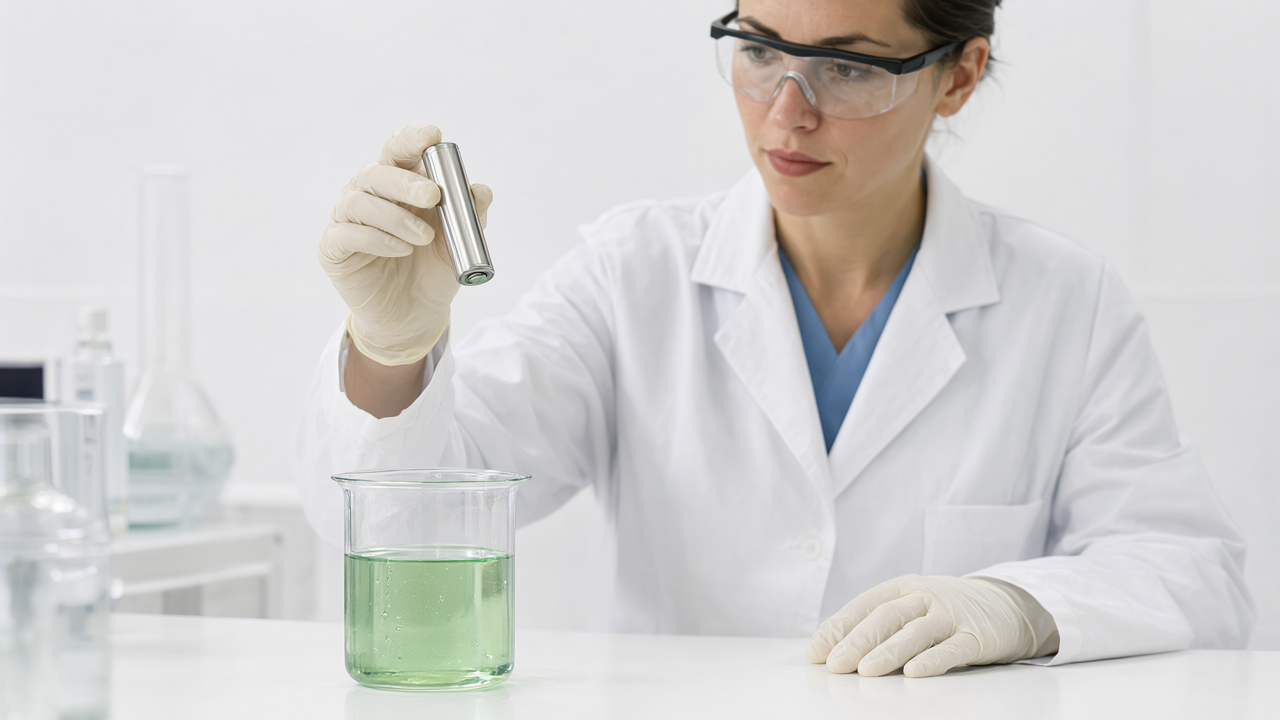
Scientists have developed a groundbreaking chemical bath method to restore the capacity of degraded electric vehicle (EV) batteries. This novel technique offers an efficient way to rejuvenate battery performance without requiring physical disassembly of the battery pack.
Technical Details
The new chemical bath method specifically targets the solid electrolyte interphase (SEI) layer, which is a primary culprit behind the gradual capacity loss in lithium-ion batteries. Over hundreds of charge-discharge cycles, the SEI layer accumulates on electrode surfaces, impeding lithium-ion movement and consequently reducing battery capacity. This method involves immersing degraded batteries in a specialized chemical bath containing 1,3-dimethyl-2-imidazolidinone (DMI) to effectively remove the accumulated SEI layer.
Immersion in the DMI bath causes the unwanted SEI layer to shed from the electrode surface, thereby restoring the free movement of lithium ions. Furthermore, the process is not merely a reversal of SEI growth; it has been shown to leave behind a thin, protective layer of lithium fluoride on the electrode surface. This lithium fluoride layer is anticipated to slow down future excessive SEI growth, potentially extending the battery’s overall lifespan. This technology holds promise for circumventing expensive and time-consuming battery recycling processes, contributing to a more sustainable EV ecosystem.
Background & Context
With the widespread adoption of electric vehicles, the management and recycling of end-of-life batteries have become pressing concerns. Degraded batteries pose environmental challenges and represent a loss of valuable resources. Previous battery restoration techniques often involved disassembly or complex chemical treatments, presenting challenges in terms of cost and efficiency. The newly developed chemical bath method offers a potentially low-cost and efficient solution to these issues, with the potential to significantly extend battery lifecycles.
Strategic Significance & Outlook
This chemical bath method is hailed as a transformative technology for giving EV batteries a ‘second life.’ By extending the useful life of degraded EV batteries and delaying the need for new replacements, it can reduce the total cost of ownership (TCO) for EVs and enhance their sustainability. Future efforts will focus on further optimizing this technology, verifying its applicability to various battery chemistries, and scaling it up for broad commercialization. It promises to open new avenues for battery recycling and reuse, contributing significantly to the circular economy.
Get our weekly technology intelligence — free
Receive an infographic that lets you judge at a glance whether each field’s analysis report is worth reading.
Subscribe Free — Weekly Tech Intelligence
By subscribing, you’ll receive Troy-Technical’s weekly technology intelligence newsletter.
- Your email and selected fields are used only to deliver the newsletter.
- We never share your information with third parties.
- You can unsubscribe anytime via the link in each email.
See our Privacy Policy for details.
Takes about a minute · Unsubscribe anytime





Comments