Key Findings
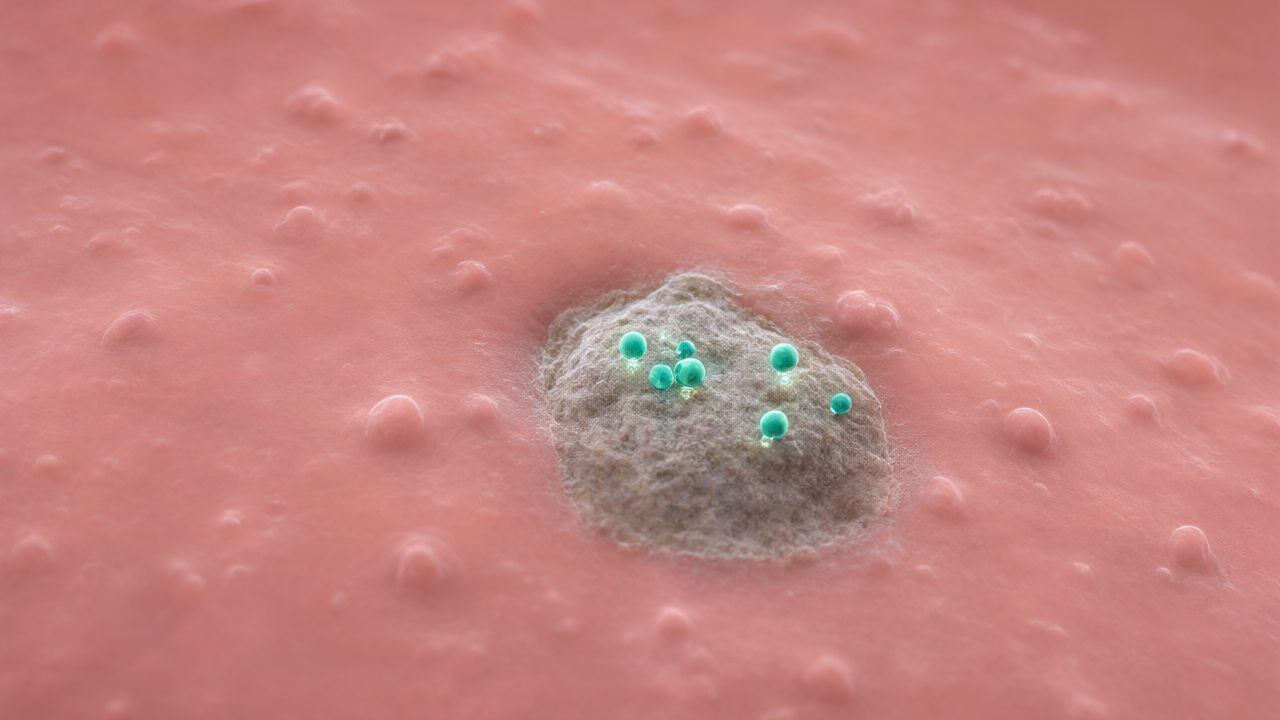
New research has unveiled a designed bioactive microrobot, designated ‘HH-B-DM4-NT’, that holds the potential to provide a significantly more effective treatment for non-muscle invasive bladder cancer (NMIBC). This multi-component platform effectively targets and eradicates cancer cells by physically and chemically modulating the tumor microenvironment.
Technical Details
- Composition of HH-B-DM4-NT: The platform innovatively integrates several key components:
- Collagenase Enzyme from Hatwaya histolytica Bacteria: This enzyme actively degrades the tumor’s extracellular matrix (ECM), thereby enhancing the penetration of therapeutic agents into the tumor tissue.
- Anticancer Drug DM4: DM4 is incorporated to disrupt the intercellular networks within the tumor, effectively inhibiting cancer cell proliferation and survival.
- Neuropeptide Neurotensin: This component potentially enhances the specificity of drug delivery to cancer cells, minimizing off-target effects.
- Bismuth Ferrite Nanoparticles: These nanoparticles respond to ultrasound by generating reactive oxygen species (ROS), which directly damage cancer cells and activate the immune system for a more robust anti-tumor response.
- Synergistic Mechanism of Action: The bacterial enzyme breaks down tumor barriers, DM4 disrupts cancer cell integrity, and the nanoparticles contribute to sonodynamic therapy (SDT) effects under ultrasound. This combined action synergistically enhances drug permeability and potentifies the overall anti-cancer efficacy.
- Targeted Disease: The primary indication for this microrobot is non-muscle invasive bladder cancer (NMIBC), a condition characterized by high recurrence rates and a pressing need for improved localized therapies.
Background & Context
Non-muscle invasive bladder cancer accounts for approximately 75% of all bladder cancer cases and frequently recurs even after surgical resection, necessitating adjuvant intravesical therapies. However, existing intravesical treatments often have limited efficacy due to poor drug penetration into tumor tissues. This bioactive microrobot addresses these critical challenges by dismantling drug delivery barriers and maximizing therapeutic agent effectiveness. This convergence of bioengineering and robotics marks a significant stride toward personalized, high-precision cancer treatment.
Strategic Significance & Outlook
The HH-B-DM4-NT microrobot possesses transformative potential for the treatment landscape of non-muscle invasive bladder cancer. Future endeavors will focus on rigorous preclinical evaluation of its safety and efficacy, establishment of optimized manufacturing processes, and subsequent progression to human clinical trials. Critical research areas will include precise in-vivo control of the microrobots, assessment of long-term biocompatibility, and detailed characterization of the side effect profile associated with this combination therapy. If successfully translated, this technology could significantly improve patient outcomes and reduce recurrence rates in NMIBC.
Source: https://www.eurekalert.org/news-releases/1146966
Get our weekly technology intelligence — free
Receive an infographic that lets you judge at a glance whether each field’s analysis report is worth reading.
Subscribe Free — Weekly Tech Intelligence
By subscribing, you’ll receive Troy-Technical’s weekly technology intelligence newsletter.
- Your email and selected fields are used only to deliver the newsletter.
- We never share your information with third parties.
- You can unsubscribe anytime via the link in each email.
See our Privacy Policy for details.
Takes about a minute · Unsubscribe anytime