Key Findings
Doosan Robotics in South Korea has been selected for two national projects focused on developing “Physical AI” collaborative robots and industrial humanoids, leveraging domestically produced AI semiconductors. These initiatives position the company to lead the establishment of next-generation robotic technology that performs advanced perception, judgment, and control with reduced reliance on external computers or cloud infrastructure.
Technical / Clinical Details
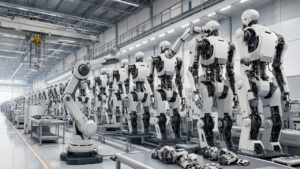
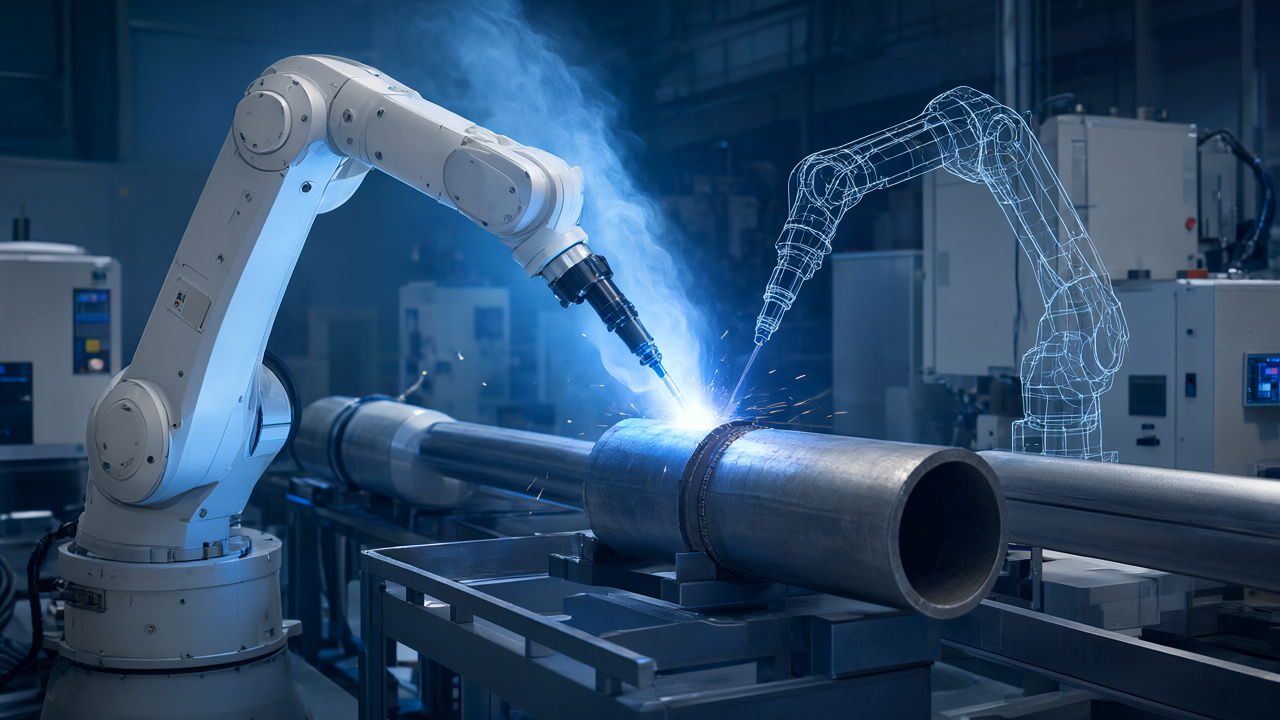
The first project aims to commercialize three types of collaborative robots and industrial humanoids by 2031. These robots will be equipped with AI System-on-Chips (AI SoCs), enabling them to autonomously perceive environments, make situational judgments, and control actions without requiring external PCs or cloud connectivity. This ensures real-time decision-making and robust security. The second project focuses on automating complex welding tasks by integrating AI and digital twin technology into collaborative robots. Targeting nuclear power plant equipment manufacturing initially, this project aims to reproduce skilled welders’ paths with over 95% accuracy and reduce welding time by over 50%. Digital twin technology optimizes welding processes in a virtual environment, with results then applied to physical robots to automate high-difficulty tasks.
Background & Context
The global robotics industry is evolving towards “Physical AI,” where robots are capable of autonomous operation in more complex and dynamic environments beyond factories and warehouses. South Korea is no exception, with the government prioritizing the enhancement of domestic AI technology competitiveness and self-reliance in foundational technologies, including AI semiconductors. Particularly in manufacturing, where skilled labor shortages are acute, technology that enables robots to perform high-difficulty tasks is crucial for improving productivity and reducing costs. Automation in highly safety-critical sectors like nuclear power plants contributes not only to technological reliability but also to the maintenance of critical national infrastructure.
Strategic Significance & Outlook
These national projects led by Doosan Robotics mark a significant turning point for South Korea’s robotics and AI semiconductor industries. The commercialization of Physical AI collaborative robots will elevate the level of automation in manufacturing, benefiting small and medium-sized enterprises particularly affected by labor shortages. Furthermore, the successful development of welding robots for nuclear power plants expands the possibilities for robot utilization in areas requiring extreme precision. Future applications are anticipated in other high-risk, high-precision fields such as construction, defense, and disaster response. The adoption of domestic AI semiconductors is a crucial factor in strengthening South Korea’s technological self-reliance and building a competitive edge in the global market.
Source: https://v.daum.net/v/20261006090808421
Get our weekly technology intelligence — free
Receive an infographic that lets you judge at a glance whether each field’s analysis report is worth reading.
Subscribe Free — Weekly Tech Intelligence
By subscribing, you’ll receive Troy-Technical’s weekly technology intelligence newsletter.
- Your email and selected fields are used only to deliver the newsletter.
- We never share your information with third parties.
- You can unsubscribe anytime via the link in each email.
See our Privacy Policy for details.
Takes about a minute · Unsubscribe anytime