Key Findings
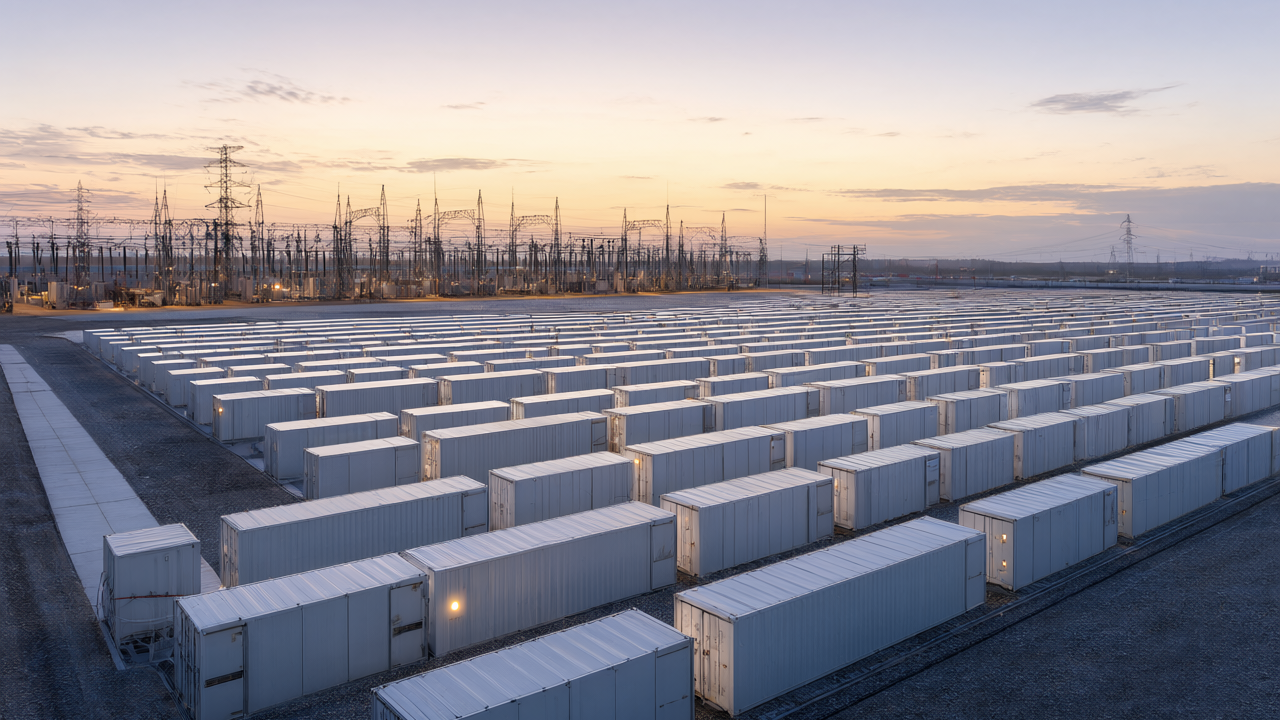
Tesla reported a substantial deployment of 13.7 GWh of energy storage products in the third quarter of 2026, underscoring its significant role in the global energy storage market. In parallel, CATL, a leading Chinese battery manufacturer, announced its plans to initiate full-scale mass production of its ‘Naxtra’ sodium-ion batteries by the end of 2026. This follows CATL’s initial deliveries of grid-storage-focused sodium-ion batteries to a Chinese customer in September 2026, indicating rapid commercialization of this alternative battery technology.
Technical / Clinical Details
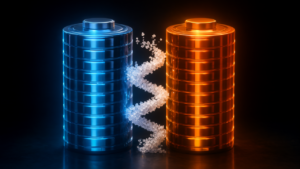
Tesla’s energy storage portfolio, including Megapack and Powerwall, primarily serves utility-scale grid stabilization, commercial and industrial applications, and residential backup power. These systems integrate advanced battery management systems to facilitate renewable energy integration and enhance grid reliability. CATL’s Naxtra sodium-ion batteries offer advantages such as lower cost and greater material abundance compared to lithium-ion counterparts. Sodium-ion technology is particularly promising for large-scale grid storage and applications demanding strong low-temperature performance, positioning it as a key lithium-independent storage solution.
Background & Context
The global energy storage market is expanding rapidly, driven by the increasing deployment of renewable energy sources and the critical need for grid modernization. Established players like Tesla are meeting this demand by scaling up their supply capabilities. Simultaneously, innovators such as CATL are pursuing the development and commercialization of alternative technologies like sodium-ion batteries to address challenges such as lithium price volatility and supply chain diversification. China, in particular, has a robust demand for grid-scale energy storage, making sodium-ion batteries a strategically important development.
Strategic Significance & Outlook
Tesla’s continuous large-scale deployments affirm that energy storage is becoming an indispensable component of modern electrical infrastructure, moving beyond niche applications. CATL’s entry into mass production of sodium-ion batteries is expected to intensify competition within the battery industry, broaden supply chain options, and accelerate the adoption of more cost-effective energy storage solutions. These developments collectively signify a crucial step in the evolution of next-generation energy storage technologies, paving the way for a more sustainable and resilient energy future.
Source: https://www.ventureatlas.org/industry/energy-storage
Get our weekly technology intelligence — free
Receive an infographic that lets you judge at a glance whether each field’s analysis report is worth reading.
Subscribe Free — Weekly Tech Intelligence
By subscribing, you’ll receive Troy-Technical’s weekly technology intelligence newsletter.
- Your email and selected fields are used only to deliver the newsletter.
- We never share your information with third parties.
- You can unsubscribe anytime via the link in each email.
See our Privacy Policy for details.
Takes about a minute · Unsubscribe anytime