Key Findings
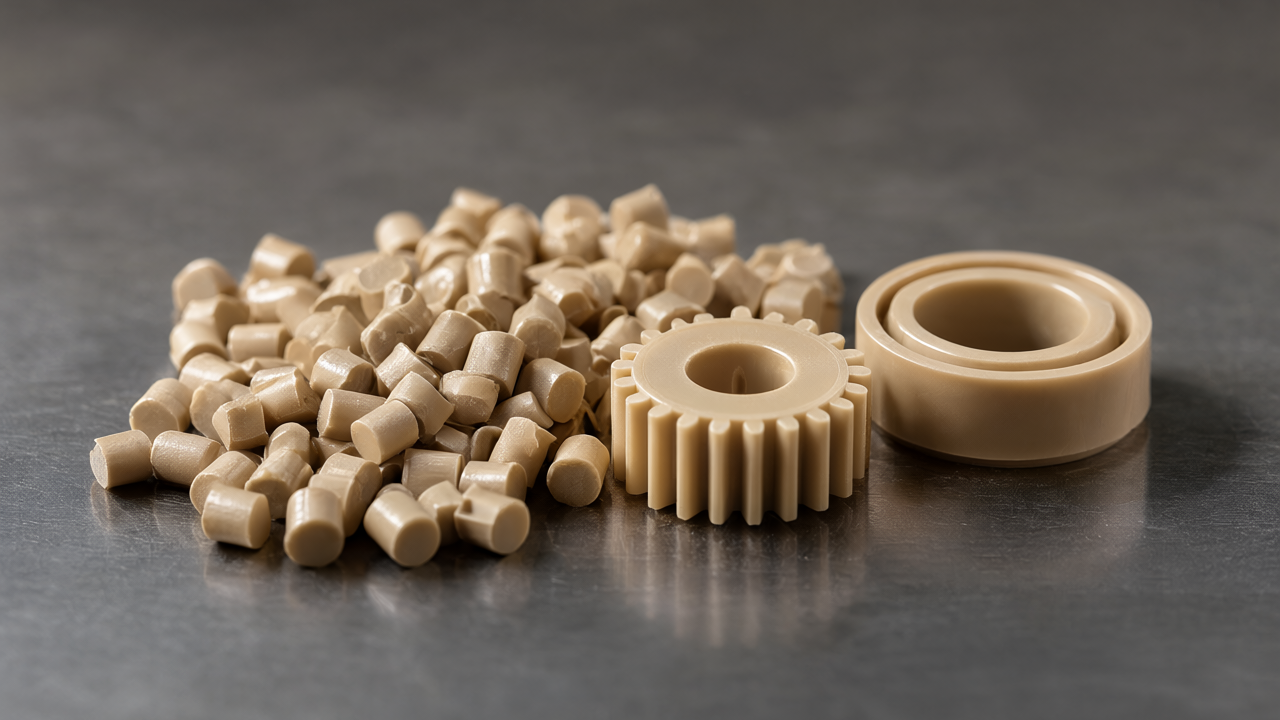
Teijin Limited has announced new grades of its SOLFIGA® polyphenylene sulfide (PPS) compounds, engineered to provide exceptional sliding properties without the intentional addition of Per- and Polyfluoroalkyl Substances (PFAS). This expansion of their high-performance resin lineup aims to simultaneously meet stringent environmental regulations and deliver superior material performance. A standout innovation is the aramid fiber-reinforced SOLFIGA® sliding grade, which achieves an approximately 70% reduction in the coefficient of friction (CoF) compared to conventional products without dedicated sliding agents, significantly enhancing wear and friction performance.
Technical / Clinical Details
The new SOLFIGA® grades leverage PPS’s inherent robustness—including excellent heat resistance, chemical resistance, and mechanical strength—while incorporating specialized compounding technologies to achieve high lubricity without PFAS. The carbon fiber-reinforced sliding grades are designed for applications requiring high strength and rigidity under heavy loads, such as in automotive powertrains and industrial machinery bearings. The aramid fiber-reinforced grades, conversely, utilize a unique fiber architecture to drastically reduce friction and wear. Teijin reports that this aramid-reinforced SOLFIGA® variant can reduce the coefficient of friction by up to 70% when compared to previous non-PFAS containing sliding materials, leading to extended component lifespan and improved energy efficiency. These formulations offer a robust, sustainable solution for critical components operating in harsh conditions, ensuring reliability and compliance.
Background & Context
PFAS have become a global concern due to their persistence in the environment and potential health impacts, leading to increasing regulatory pressure, particularly in Europe. Industries previously reliant on PFAS for their exceptional properties, especially in friction-reducing applications, are now urgently seeking high-performance, PFAS-free alternatives. Teijin’s development of these new SOLFIGA® grades directly addresses this critical market need, offering a compliant yet high-performing solution for sectors like automotive, electrical and electronics, and industrial machinery. This strategic move by Teijin not only mitigates environmental risks within supply chains but also enhances product competitiveness in a rapidly evolving regulatory landscape, positioning the company as a leader in sustainable material innovation.
Strategic Significance & Outlook
Teijin’s PFAS-free SOLFIGA® grades are anticipated to be well-received by the market, as they effectively marry the dual objectives of environmental stewardship and high-performance material provision. These products are expected to find wide applications in areas such as vehicle electrification and efficiency improvements, maintenance-free industrial machinery, and enhanced reliability in electrical and electronic devices. By offering materials that are both high-performing and environmentally responsible, Teijin aims to strengthen its leadership in the polymer materials market while adapting to global environmental regulations. The company’s ongoing efforts to expand its PFAS-free portfolio and the subsequent impact on industrial structures will be closely watched by industry stakeholders.
Source: https://www.azom.com/news.aspx?newsID=65894
Get our weekly technology intelligence — free
Receive an infographic that lets you judge at a glance whether each field’s analysis report is worth reading.
Subscribe Free — Weekly Tech Intelligence
By subscribing, you’ll receive Troy-Technical’s weekly technology intelligence newsletter.
- Your email and selected fields are used only to deliver the newsletter.
- We never share your information with third parties.
- You can unsubscribe anytime via the link in each email.
See our Privacy Policy for details.
Takes about a minute · Unsubscribe anytime