Key Findings
Leaders in the global logistics industry are navigating a complex landscape marked by persistently rising operational costs and the necessity for substantial investments in automation technologies to enhance efficiency. This compounded pressure exerts broad ripple effects across all industrial supply chains, including those for high-performance polymer materials. Consequently, companies are under intense pressure to further streamline manufacturing processes and aggressively pursue cost reductions. Logistics optimization is no longer merely a cost factor but has emerged as a strategic imperative for ensuring the resilience and sustainability of the entire supply chain.
Technical / Clinical Details
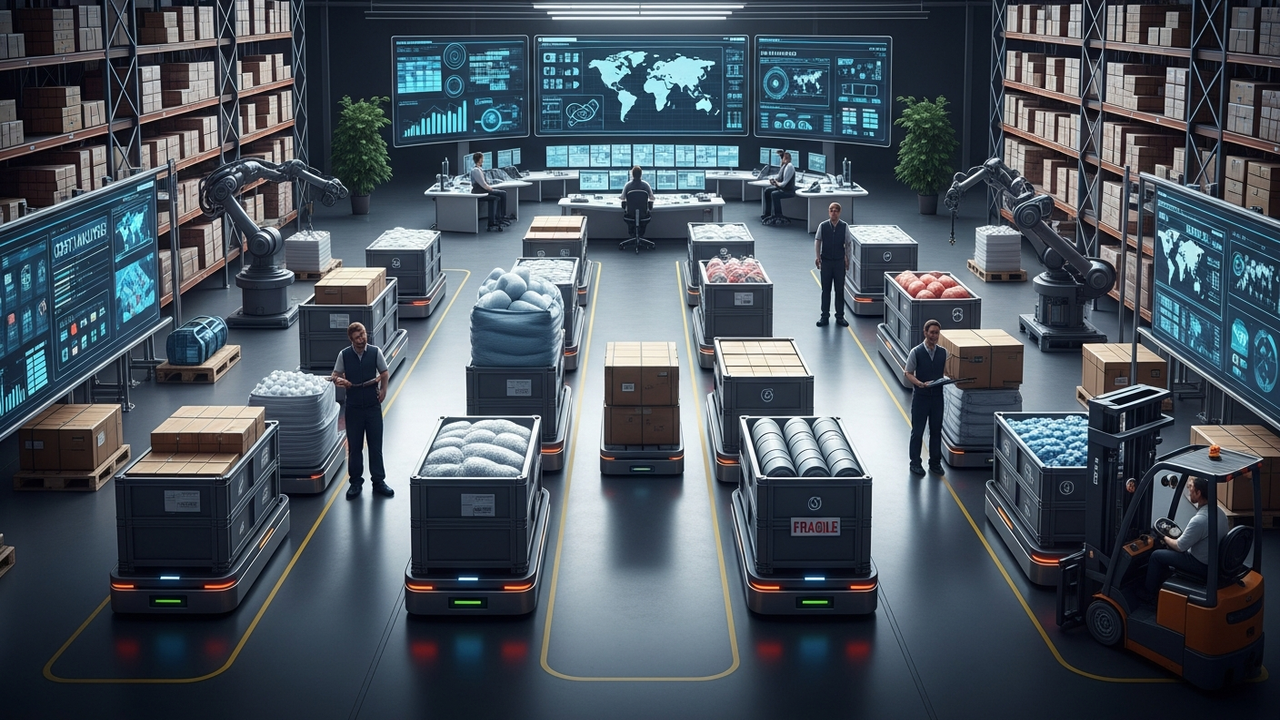
The adoption of automation technologies in logistics is multifaceted, encompassing advanced Warehouse Management Systems (WMS), Autonomous Mobile Robots (AMRs), drones, and AI-powered routing optimization. These technologies dramatically improve operational efficiency in distribution centers, reduce human error, and enable 24/7 operations. Within the polymer materials supply chain, automated logistics are crucial for the efficient transportation of raw materials (e.g., petrochemicals), inter-plant material transfers, and timely delivery of finished products (e.g., automotive components, electronic parts). Automation can shorten lead times at each stage, reduce inventory costs, and further support just-in-time (JIT) production systems. Integration with sensing technologies and IoT devices also allows for optimized temperature and humidity control during transit, mitigating the risk of quality degradation.
Background & Context
In recent years, a confluence of geopolitical tensions, trade disputes, pandemics, and labor shortages has inflicted unprecedented disruptions upon global supply chains. This has led to skyrocketing shipping costs and persistent delivery delays, compelling businesses to recognize supply chain resilience and efficiency as urgent priorities. For the chemical and materials industries, where raw material price volatility is significant, optimizing logistics costs directly impacts product competitiveness. Investments in automation represent an indispensable strategy for addressing these challenges and securing future supply chain stability.
Strategic Significance & Outlook
The prevailing cost pressures and automation trends within the logistics industry will increasingly compel polymer material manufacturers to design products that are lighter, more compactly packaged, and more efficient to transport. Furthermore, in production facilities, the advancement of smart factories is expected to strengthen automated polymer material supply systems and integration between production lines and logistics systems. This movement offers polymer material manufacturers an opportunity to evolve beyond mere material providers to solution providers who contribute to the overall efficiency of their customers’ supply chains. In the long term, logistics automation and optimization are poised to reduce the production and distribution costs of polymer materials, ultimately enhancing the competitiveness of final products.
Source: https://www.eetimes.com/logistics-leaders-navigate-cost-and-automation/