Background: The Unmet Need in Precision Oncology
Despite significant advancements, many cancers, particularly those with poor prognoses or complicated by concurrent bacterial infections, remain challenging to treat effectively. Conventional cancer therapies often suffer from limitations in specific drug delivery to tumor sites, systemic toxicity to healthy tissues, and variable efficacy across patient populations. Nanotechnology has emerged as a profoundly promising field to address these unmet needs in precision oncology. Its capacity for targeted delivery, ability to manipulate the tumor microenvironment, and potential for theranostic (combined diagnostic and therapeutic) applications position it as a key enabler for next-generation cancer treatments.
Key Findings / Results: Smart Nanoplatforms for Targeted Intervention
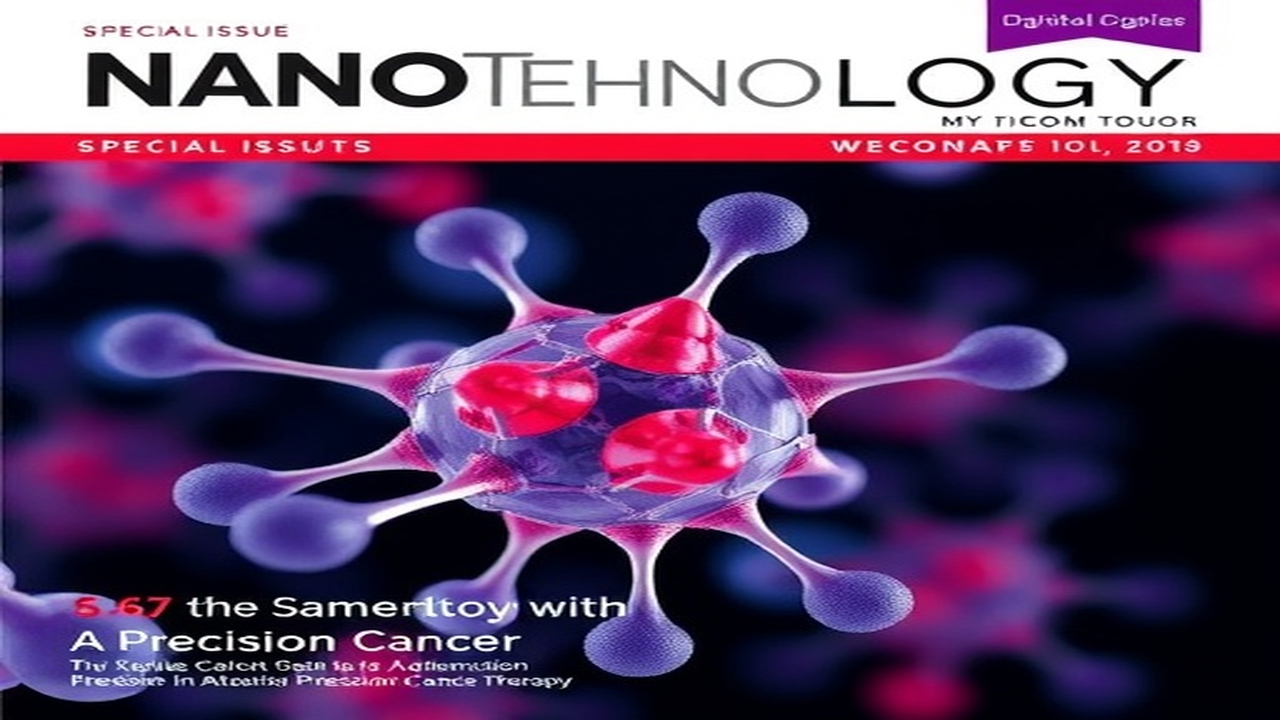
A dedicated special edition of *Cancer Biology & Medicine* showcases the cutting edge of nanotechnological innovations integrated with biological discoveries, painting a future where nanomedicine extends beyond current therapeutic limitations. A central theme is the development of “smart” nanoplatforms that are not merely passive drug carriers but active agents capable of sensing, responding, and adapting within the complex tumor microenvironment. One critical area of research highlighted is the application of nanodrug strategies to overcome the formidable challenges posed by poor-prognosis cancers, which are frequently compounded by bacterial infections. This research posits that nanotechnology-mediated targeting of tumor-associated bacteria can significantly improve drug penetration and efficacy while simultaneously modulating the tumor microenvironment to enhance anti-tumor immune responses. By precisely delivering antimicrobial or anti-cancer agents, these nanoplatforms can disarm bacterial resistance, reduce inflammation, and prime the immune system for a more robust attack against cancer cells. The integration of biologically inspired design with advanced nanomaterials is yielding platforms that offer an unprecedented level of control over therapeutic modalities, enabling on-demand drug release or localized activation based on specific biomarkers or environmental cues within the tumor.
Technical Significance & Outlook: Redefining Cancer Treatment Paradigms
The technical significance of these smart nanoplatforms lies in their potential to redefine cancer treatment paradigms. By enhancing the precision of drug delivery, they can dramatically reduce systemic side effects, allowing for higher, more effective doses to be concentrated at the disease site. The ability to manipulate the tumor microenvironment—for instance, by altering immune cell infiltration or normalizing tumor vasculature—opens new avenues for synergistic therapies, particularly when combined with immunotherapies like checkpoint inhibitors. Furthermore, the adaptive nature of these nanomaterials, which can respond to pH changes, enzyme activity, or light, offers the promise of highly personalized and dynamic treatment regimens. The outlook for nanotechnology in oncology is therefore incredibly bright. Future research will likely focus on robust clinical translation, addressing challenges such as scale-up manufacturing, comprehensive safety profiling, and long-term biodistribution studies. However, the foundational work presented in this special issue clearly indicates that integrated materials science and biological innovation, powered by smart nanoplatforms, will be instrumental in winning the fight against cancer, transitioning from broad-spectrum treatments to highly precise, patient-specific interventions.






Comments