

Key Findings
The FDA granted priority review and Breakthrough Therapy Designation for Hibsago (bepirovirsen), an antisense oligonucleotide developed by GSK for chronic hepatitis B (CHB). In pooled data from the B-Well 1 and B-Well 2 randomized, double-blind, placebo-controlled trials across 29 countries, 19% of patients (233 of 1220) achieved a functional cure, compared to 0% of the 614 patients in the placebo group. Functional cure is defined as undetectable viral DNA and HBsAg for at least 24 weeks after treatment cessation.
Technical Details
Bepirovirsen is indicated for adults without cirrhosis who have received nucleos(t)ide analogue therapy for at least 6 months, have suppressed viral DNA, and have HBsAg levels of 3000 IU/ml or lower. The treatment consists of a 6-month course, with the option for self-administration after the first dose. Bepirovirsen works by inhibiting viral RNA production to lower viral proteins and HBsAg in the blood.
Secondary endpoints showed a 26% functional cure rate (200 of 768) in patients with baseline HBsAg of 1000 IU/ml or lower. Exploratory analyses indicated that 49% of the overall population reached HBsAg levels of 100 IU/ml or lower by week 72. Common adverse events included local pain, injection site erythema, and temporary liver enzyme increases.
Production Hurdles and Context
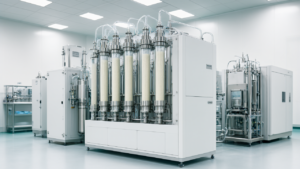
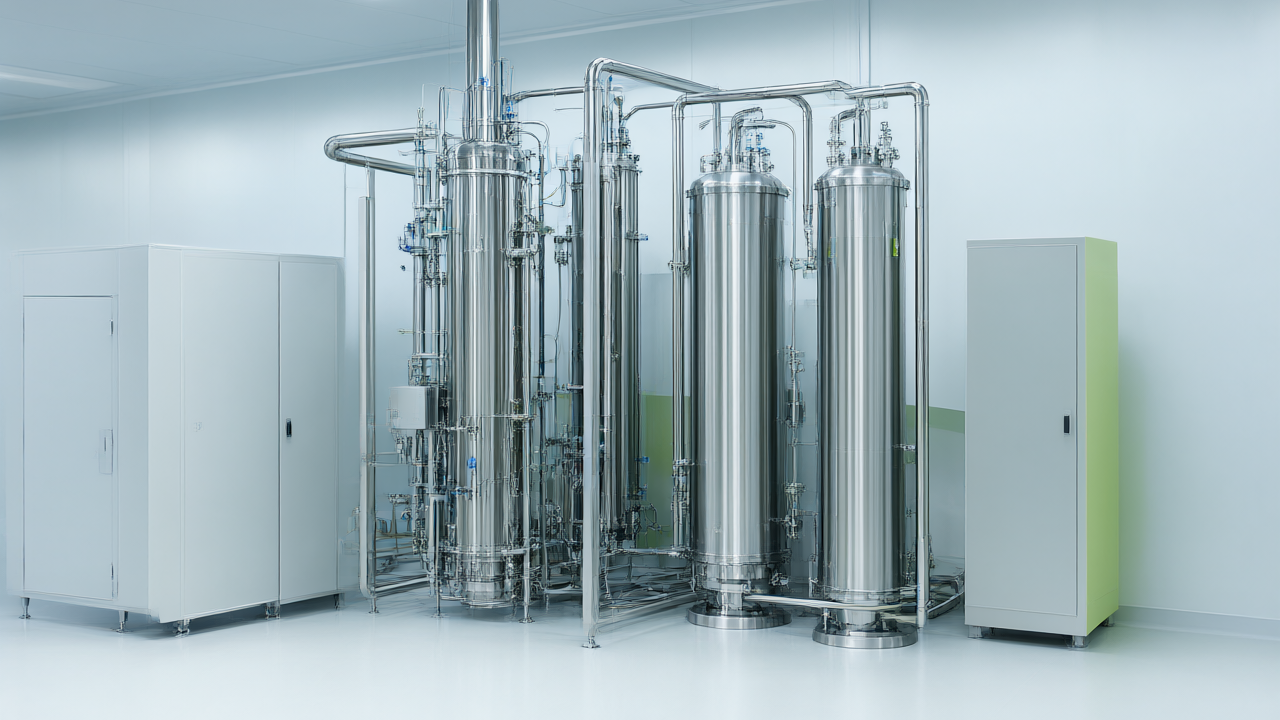
Scaling this modality presents significant material burdens. A 2021 Journal of Organic Chemistry perspective noted that process mass intensities for development-stage processes averaged 4299—meaning roughly 4300 kg of raw materials are required per kg of drug substance. This is significantly higher than the 168-308 kg median for small molecules. Key bottlenecks include detritylation, which consumes nearly half of synthesis-stage materials, and lyophilization, which can take several days.
Significance and Outlook
This approval expands antisense oligonucleotides into a market affecting approximately 1.7 million people in the US and over 240 million worldwide. This shift tests commercial-scale solid-phase synthesis, purification, and analytical capacity. Furthermore, the finite 6-month course alters demand forecasting, as supply will depend on new patient starts rather than lifelong maintenance.
Source: https://www.pharmtech.com/view/fda-approves-bepirovirsen-why-oligonucleotide-cdmos-should-take-note
Get our weekly technology intelligence — free
Receive an infographic that lets you judge at a glance whether each field’s analysis report is worth reading.
Subscribe Free — Weekly Tech Intelligence
By subscribing, you’ll receive Troy-Technical’s weekly technology intelligence newsletter.
- Your email and selected fields are used only to deliver the newsletter.
- We never share your information with third parties.
- You can unsubscribe anytime via the link in each email.
See our Privacy Policy for details.
Takes about a minute · Unsubscribe anytime