

Key Findings
NTT and JAXA have confirmed that the implementation of MIMO (Multiple-Input Multiple-Output) technology on a low Earth orbit (LEO) satellite increases communication capacity by more than two times compared to conventional single-antenna communications. Additionally, the partners successfully demonstrated a “satellite sensing technology” capable of accommodating large-scale IoT devices in terrestrial dead zones.
Technical Details
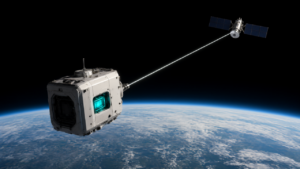
The experiments utilized “LEOMI,” a MIMO/IoT technology integrated into JAXA’s Innovative Satellite Technology Demonstration Satellite 4 (RAISE-4), which was launched in December 2025. Orbital experiments have been ongoing since April.
- MIMO Performance: The system demonstrated a capacity increase of over 2x. Analysis of simulation and actual measured values also allowed for high-precision estimation of transmission capacity fluctuation patterns, which enables the optimization of LEO satellite operations.
- IoT Integration: Using the 920MHz band for terrestrial IoT devices based on existing LPWA standards, the experiment confirmed that the satellite could successfully separate two signals transmitted simultaneously from different points using the same frequency. This resolves the issue of “simultaneous collision” where time and frequency overlap.
Background and Context
The MIMO technology is not limited to LEO satellites; the findings suggest it could also be integrated into high-altitude platform stations (HAPS) and balloons. The current phase of the project involves steady operation until March 2027, with the goal of establishing the technology within the 2026 fiscal year.
Significance and Outlook
The increase in transmission capacity is expected to enable the high-speed transfer of high-definition imagery and radar data for disaster prediction, ocean observation, and weather monitoring. By overcoming signal collision issues, the project moves toward the realization of an “ultra-wide area satellite IoT platform.” The specific timing for commercial service remains undecided, as the technology must be integrated into actual service-providing satellite hardware.
Source: https://www.watch.impress.co.jp/docs/news/2150343.html
Get our weekly technology intelligence — free
Receive an infographic that lets you judge at a glance whether each field’s analysis report is worth reading.
Subscribe Free — Weekly Tech Intelligence
By subscribing, you’ll receive Troy-Technical’s weekly technology intelligence newsletter.
- Your email and selected fields are used only to deliver the newsletter.
- We never share your information with third parties.
- You can unsubscribe anytime via the link in each email.
See our Privacy Policy for details.
Takes about a minute · Unsubscribe anytime