Key Findings
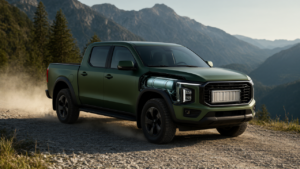
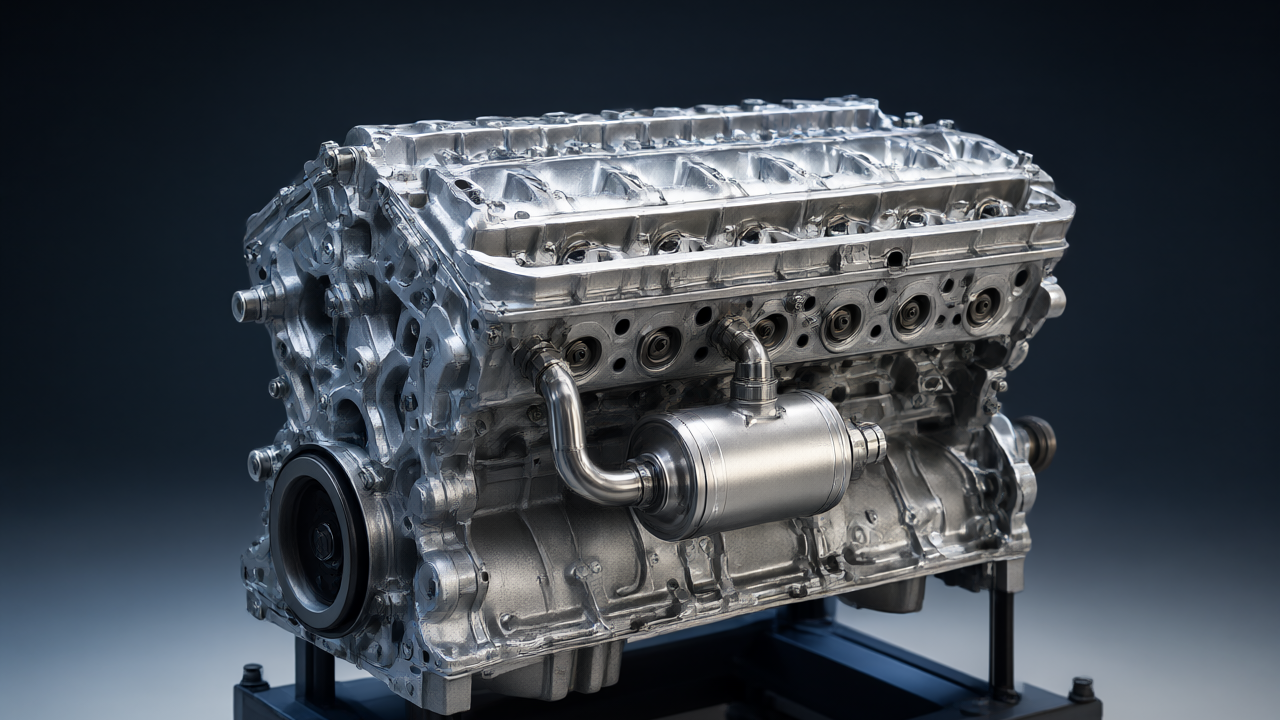
Daihatsu Motor Co., Ltd. has displayed a prototype ammonia/hydrogen co-firing internal-combustion engine. The exhibit took place at Makuhari Messe during the Japan Mobility Show Bizweek 2026, as reported by the Japan Automobile Manufacturers Association.
Technical Details
The primary technical focus of the prototype is the mitigation of ammonia ignition challenges. To improve combustion stability, the engine employs a system that generates hydrogen onboard. This approach eliminates the need for the vehicle to carry a separate tank of compressed hydrogen, simplifying the fuel storage requirements while ensuring the engine can maintain stable operation.
Background & Context
Ammonia is being evaluated as a carbon-free energy carrier. While peer-reviewed publications indicate that experiments with ammonia as a fuel date back to the early 20th century—including historical use in wartime bus operations—practical application has remained limited. The primary constraint hindering the widespread adoption of ammonia as a primary fuel is its narrow flammability range.
Significance & Outlook
By integrating onboard hydrogen generation, Daihatsu is attempting to bypass the traditional logistics and storage hurdles associated with compressed hydrogen. This development represents a strategic effort to make ammonia-based internal combustion more viable by solving the specific chemical limitations of ammonia combustion through co-firing technology.
Get our weekly technology intelligence — free
Receive an infographic that lets you judge at a glance whether each field’s analysis report is worth reading.
Subscribe Free — Weekly Tech Intelligence
By subscribing, you’ll receive Troy-Technical’s weekly technology intelligence newsletter.
- Your email and selected fields are used only to deliver the newsletter.
- We never share your information with third parties.
- You can unsubscribe anytime via the link in each email.
See our Privacy Policy for details.
Takes about a minute · Unsubscribe anytime