Background
The continuous glucose monitoring (CGM) market is experiencing rapid growth globally, driven by the imperative for more effective diabetes management and enhanced patient convenience. Key competitive factors in this evolving landscape include longer wear duration, higher accuracy, and user-friendliness. Current market standard CGM sensors typically last between 10 to 14 days, presenting a frequent need for replacement and an ongoing burden for patients. It is against this backdrop that Swiss medtech firm FiberSense AG is poised to enter the European market, following a pivotal regulatory milestone.
Key Findings
FiberSense AG has announced that its continuous glucose monitoring (CGM) system has received the CE Mark as a Class IIb medical device under EU Regulation 2017/745. This crucial regulatory approval paves the way for the commercial launch of the product in the European market in the latter half of 2026, specifically targeting diabetic adults for continuous monitoring of blood glucose levels and trends. A significant differentiator for this system is its dramatically extended wear duration of up to 28 days, substantially surpassing most current market offerings. This innovation directly translates to reduced burden for patients, offering a significant leap forward compared to existing solutions.
Technical and Clinical Details
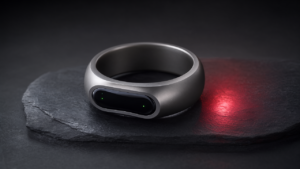
The FiberSense CGM system employs advanced optical sensing technology to precisely measure glucose concentrations in the subcutaneous interstitial fluid. This is achieved through a minimally invasive or non-invasive approach, enhancing user comfort. The system comprises a fiber-optic-based sensor, designed for extended wear, and an external detector clip that processes the signals. Measured data is then displayed in real-time on a dedicated smartphone application, providing users with immediate insights into their glucose levels and trends. The extended wear period of up to 28 days offers a substantial improvement in user convenience, significantly reducing the frequency of sensor changes and thereby contributing to an enhanced quality of life for individuals managing diabetes. Clinical validation has confirmed the system’s accuracy and reliability across its extended operational lifespan, ensuring stable and consistent long-term glucose monitoring.
Strategic Significance and Outlook
FiberSense’s entry into the European market is not only expected to accelerate the evolution of CGM technology but also represents the first step in a broader strategic vision. The company plans to leverage its versatile optical sensing platform to develop sensors capable of monitoring other critical biomarkers, such as ketones, lactate, and cortisol, extending beyond conventional glucose measurement. This multi-biomarker approach aims to create a more comprehensive metabolic and health monitoring system that transcends conventional diabetes management, moving towards personalized health management and precision medicine. For successful commercialization, FiberSense will need to focus on scaling up manufacturing, establishing robust logistics networks, ensuring comprehensive customer support, and defining effective market access strategies. This ambitious roadmap holds the potential to open entirely new frontiers in health monitoring and disease prevention.
Source: https://world.storm.mg/articles/1142392
Get our weekly technology intelligence — free
Receive an infographic that lets you judge at a glance whether each field’s analysis report is worth reading.
Subscribe Free — Weekly Tech Intelligence
By subscribing, you’ll receive Troy-Technical’s weekly technology intelligence newsletter.
- Your email and selected fields are used only to deliver the newsletter.
- We never share your information with third parties.
- You can unsubscribe anytime via the link in each email.
See our Privacy Policy for details.
Takes about a minute · Unsubscribe anytime