
Key Findings
The screening technique identifies severe anaemia (haemoglobin below 8 g/dL) with 95.1% accuracy and correctly classifies sickle cell disease in approximately 95% of cases based on field trials with 394 participants in central India and Maharashtra. Additionally, an image-based method for reading dried smear color estimated haemoglobin levels within ±0.5 g/dL across a cohort of over 1,000 patients. In patients treated with hydroxyurea, the test tracked therapy response as the rise in blood viscosity after oxygen removal decreased from 125% to 70%.
Technical Details
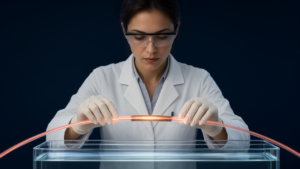
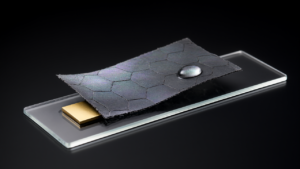
The method is based on the relationship between blood viscosity and the distance a blood drop travels when smeared across a glass slide. To eliminate the variability of manual smears, the team developed a patented, automated smearing device that applies controlled speed and pressure. Thinner blood, characteristic of anaemia due to lower red blood cell and haemoglobin concentrations, spreads further than more viscous blood.
To detect sickle cell disease, the device compares smear length before and after deoxygenating the sample with an inexpensive chemical. This process identifies the stiffening and deformation of red cells that occurs during oxygen drops, allowing the system to differentiate between healthy individuals, sickle cell trait carriers, and patients with the disease.
Background & Context
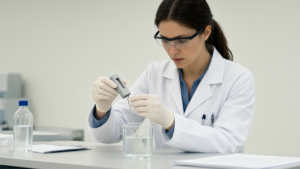
Current diagnostics for anaemia and SCD typically require complete blood counts or high-performance liquid chromatography (HPLC), which depend on specialized laboratories and can take one to three days. The IIT Bombay kit requires only a pipette, glass slides, a low-cost reagent, vials, and a ruler or imaging device, making it suitable for frontline health workers in remote or tribal areas.
Significance & Outlook
The technology has been licensed to Rheoheme Private Limited. The team is currently pursuing regulatory approval in collaboration with AIIMS Nagpur and the ICMR National Institute for Tribal Health Research. While the researchers noted that genetic variations in viscosity and conditions like hyperviscosity syndrome may limit accuracy, they are exploring extensions of the platform to measure blood glucose and clotting time.
Get our weekly technology intelligence — free
Receive an infographic that lets you judge at a glance whether each field’s analysis report is worth reading.
Subscribe Free — Weekly Tech Intelligence
By subscribing, you’ll receive Troy-Technical’s weekly technology intelligence newsletter.
- Your email and selected fields are used only to deliver the newsletter.
- We never share your information with third parties.
- You can unsubscribe anytime via the link in each email.
See our Privacy Policy for details.
Takes about a minute · Unsubscribe anytime