


Key Findings
imec and the Advanced SoC Research for Automotive (ASRA) have introduced the Automotive Chiplet Interoperability Requirement (ACIR). Unveiled at the Autonomous Edge Chiplet Forum (AECF) in Japan, this joint document provides a common set of architectural requirements designed to ensure that automotive chiplets from different vendors can interoperate within an open ecosystem.
Technical Details
The ACIR complements existing standards by focusing on system-level interoperability rather than prescribing specific implementation methods for individual vendors. The requirements cover several critical technical domains:
- Connectivity: Alignment of key die-to-die connectivity requirements to enable communication between independently developed chiplets.
- System Management: Specifications for boot sequencing, power management, and general system management.
- Functional Safety: The definition of a common error reporting infrastructure to ensure safe and predictable decision-making during faults.
- Error Management: Standardized protocols for handling system errors across the chiplet ecosystem.
Background and Context
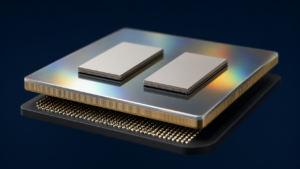
The shift toward chiplets is driven by the rapid growth of high-performance computing (HPC) needs in vehicles, specifically for intelligent cockpit solutions, (semi-)autonomous driving, driver-assistance systems, and complex AI workloads. While monolithic systems-on-chip (SoCs) were traditionally used, the increasing complexity of these systems has led to unsustainable development costs and timelines. Chiplet-based architectures offer an alternative by combining dies optimized for specific costs and functions.
Significance and Outlook
The ACIR serves as an open reference for a broad value chain, including OEMs, Tier-1 suppliers, semiconductor vendors, IP and software providers, and research organizations. By aligning the automotive and semiconductor ecosystems of Japan and Europe, the framework allows companies to focus on differentiated technologies while ensuring their components can be integrated into future multi-vendor systems. This strategic alignment follows the evolution of imec’s Automotive Chiplet Program (ACP) into the broader Autonomous Edge Chiplet Program (AECP).
Get our weekly technology intelligence — free
Receive an infographic that lets you judge at a glance whether each field’s analysis report is worth reading.
Subscribe Free — Weekly Tech Intelligence
By subscribing, you’ll receive Troy-Technical’s weekly technology intelligence newsletter.
- Your email and selected fields are used only to deliver the newsletter.
- We never share your information with third parties.
- You can unsubscribe anytime via the link in each email.
See our Privacy Policy for details.
Takes about a minute · Unsubscribe anytime