


Key Findings
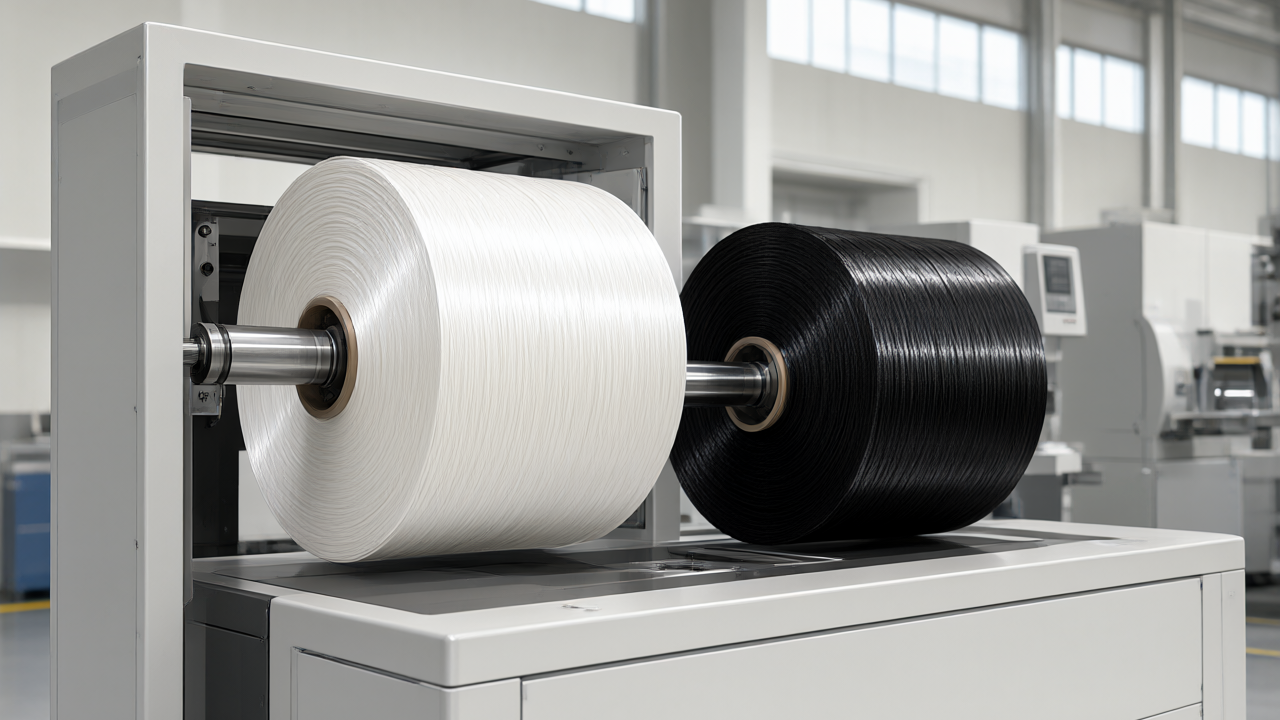
Mars Materials Inc. (MM) and North Carolina State University (NC State) have successfully converted Hoigen-C into a polymer and spun it directly into a carbon fiber precursor. Performance testing conducted by NC State’s Wilson College of Textiles confirms that the fiber meets tensile strength and modulus targets consistent with industry-standard polyacrylonitrile (PAN) precursors.
Technical Details
The production process utilizes captured pollution from industrial emitters as the raw material source. Funded by the Textile Innovation Engine, the research team demonstrated that Hoigen-C serves as a “drop-in” replacement, meaning it can be processed using existing commercial equipment without requiring manufacturers to invest in new machinery or alter current operations. Unlike traditional PAN manufacturing, the Hoigen-C route eliminates the use of petroleum and the production of hazardous byproducts such as hydrogen cyanide.
Background and Context
The carbon fiber supply chain currently faces vulnerabilities due to a decline in U.S. production, leaving the global supply dominated by foreign competitors. Traditional precursor manufacturing is characterized by high toxicity and complexity. By utilizing a sustainable production route that removes deadly chemicals, Mars Materials aims to reduce the complexity and cost of manufacturing while improving safety.
Significance and Outlook
Because the resulting textile is cleaner and free of toxic byproducts, it can be fine-tuned for a wide range of high-performance composite applications. Potential use cases include:
- Military aircraft and drones
- Combat vehicles
- Race cars and motorsports
- Cores for electric power grids
This advancement addresses the strategic dependence of American manufacturers on foreign raw materials by providing a domestic, safer, and more sustainable precursor source.
Get our weekly technology intelligence — free
Receive an infographic that lets you judge at a glance whether each field’s analysis report is worth reading.
Subscribe Free — Weekly Tech Intelligence
By subscribing, you’ll receive Troy-Technical’s weekly technology intelligence newsletter.
- Your email and selected fields are used only to deliver the newsletter.
- We never share your information with third parties.
- You can unsubscribe anytime via the link in each email.
See our Privacy Policy for details.
Takes about a minute · Unsubscribe anytime