Key Findings
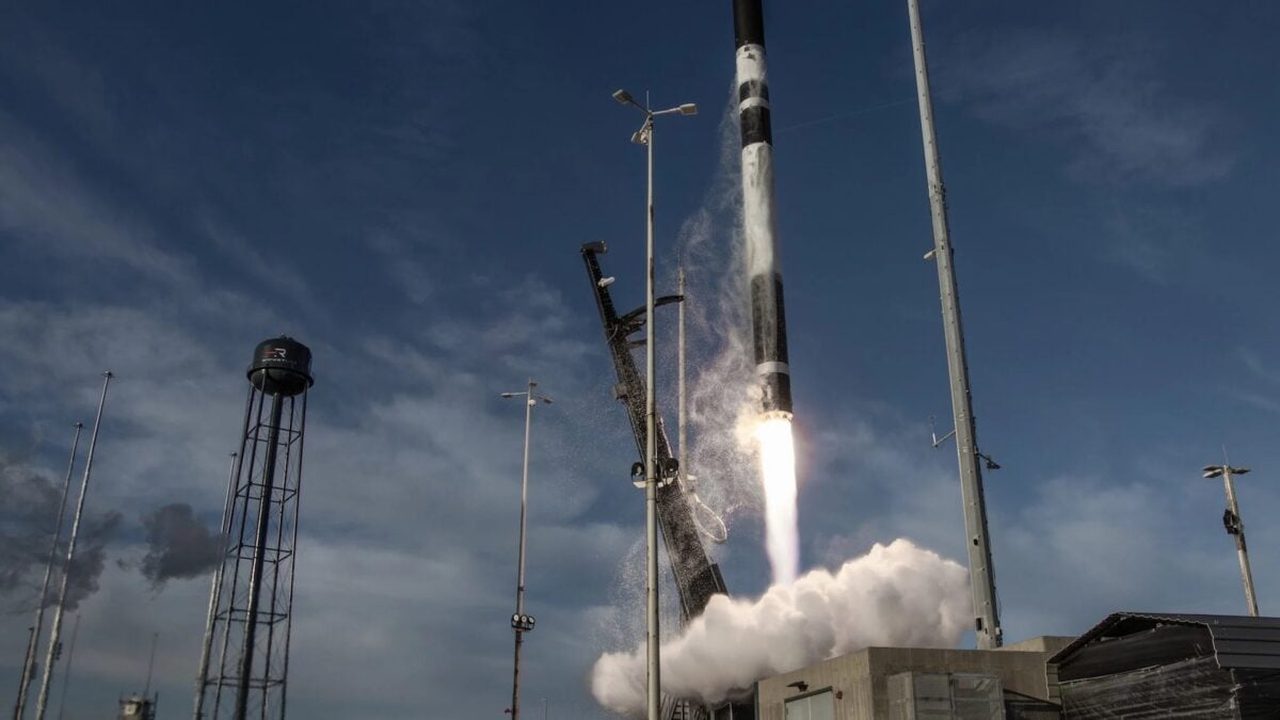
Rocket Lab launched its ‘Curveball’ mission on June 11, utilizing the Hypersonic Accelerator Suborbital Test Electron (HASTE) vehicle from NASA’s Wallops Flight Facility in Virginia. Despite HASTE being designed as a suborbital rocket for hypersonic research and government missions, the U.S. Space Force unexpectedly tracked the rocket in orbit several days post-launch. Rocket Lab has issued a statement clarifying that it ‘has never placed any object into orbit unintentionally,’ with the specific payload remaining undisclosed due to its government mission nature.
Technical / Clinical Details
The HASTE vehicle is a specialized suborbital variant of Rocket Lab’s Electron rocket, engineered to provide dedicated test capabilities for high-speed flight research and sensitive government payloads. Its typical operational profile involves launching a payload along a ballistic trajectory, reaching high altitudes, and then returning, without achieving orbital velocity. The U.S. Space Force’s tracking report indicating an orbital presence for the ‘Curveball’ mission suggests either an unexpected overperformance of the HASTE vehicle or a highly unconventional mission profile designed for classified objectives that skirt the line between suborbital and orbital capabilities. The lack of detailed information on the payload is consistent with its classified government nature.
Background & Context
Hypersonic technology development is a top strategic priority for major global powers, including the United States, given its implications for defense and advanced aerospace capabilities. Dedicated platforms like HASTE are crucial for testing novel materials, sensors, and control systems in the extreme environments of hypersonic flight. The incident highlights the cutting edge of rocket technology and the dynamic interplay between commercial space providers and national security agencies, where capabilities sometimes push beyond stated design parameters or conventional mission classifications.
Strategic Significance & Outlook
The unexpected orbital insertion of a vehicle designed for suborbital flight raises intriguing questions about HASTE’s true capabilities and the nature of the government mission. While Rocket Lab maintains a strong reputation for precision in small satellite launches, this event underscores the evolving landscape of space operations. Future investigations into this mission will likely shed more light on the circumstances, potentially revealing new insights into hypersonic flight testing methodologies or advanced orbital maneuver capabilities. This development could further solidify Rocket Lab’s position as a versatile partner for sensitive government and defense contracts, offering more than just routine satellite deployment, and potentially influencing future designs for both suborbital and orbital test platforms.
Source: https://gizmodo.com/did-rocket-lab-accidentally-launch-a-rocket-to-orbit-2000772440
Get our weekly technology intelligence — free
Receive an infographic that lets you judge at a glance whether each field’s analysis report is worth reading.
Subscribe Free — Weekly Tech Intelligence
By subscribing, you’ll receive Troy-Technical’s weekly technology intelligence newsletter.
- Your email and selected fields are used only to deliver the newsletter.
- We never share your information with third parties.
- You can unsubscribe anytime via the link in each email.
See our Privacy Policy for details.
Takes about a minute · Unsubscribe anytime