Key Findings
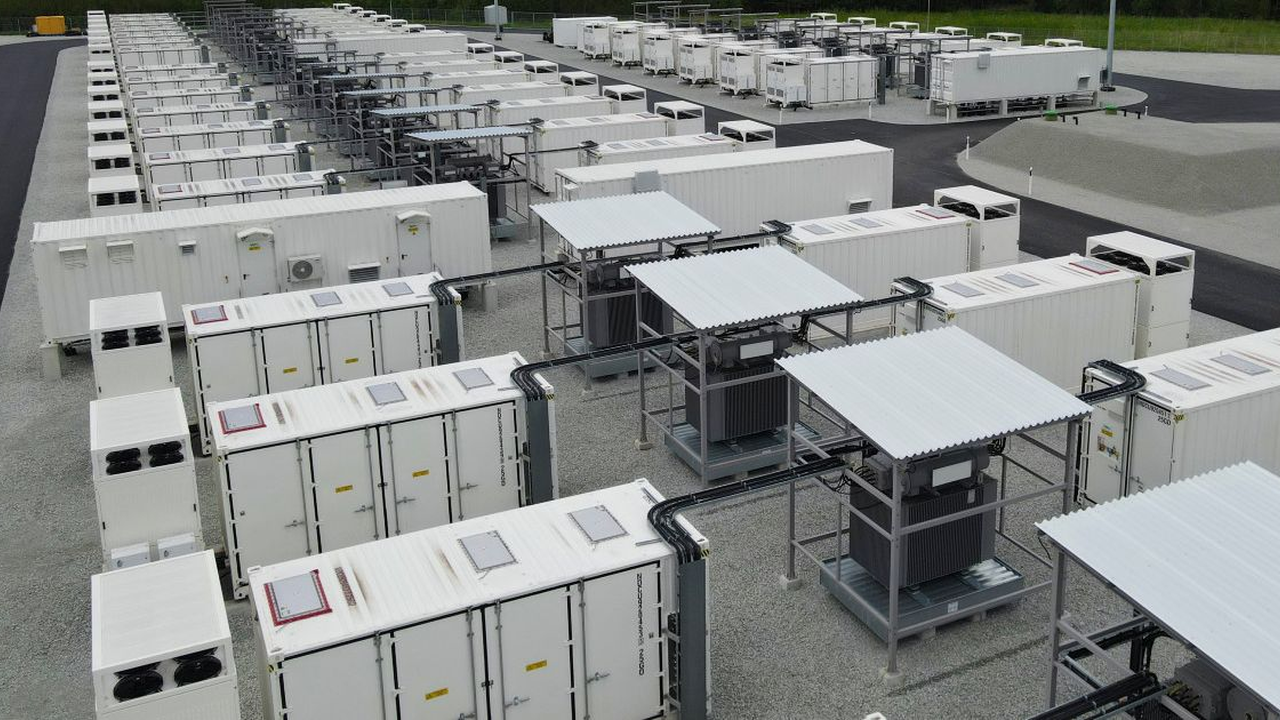
The United Kingdom has released new comprehensive guidance on Battery Energy Storage System (BESS) fire safety, introducing updated requirements for commercial and industrial (C&I) operators covering planning, procurement, commissioning, maintenance, and emergency response. This guidance explicitly prioritizes fire safety in BESS project design and operation, demanding detailed considerations for fire prevention and containment, especially for BESS installed within or in close proximity to buildings.
Technical & Policy Details
This new guidance stipulates a multi-faceted approach to mitigate BESS fire risks and minimize their impact if they occur:
- Planning and Design: Emphasis is placed on site selection, system configuration, cell-level protection against thermal runaway propagation, and compartmentation at module and rack levels.
- Considerations for In-Building Installations: For BESS installations within or near buildings, the following elements are mandatory:
- Escape Routes: Ensuring clear and accessible escape routes for building occupants and workers in case of fire.
- Compartmentation: Establishing fire compartments to prevent the spread of fire from the BESS to other parts of the building or to other modules within the BESS.
- Smoke and Gas Management: Designing ventilation systems and exhaust pathways to control and vent smoke and toxic gases.
- Firefighter Access: Ensuring adequate access routes and sufficient space for firefighters to safely and efficiently conduct suppression operations.
- Emergency Response: Mandatory installation of fire detection systems, automatic suppression systems, and emergency shutdown protocols, along with the development of specific emergency response plans in coordination with local fire and rescue services.
- Projects Exceeding 1 MWh: For BESS projects exceeding 1 MWh in England, early and continuous engagement with local fire and rescue services is strongly recommended to ensure appropriate fire safety measures are implemented.
These requirements are designed to address new risks associated with the proliferation of BESS.
Background & Industry Context
The UK is accelerating the deployment of BESS to meet its renewable energy targets. However, past BESS fire incidents reported globally have raised concerns about their safety. Particularly, thermal runaway and the emission of toxic gases can pose serious threats to life and property. This new guidance aims to systematically manage these risks and elevate overall industry safety standards. While these regulations introduce new costs and complexities for C&I operators, they are an essential step towards enhancing the industry’s reliability.
Strategic Significance & Outlook
The introduction of this new BESS fire safety guidance will significantly improve the safety of energy storage infrastructure in the UK. C&I operators will need to review their design, operation, and maintenance processes to comply with these requirements, which in turn will lead to the provision of more reliable BESS solutions to the market. The UK’s initiative could set an international precedent for BESS safety standards, potentially serving as a model for other countries considering similar regulations. A dual approach of safety and efficiency is critical for achieving a sustainable energy transition.
Source: https://electricalreview.co.uk/posts/bess-fire-safety-uk-ci-operators
Get our weekly technology intelligence — free
Receive an infographic that lets you judge at a glance whether each field’s analysis report is worth reading.
Subscribe Free — Weekly Tech Intelligence
By subscribing, you’ll receive Troy-Technical’s weekly technology intelligence newsletter.
- Your email and selected fields are used only to deliver the newsletter.
- We never share your information with third parties.
- You can unsubscribe anytime via the link in each email.
See our Privacy Policy for details.
Takes about a minute · Unsubscribe anytime